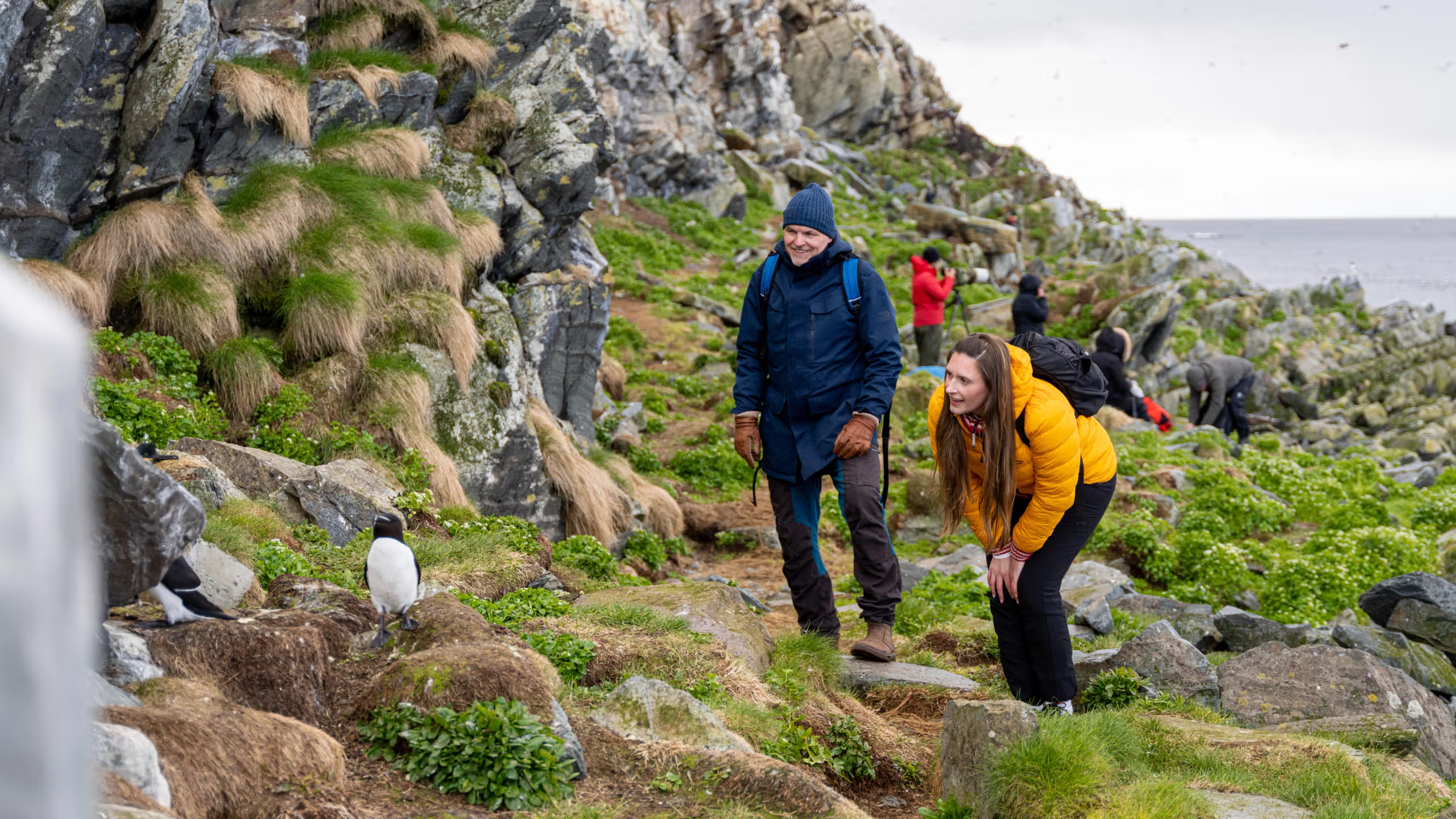
Il birdwatching è molto praticato in Norvegia, dove ci sono tanti luoghi fantastici per l’avvistamento degli uccelli. Osserva le maestose aquile di mare con un tour guidato, fotografa le graziose pulcinella di mare, e trova dove andare con i consigli di un esperto.
Fare birdwatching
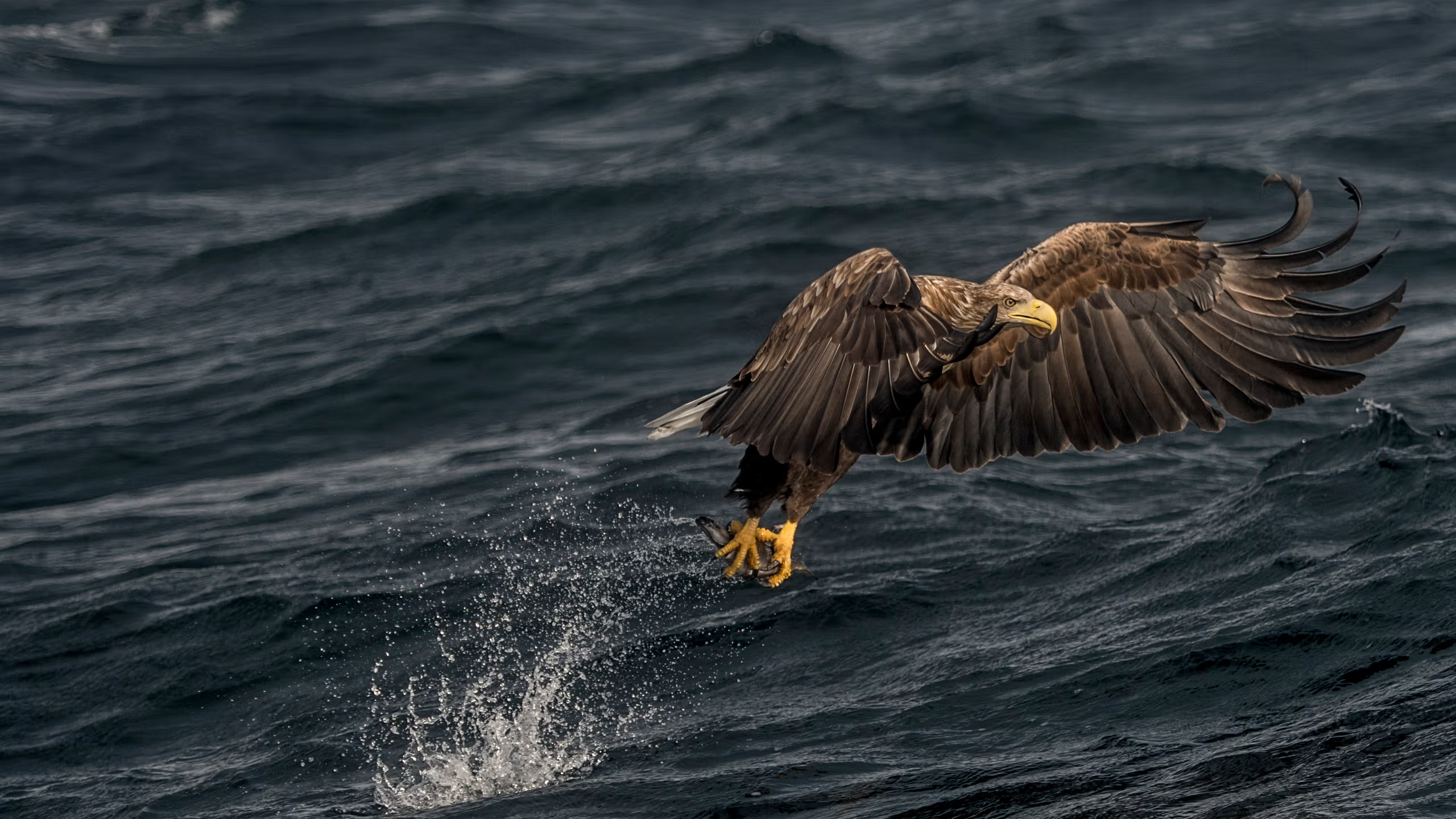
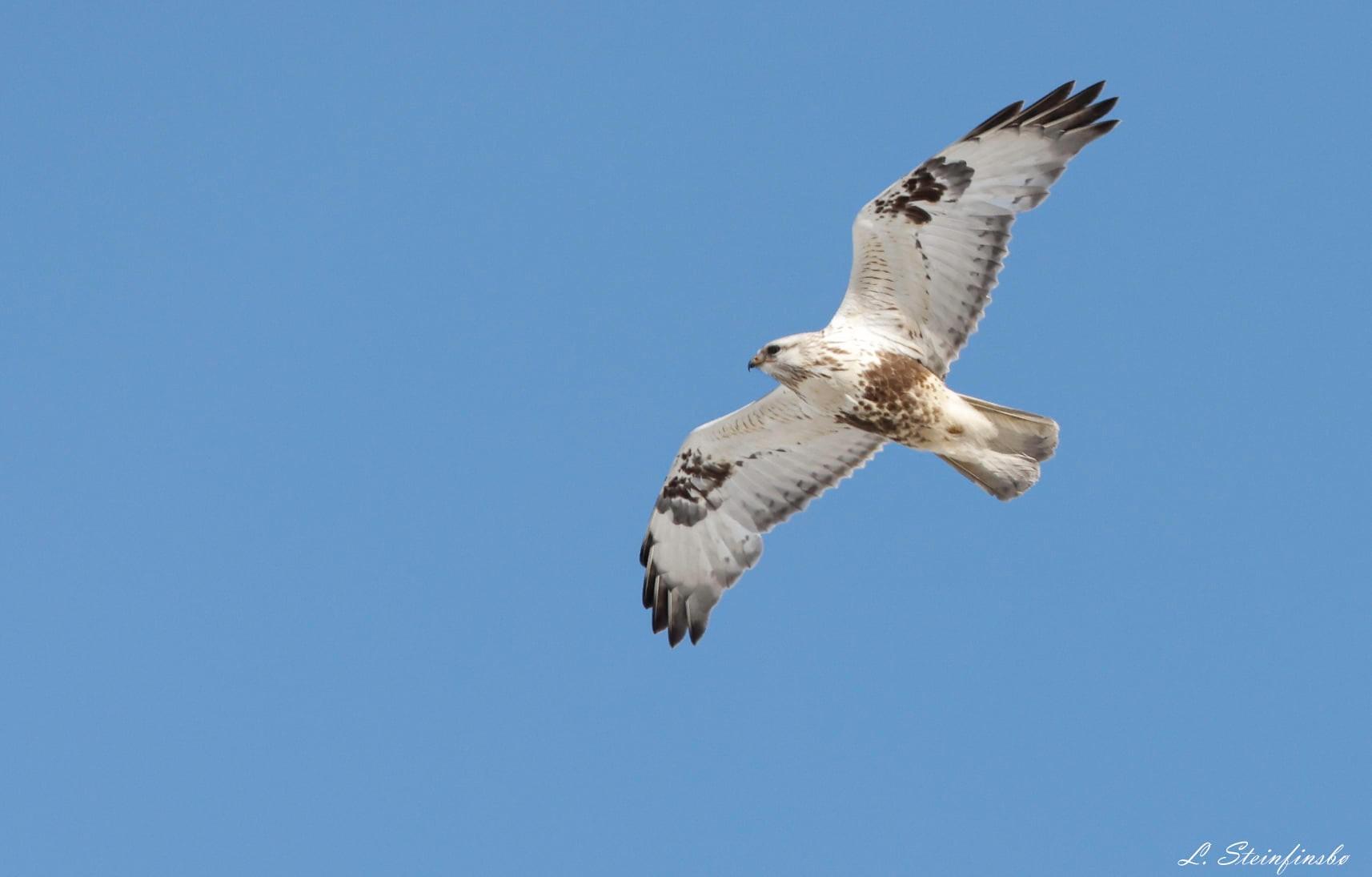
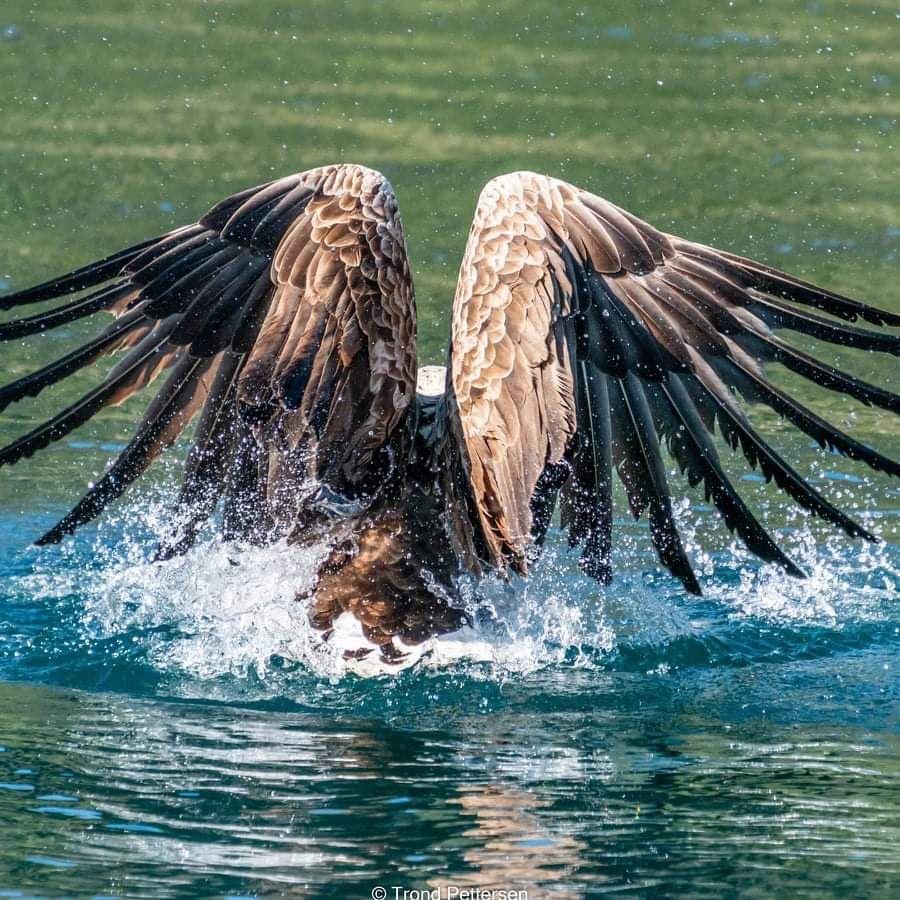
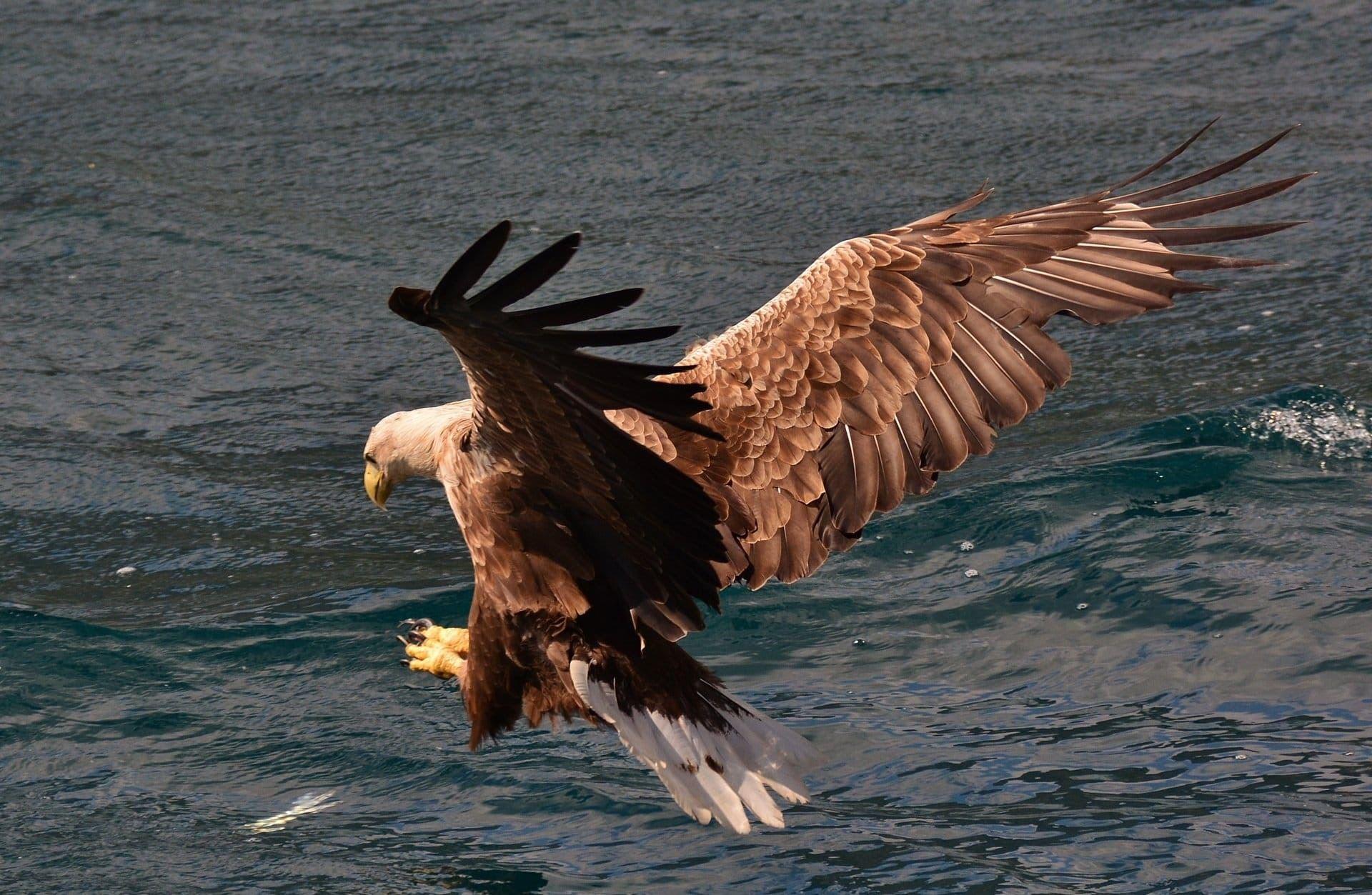
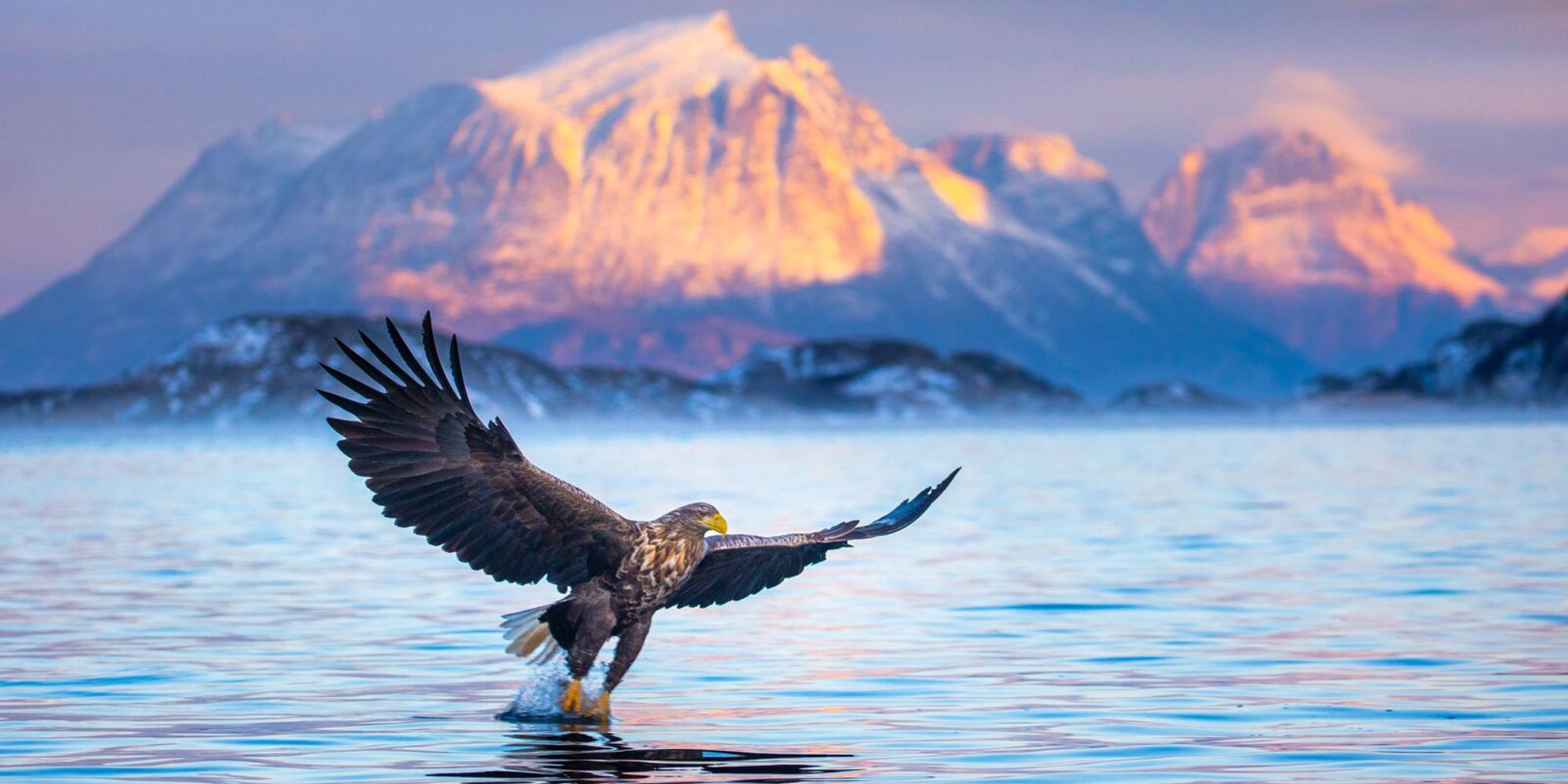
Scatta una foto a una maestosa aquila di mare mentre si tuffa per catturare la sua preda.
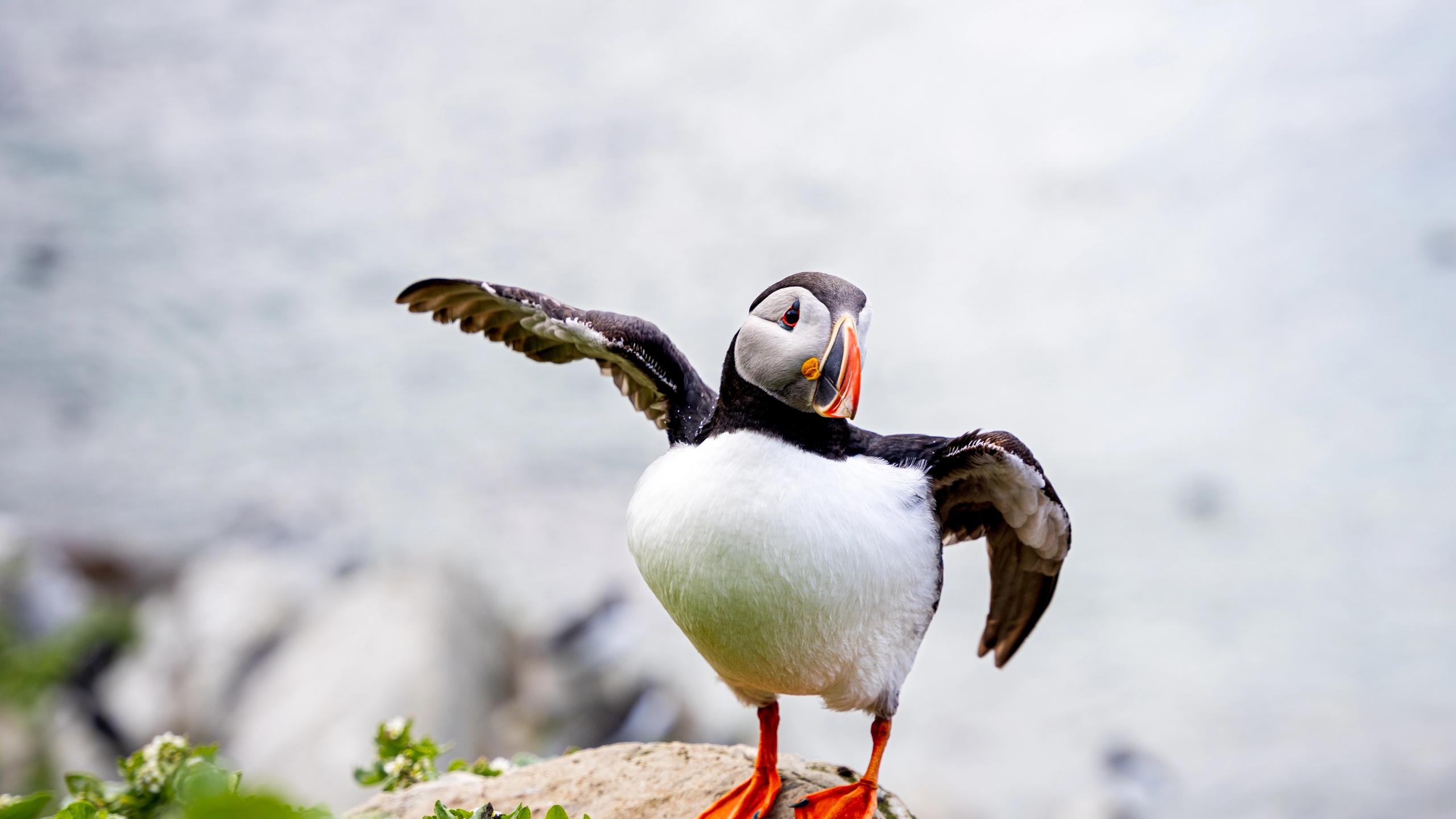
E ammira le grandi colonie di pulcinella di mare quando arrivano sulla costa per riprodursi.
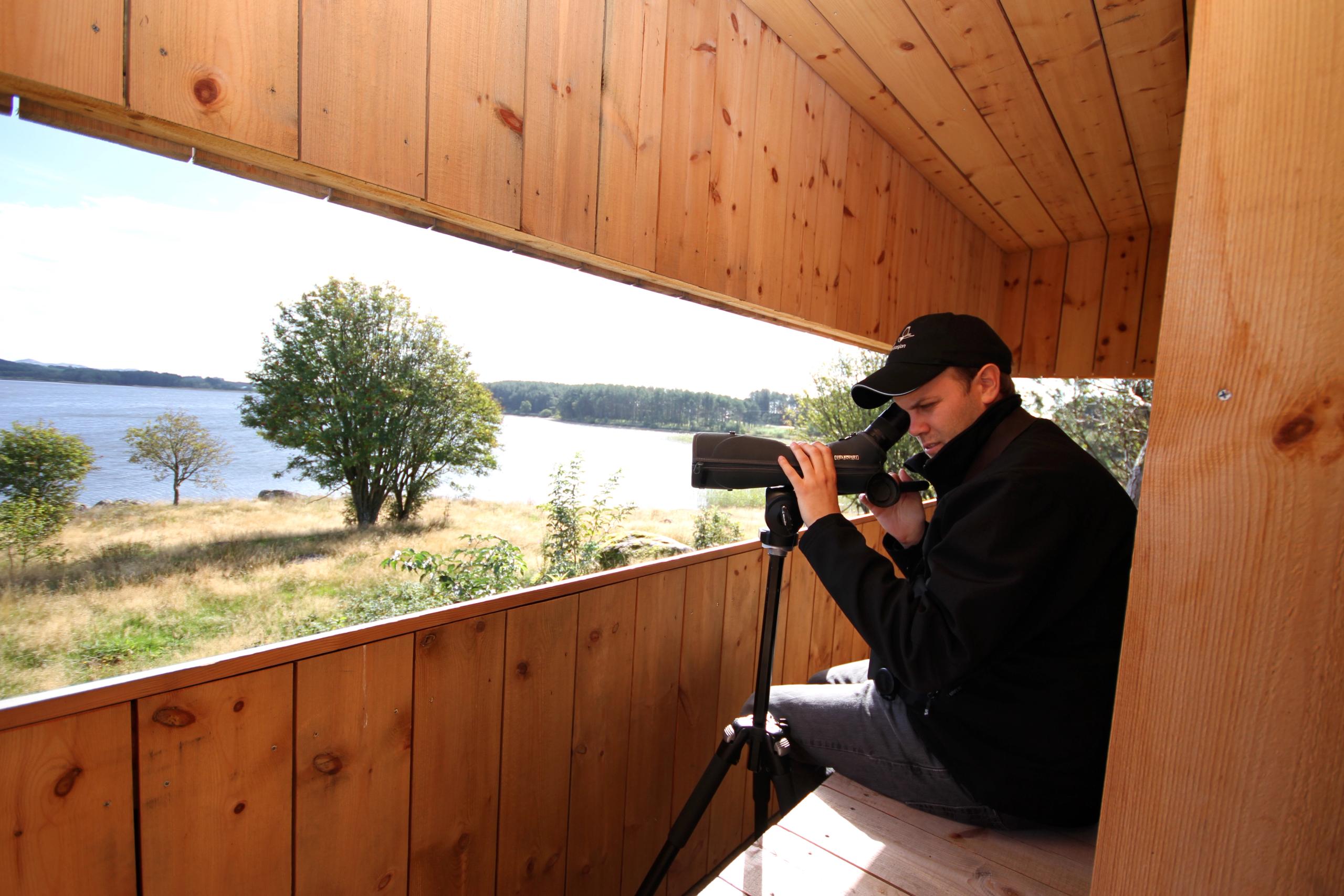
Che tu sia un appassionato birdwatcher, un fotografo naturalista, o semplicemente ti piaccia osservare gli uccelli liberi nella natura, la Norvegia è un paradiso!
Scopri la ricca fauna
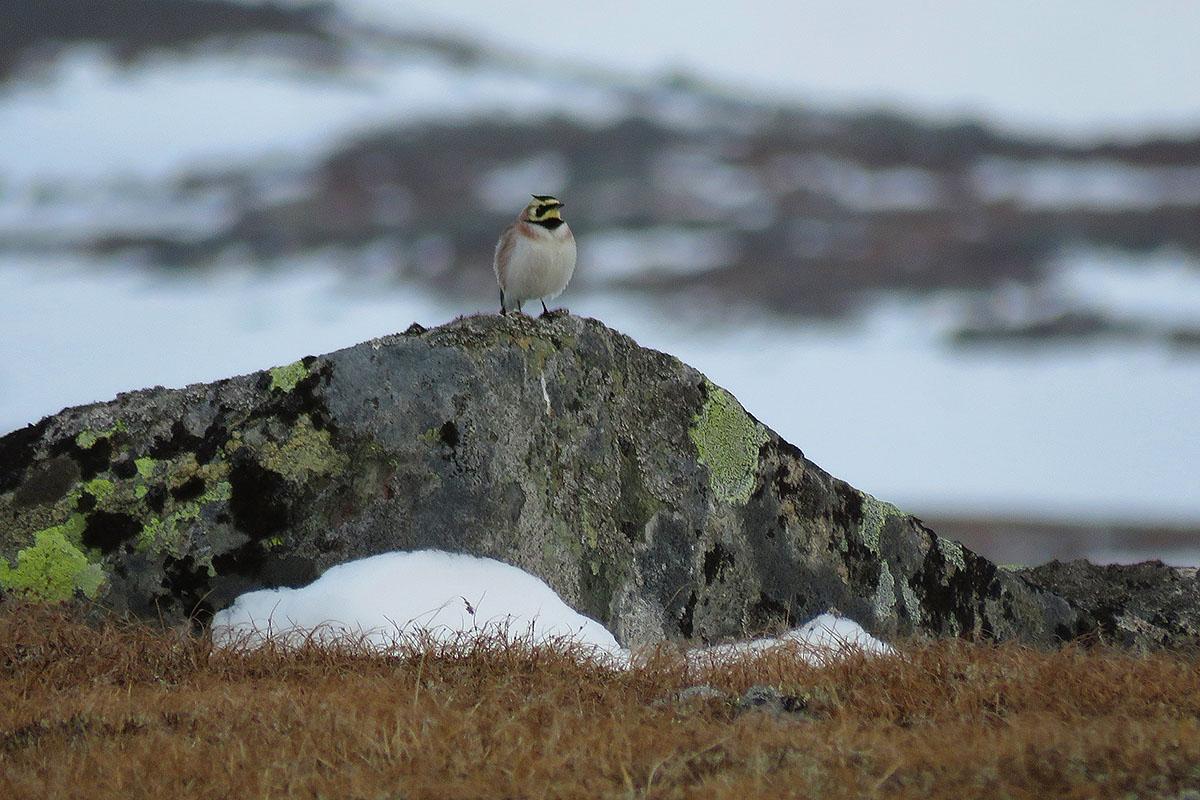
Delle circa 9.000 specie avicole del mondo circa 300 hanno il loro habitat naturale in Norvegia e inoltre, in certi luoghi e in certi periodi dell’anno, si possono avvistare altri 200 uccelli rari.
Le aquile di mare si possono osservare lungo tutta la costa, dalla Norvegia meridionale fino a Varanger nella Norvegia settentrionale, e ci sono tanti entusiasmanti tour guidati per avvistarle a cui puoi partecipare.
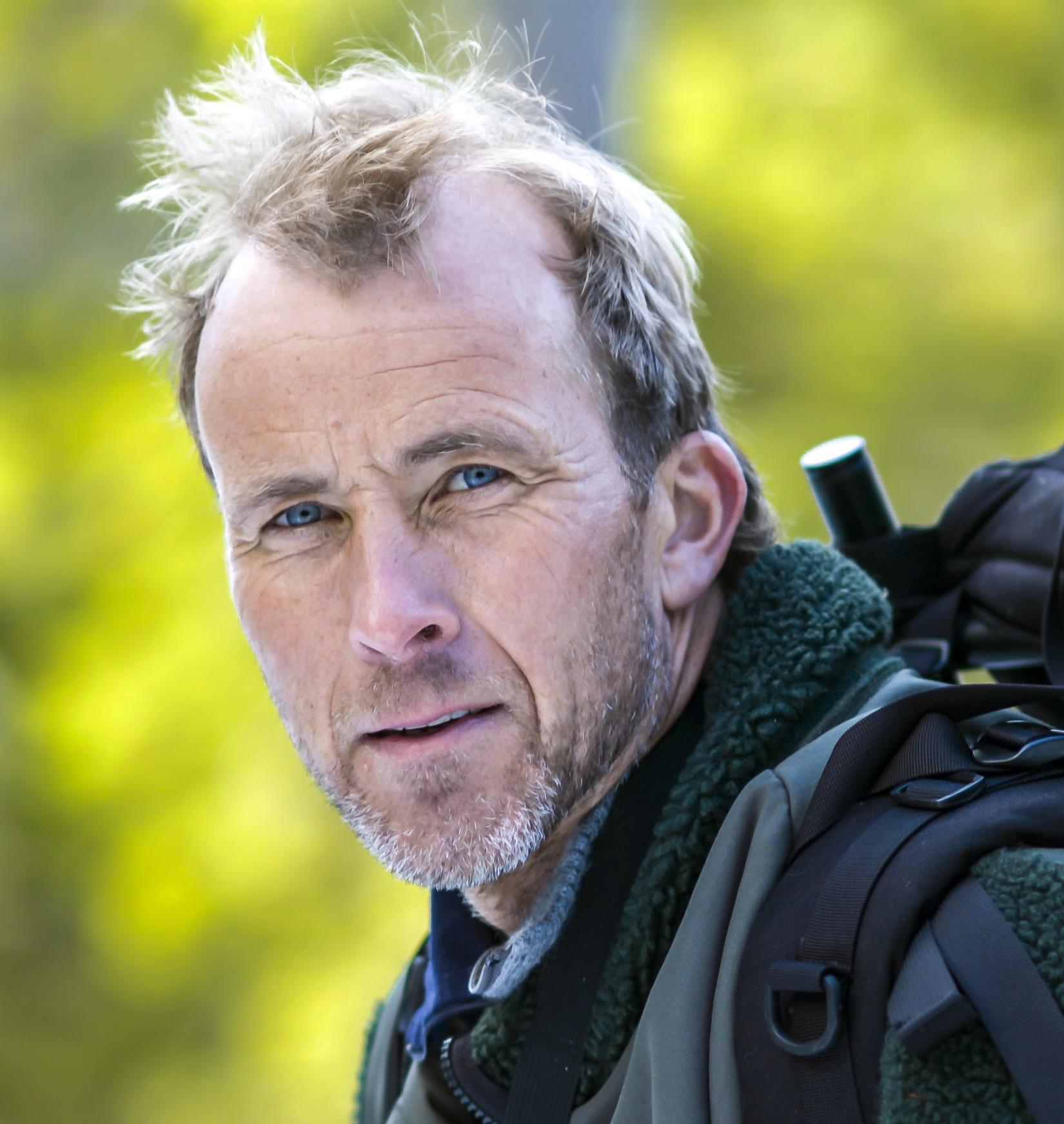
“Il birdwatching e i giochi all’aperto sul tuo cellulare come Pokémon GO hanno in fondo la stessa forza trainante, che attira chi ama esplorare”, dice Bjørn Olav Tveit, autore di A Birdwatcher’s Guide to Norway.
“Il piacere di fare birdwatching sta nell’esplorare un ambiente naturale che altrimenti ti perderesti. Più prendi gusto a questo hobby, più scopri”, afferma. “Localizzare e trovare una specie rara è come prendere all’amo una grossa trota. È tutta una questione di tattica, conoscenza e resistenza.”
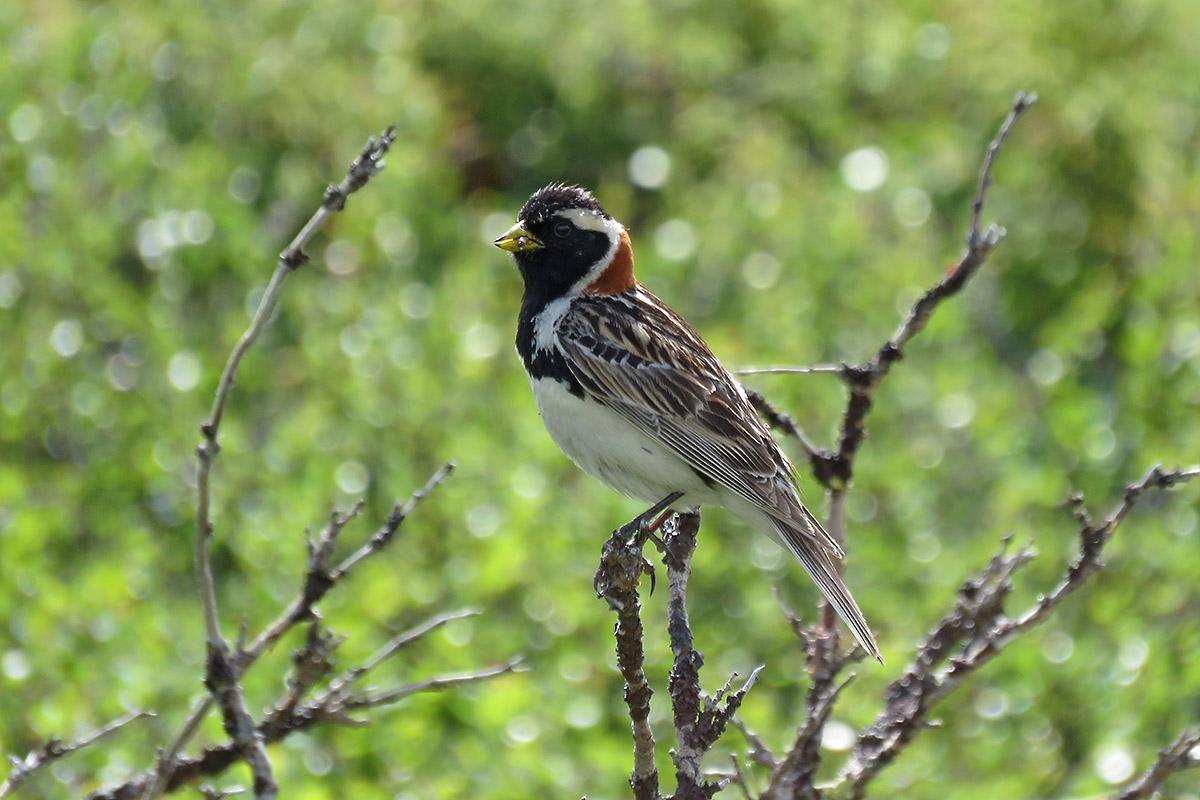
“Prendi ad esempio il Luì boreale. Canta solo per due settimane a fine giugno, nella densa foresta di betulle che circonda la bellissima chiesa di Neiden, nella regione del Finnmark vicino al confine russo. Per il resto dell’anno questa specie è praticamente impossibile da localizzare.”
“Vocalmente il canto è piuttosto monotono e noioso”, ammette Bjørn Olav. “Ma il fascino sta nel tempismo, nel luogo e nell’esperienza di una natura intatta. Specialmente quando sai che quello è l’unico posto in Europa all’infuori della Siberia dove puoi aspettarti di trovare questo piccolo uccello canoro del nord.”
Rispetta l’ambiente
I birdwatcher sia norvegesi che stranieri sono perlopiù persone educate che ci tengono a mostrare rispetto per l’ambiente.
“Esiste un codice di comportamento comune non scritto - rispettare la natura e gli animali”, dice Bjørn Olav.
Purtroppo capita che vengano depredati i nidi. Ma badate: “gli appassionati birdwatcher e gli abitanti del posto di solito prestano attenzione ed eventualmente chiamano la polizia se vedono persone o veicoli sospetti vicino ad esempio al nido di un girfalco protetto”, avverte Olav.
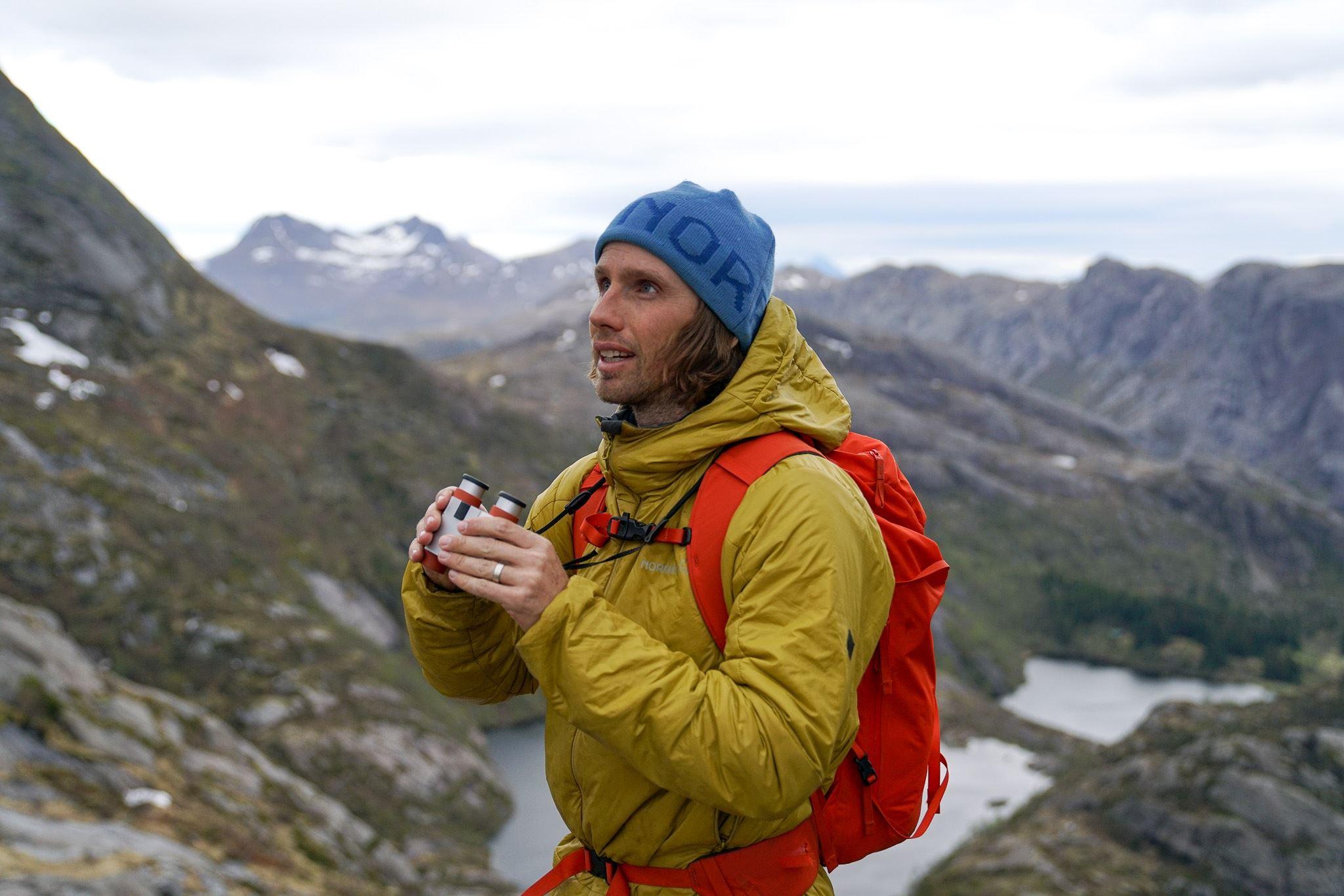
“L’osservazione degli uccelli è positiva per l’ambiente perché fa prendere coscienza a più persone della fragilità della natura e della rarità dei suoi animali selvatici”, continua e aggiunge: “Ad esempio i birdwatcher mantengono una distanza appropriata usando il cellulare per fare fotografie attraverso il binocolo. Puoi ottenere perfino una buona registrazione dei suoni da una distanza considerevole.”
Se vuoi provare anche tu a osservare gli uccelli puoi scaricare delle app illustrate come “Birds of Northern Europe” e “Collins Bird Guide”, che includono registrazioni dei canti e dei richiami di tutte le specie che puoi sperare di incontrare.
Birdwatcher da tutta la Norvegia riportano le loro osservazioni più recenti sul sito Artsobservasjoner.no.
Dove osservare gli uccelli selvatici
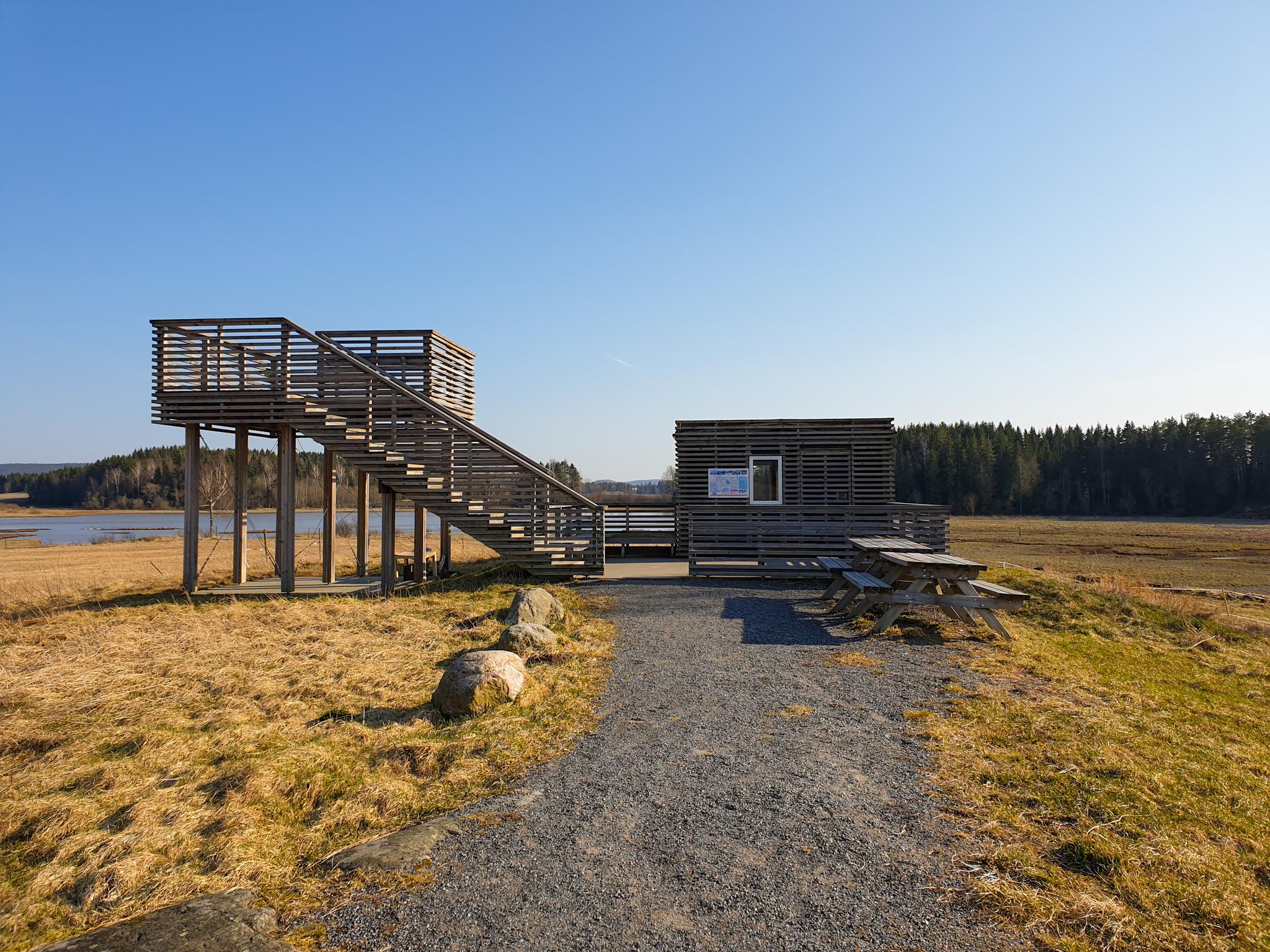
Prepara l’attrezzatura, vai sul posto, sii paziente e resta in ascolto. Ecco alcune aree fantastiche dove potresti andare per fare birdwatching in Norvegia.
Una lunghissima costa
La costa della Norvegia ospita le famosissime colonie di uccelli marini. Isole come Runde vicino a Ålesund, Røst alle Lofoten e Lovund sulla costa dello Helgeland, sono quasi bibliche nel mondo ornitologico norvegese e includono enormi colonie di pulcinella di mare (Fratercula arctica).
La penisola di Varanger nel Finnmark è indubbiamente una delle migliori aree in Europa per l’osservazione degli uccelli. Qui si trovano specie propriamente artiche come l’Edredone di Steller (Polysticta stelleri), il Re degli edredoni (Somateria spectabilis), l’Uria di Brünnich (Uria lomvia) e la Pispola golarossa (Anthus cervinus), ma anche specie scandinave come l’Ulula (Surnia ulula), il Picchio tridattilo (Picoides tridactylus), la Cincia siberiana (Poecile cincta), la Ghiandaia siberiana (Perisoreus infaustus) e l’Allocco di Lapponia (Strix nebulosa).
La Norvegia settentrionale ospita anche la maggior popolazione in Europa di aquile di mare coda bianca. Da qui le specie si sono diffuse lungo quasi tutto il litorale norvegese e le aquile della Norvegia sono perfino state portate in Scozia per ripopolarla con questo maestoso uccello.
Anche le idilliache isole di Smøla, nella Norvegia dei fiordi, sono una meta fantastica per avvistare le aquile. Si dice che questa zona abbia una delle popolazioni di aquile di mare più consistenti al mondo.
Nel Trøndelag dovresti visitare Ørlandet, sulla costa di fronte a Trondheim. Quest’area è una delle zone umide più importanti della Norvegia e un punto di sosta naturale per gli uccelli migratori. Più all’interno, nel fiordo di Trondheim, l’isola di Tautra è un luogo ideale per il birdwatching, dove scoprire oltre 269 specie diverse.
Birdwatching in periferia
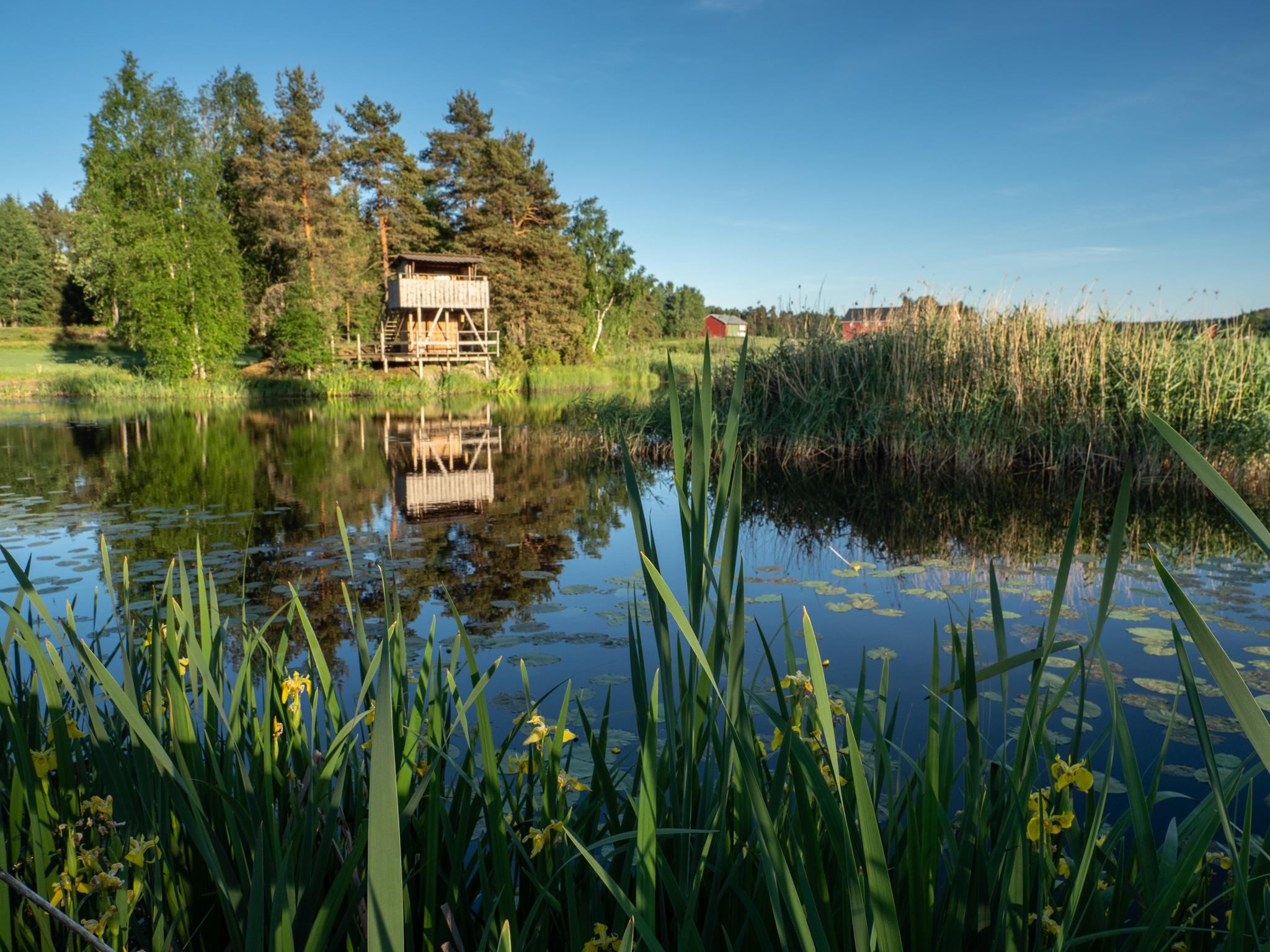
Il lago Østensjøvannet, pochi chilometri a sud-est del centro di Oslo, è un lago poco profondo ed eutrofico che presenta un habitat non comune in Norvegia. A ovest della città si trova una riserva naturale e osservatorio avifaunistico a Fornebu. La seconda città della Norvegia, Bergen, è nota per il suo habitat montano e le foreste di conifere, che si possono esplorare senza neppure lasciare la città.
Fare birdwatching
Trova il luogo perfetto per osservare le specie di uccelli che preferisci o partecipa a un tour guidato di birdwatching.
 PrenotaLongyearbyen
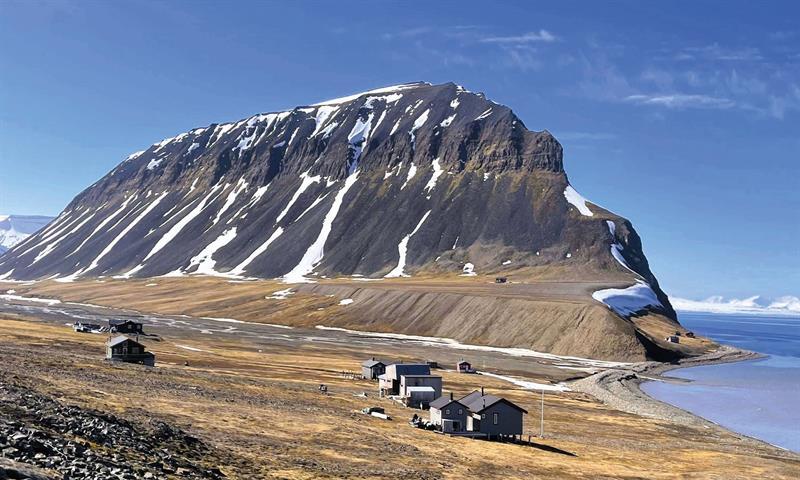
Bird Spotting Excursion, followed by Arctic BBQ - Spitzbergen Adventures
The summer season is owned by the birds. During those weeks we have a lot of bird species coming to Svalbard. They are all so wonderfull and deserve a special focus. Join us on a tour which puts the spotlight on those amazing creatures. If you are an ornithologist with special interests let us know before the tour. If you are curious about birds and would like to spend your time looking at them, our guide will give you more information. PrenotaMyre
Seal and bird safari - Seasafari Øksnes
Between June 15th and August 31st we get a horde of seabirds arriving at Anda lighthouse and the area outside Stø and Nyksund to nest. With steep mountain sides, beautiful views and a coast full of culture and history, this is an experience that you should make. Do the trip and experience the bustling birdlife on the outside with RIB! PrenotaOppdal
Bird watching
The wilderness around Oppdal is known for its ecological diversity. With access to ancient forests, wetlands, and high mountains, it is possible to find many bird species within a relatively concentrated area. Go on a bird safari with experienced guides from Oppdal Safari. WOOD GROUSE - IN SPRING The black grouse is often described as “the most beautiful event of spring.” It brings a unique sense of tranquility to wander into the wood grouse forest in the afternoon while enjoying the smells and silence. The forest slowly comes to life after a long winter. After setting up the tent and as dusk falls, you might occasionally hear the wood grouse flying or walking to settle in the trees before descending to the arena the next morning to fight for their place. As soon as the sun begins to rise, the famous clicking and scraping sounds start. Naturally, you wake up to the commotion of the birds around the photo hide. It takes a couple of hours before it's light enough to take pictures, but time flies as these large birds run around the tent displaying their magnificence. The guide will take you to the tent, provide information, and set everything up; you will have the night to yourselves. The guide returns the next morning around nine to pick you up. By then, the birds usually have left the display area and returned to their feeding grounds. BLACK GROUSE - IN SPRING Black grouses is shown on Oppdal’s bogs throughout April and the first half of May, making them a popular sight and photo subject. It's not uncommon for black grouse to stumble over the tent guylines, sometimes coming within the camera's focus range! We head to the show area in the evening and set up the hide. Often, owls can be heard hooting on the bog's edge as you cozy up in your sleeping bag. The black grouse arrive at the show area as soon as night turns into day. The bog mounds around the tent become bustling with activity. The guide will take you to the hide and set up the camouflage. You will spend the night and morning with the blackcocks before the guide returns to pick you up at nine. BIRDWATCHING - IN SUMMER There are no guarantees on these birdwatching tours, but the guide will spend a lot of time early in the season mapping the occurrences as accurately as possible. If you wish to visit on a specific date, the guide can suggest which species you might see during your stay in Oppdal. If you come for one or more specific species, the guide can provide a setup indicating which species can be found at given times. Contact us for a pleasant birdwatching experience! For all tours: Clothing/equipment: Warm and preferably camouflaged clothing, gloves, hat, waterproof footwear, camera and tripod, packed lunch. Duration: Varies. Meeting point: Oppdal train station or another agreed location. Suitable for: Birdwatchers, photographers, families, groups of friends, companies, adventure seekers. Max number of participants: 3-15, depending on which birds you want to observe. PrenotaLongyearbyen
Meet our Russian comarades in the west - Barentsburg -Better Moments
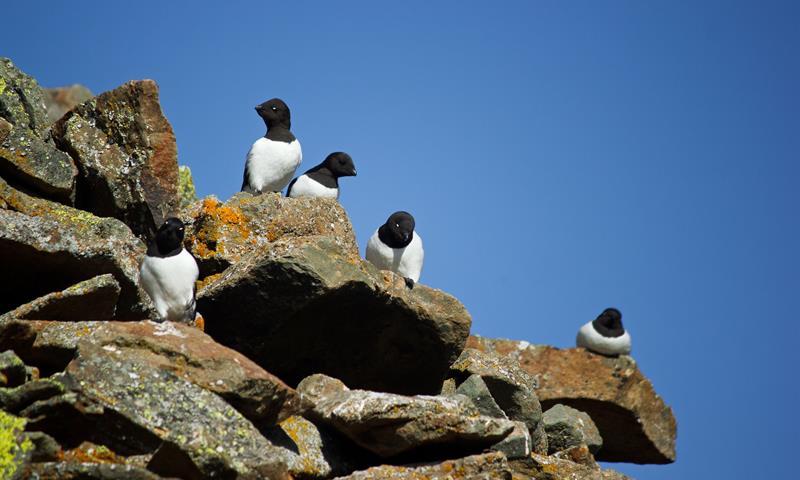
Better Moments will offer you a chance to see Svalbard's biggest bird event during the summer – The bird jumping. For just a few days in July, the chicks will jump from their nests on the huge bird cliff Alkhorne and we will be there to see them spread their wings for the first time ever.

Safari alle aquile
Ammira da vicino le maestose aquile di mare con un tour guidato in Norvegia.
 PrenotaSvolvær
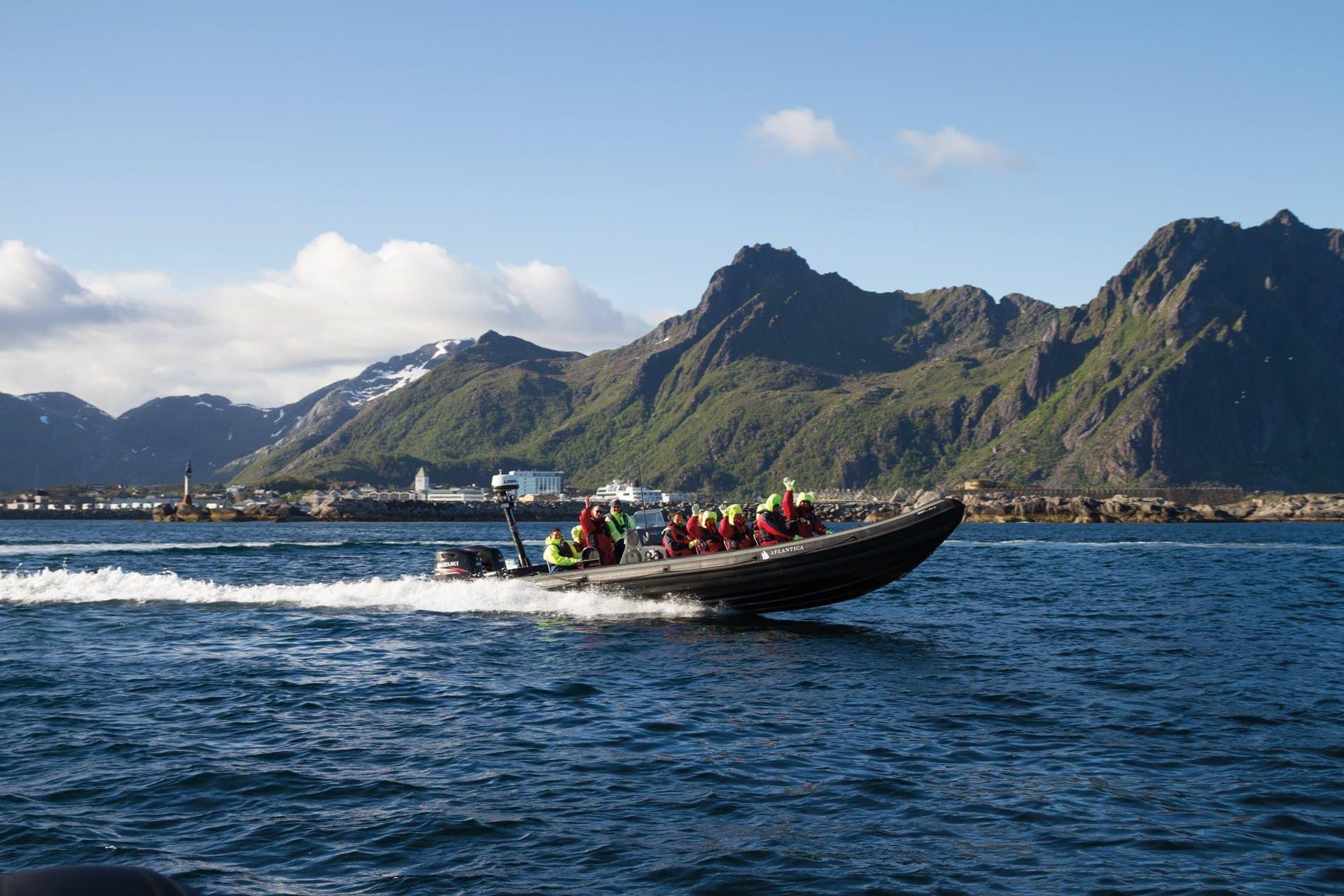
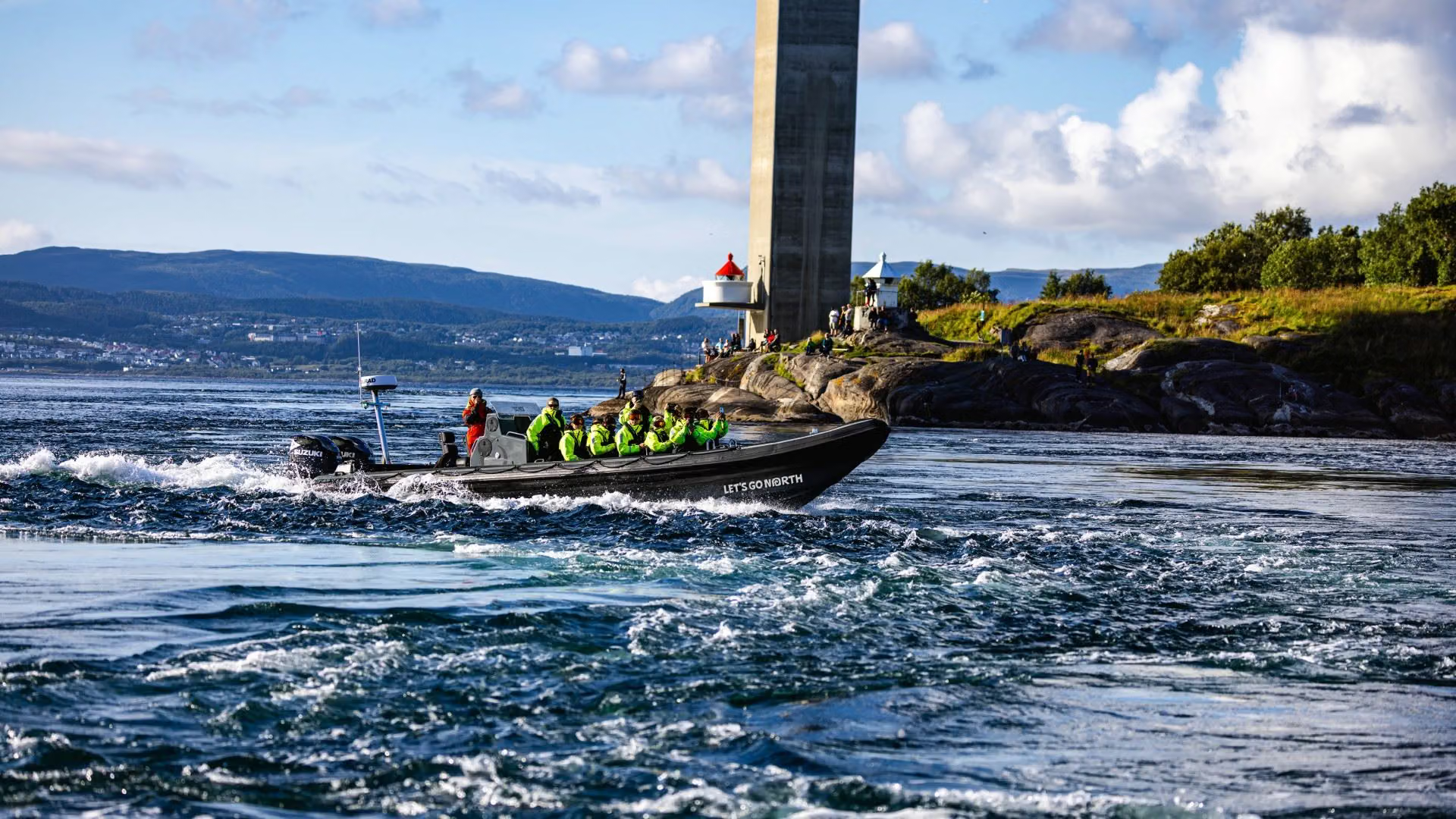
Trollfjord & Sea Eagle RIB Safari - Lofoten Explorer
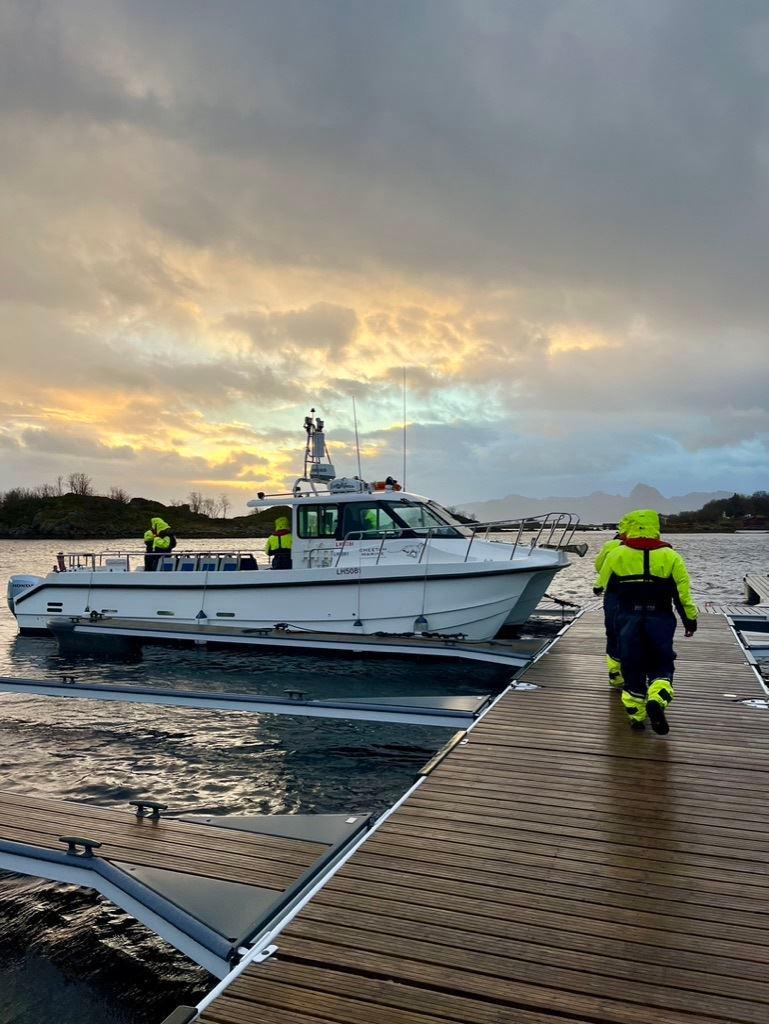
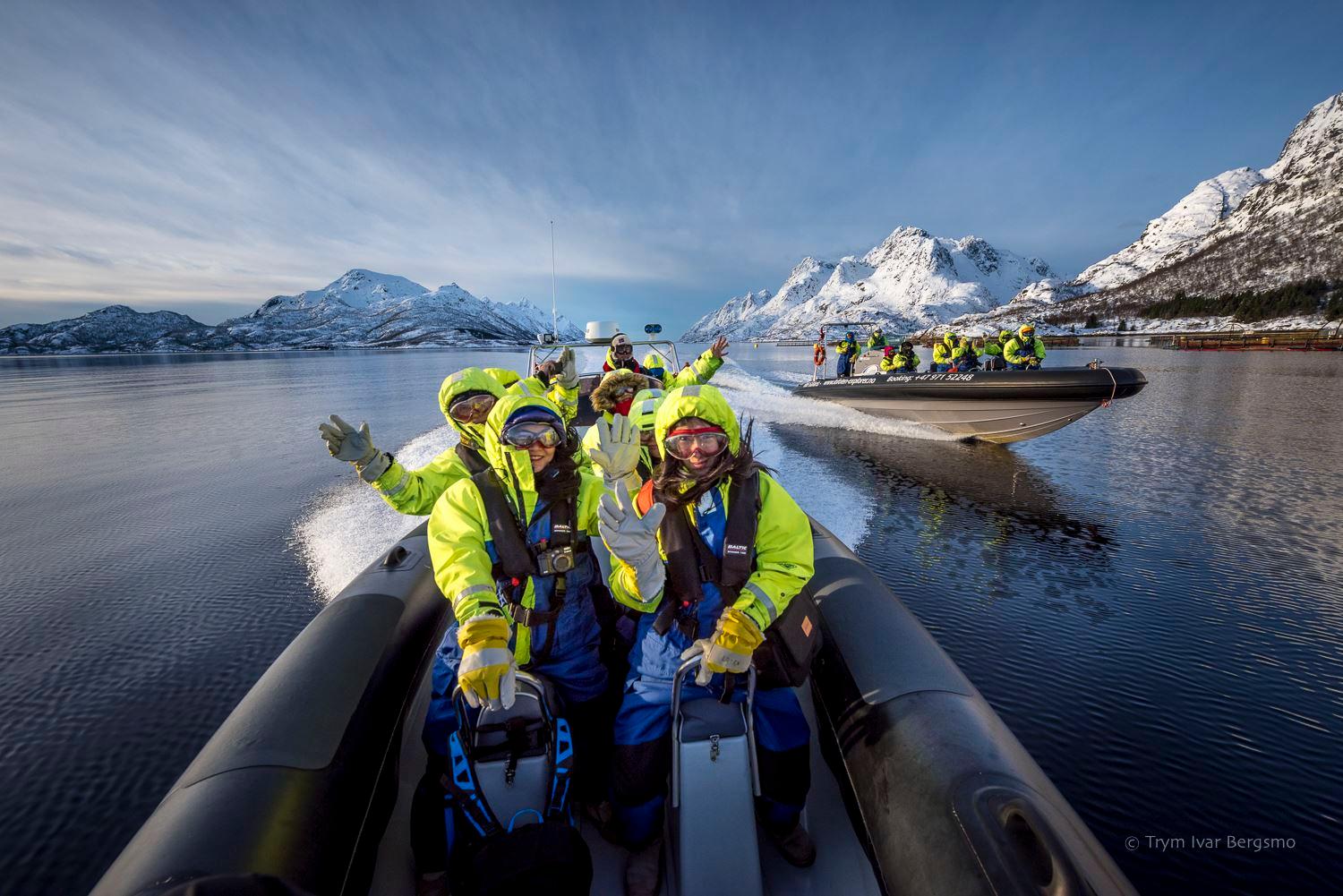
Explore Lofoten along the coast with us. We take you safely to the magical Trollfjord, where the mountains are stretching 1000 meters high. On the way you will get a chance to meet the sea eagles, hopefully just a few meters from the boat. We guarantee an experience close to the elements. This is a 2 hours tour that fits the whole family.
Trova l’ispirazione
Approfitta delle migliori offerte
Ecco una selezione di operatori per organizzare al meglio il tuo viaggio.
 Brim ExplorerTour silenziosi sui fiordi a bordo di premiati catamarani elettrici a Oslo, Tromsø, alle Lofoten e alle Svalbard.
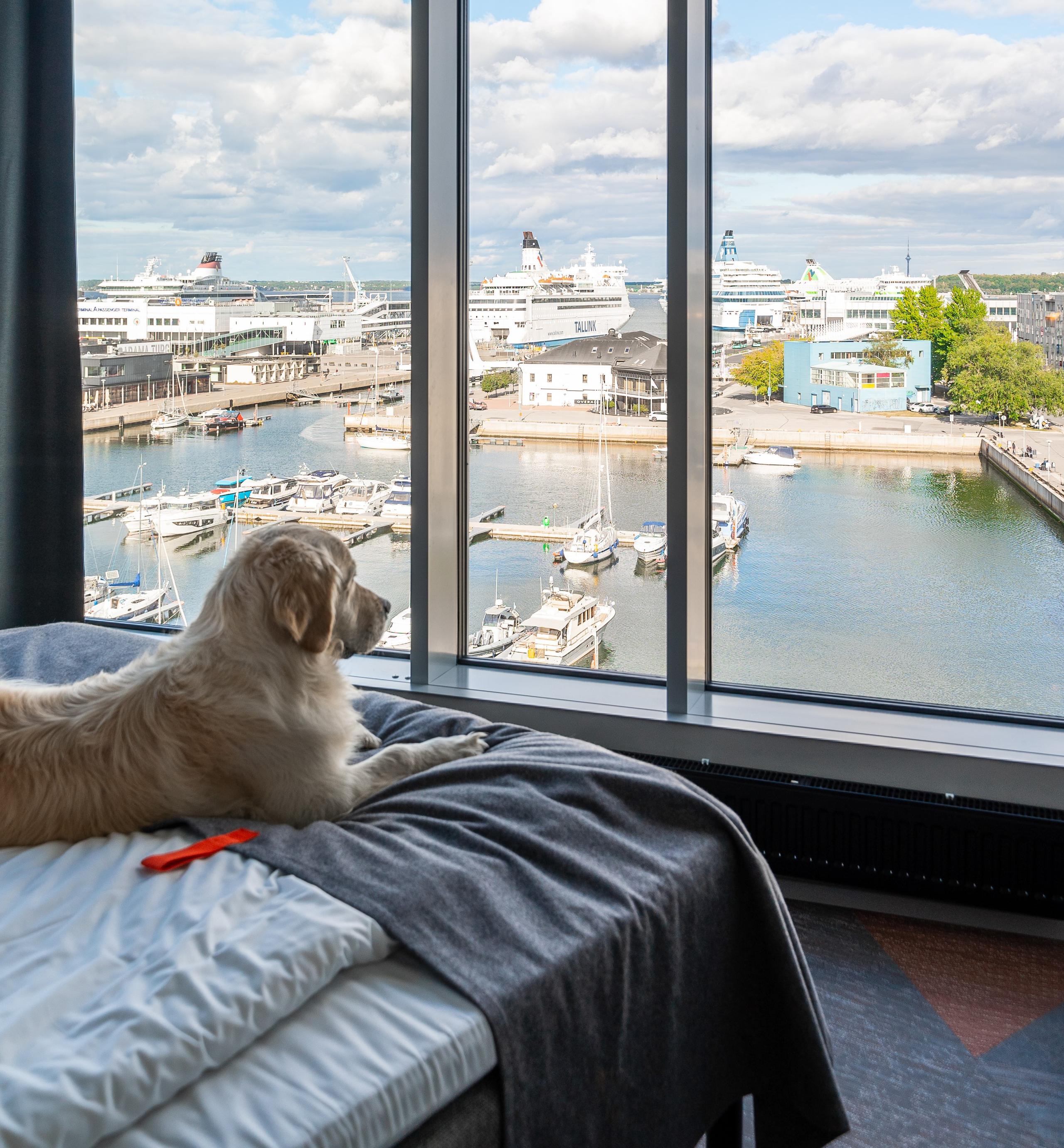 CityboxHotel moderni e convenienti in posizione centrale a Oslo, Bergen e Kristiansand.
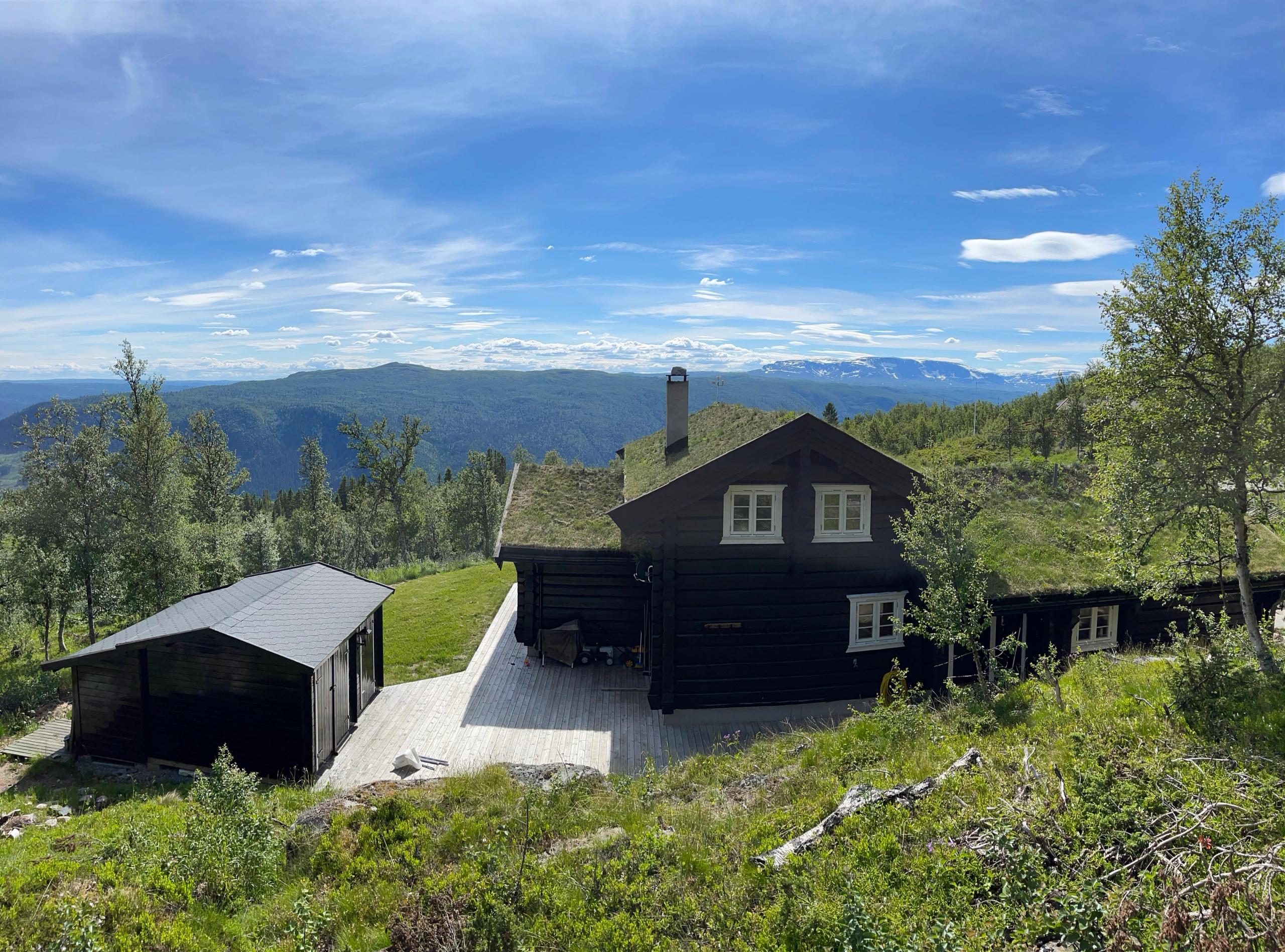 NorgesbookingBoka en perfekt stuga bland Norges fjordar, fjäll och dalar.
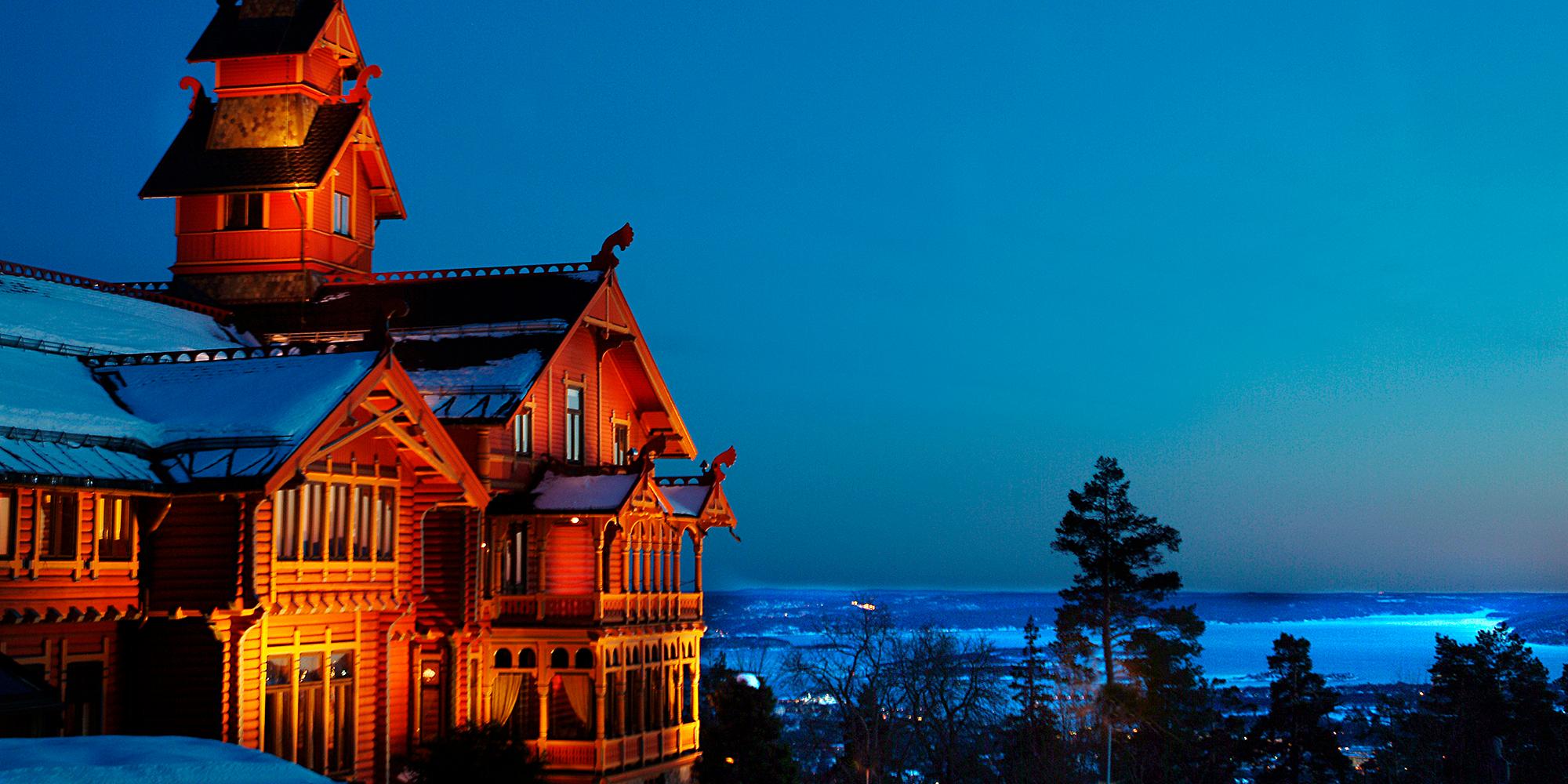 Scandic HotelsSperimenta il meglio dell’ospitalità degli hotel nordici in più di 90 hotel in tutta la Norvegia. Sono disponibili offerte speciali.
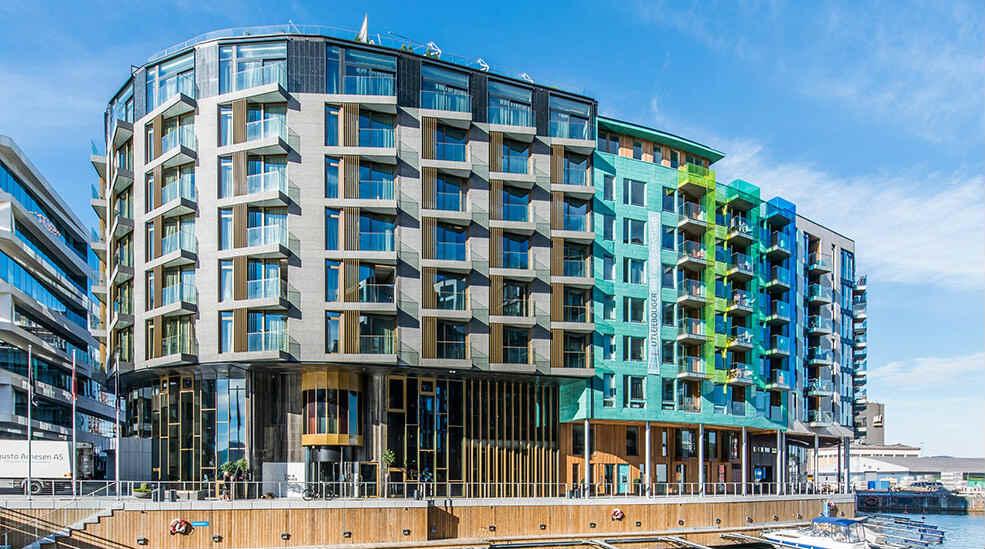 StrawberryUna compagnia alberghiera diversa! Cerca le nostre fantastiche offerte per il weekend in oltre 100 hotel in Norvegia.
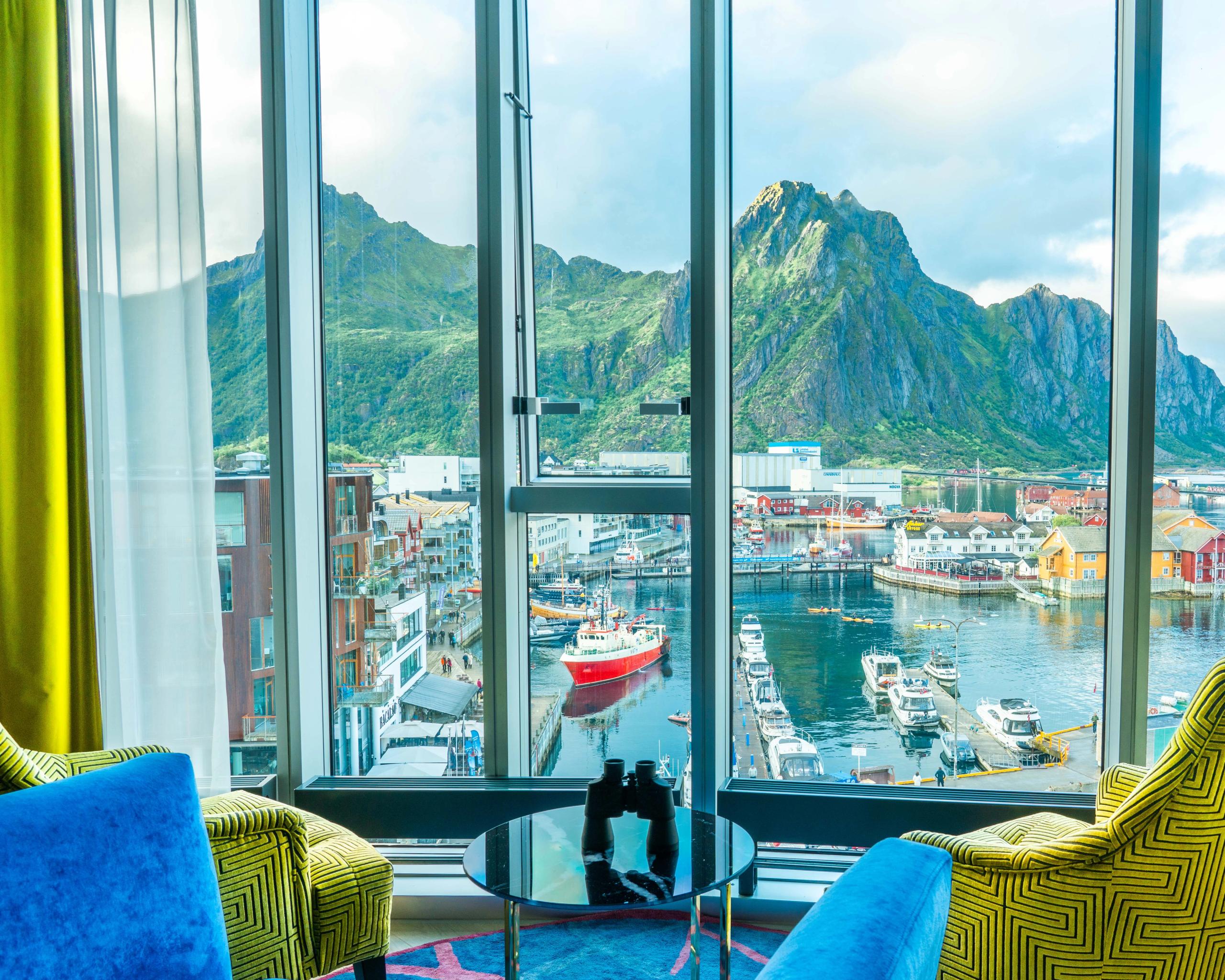 Thon Hotels ASFantastica colazione inclusa! Prova il vero comfort e le tariffe convenienti nei nostri 80 hotel in Norvegia.
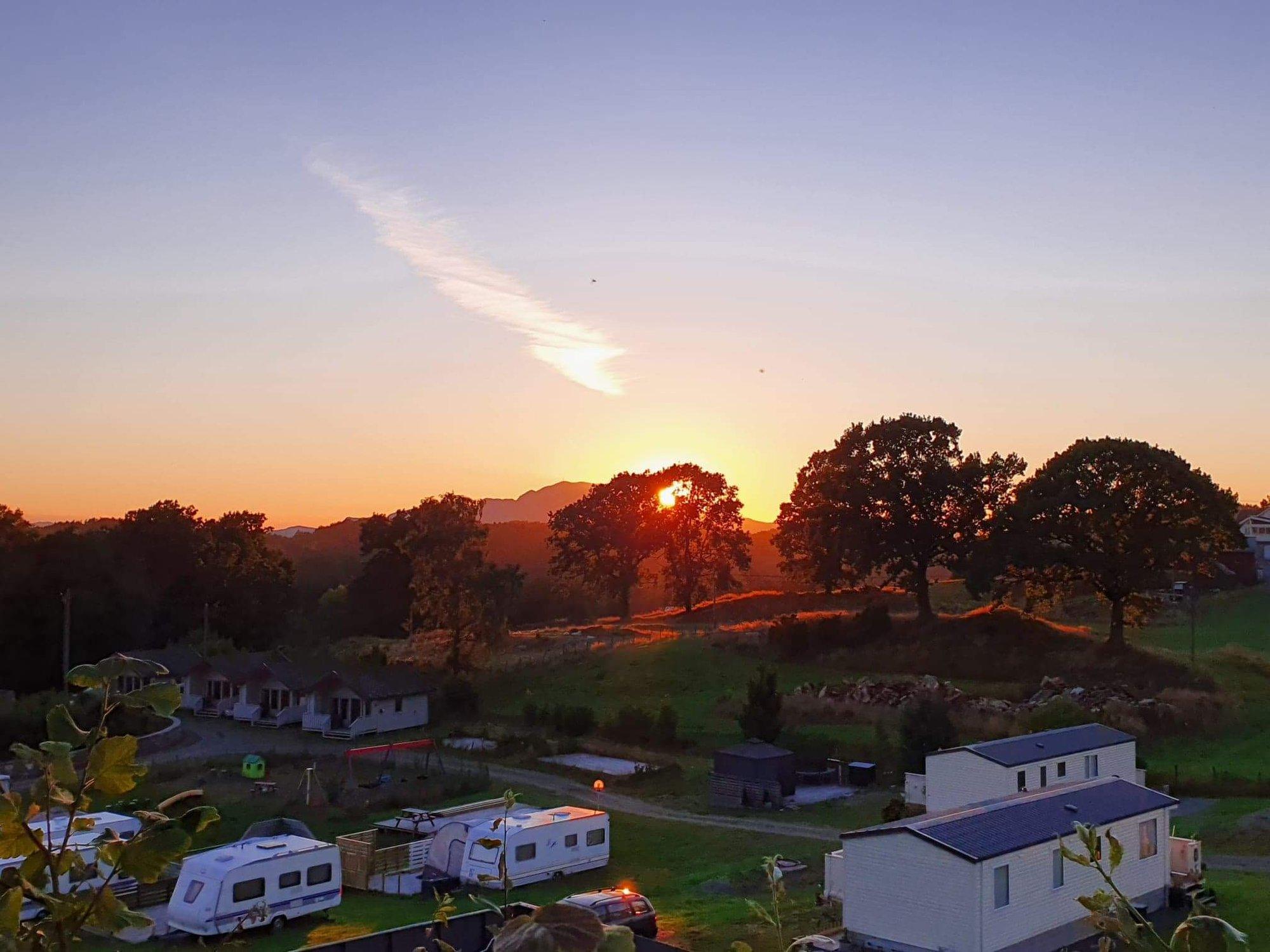 CampcationDormi in un hotel di ghiaccio, vai a caccia dell’aurora boreale e scopri i magici fiordi. Prenota ora il tuo tour!
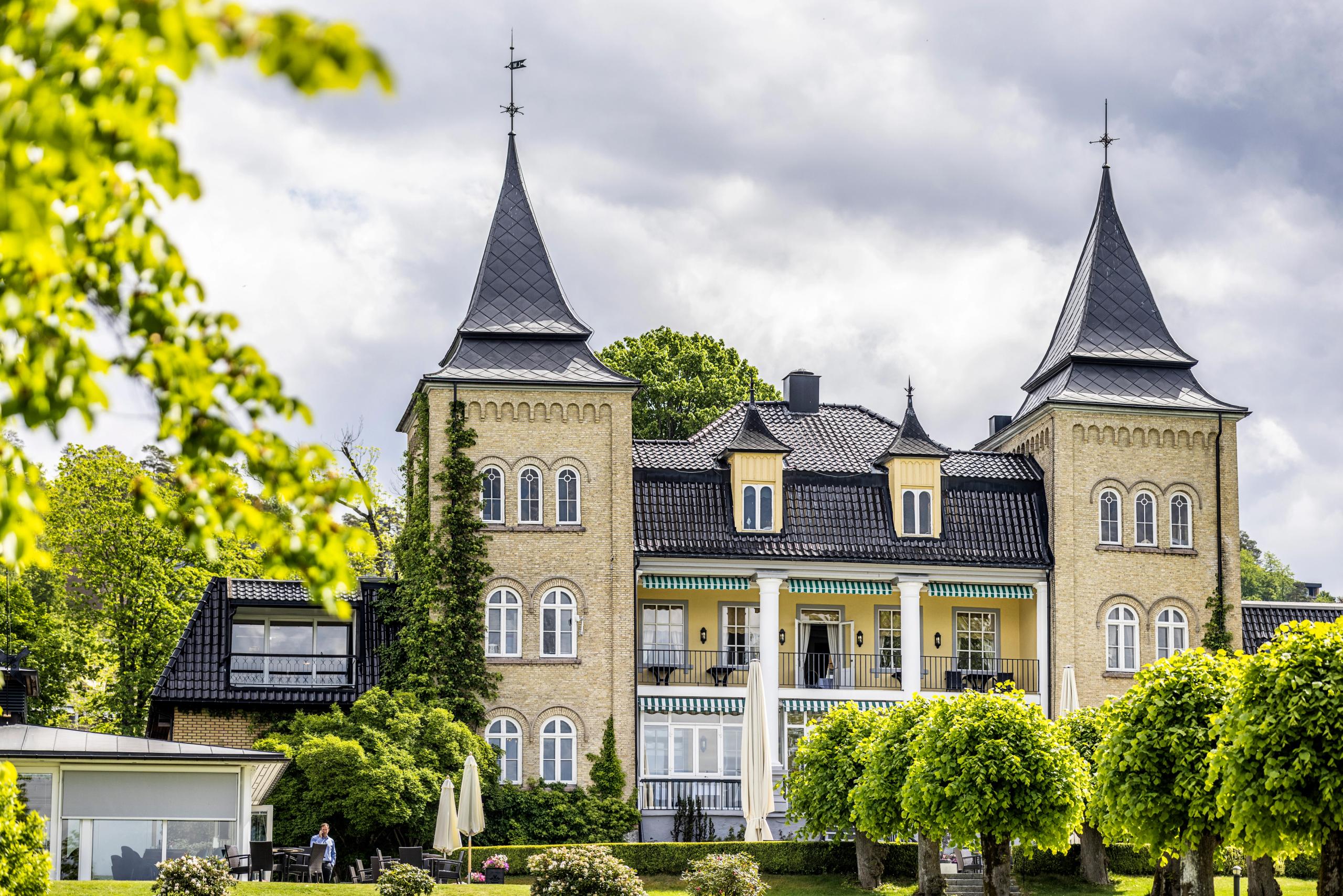 Classic Norway HotelsQuando la destinazione è l’hotel. Prenota una notte da ricordare in uno degli hotel più unici e caratteristici della Norvegia.
 50 Degrees North NordicScegli tra indimenticabili viaggi individuali su misura e tour esclusivi per piccoli gruppi in Norvegia.
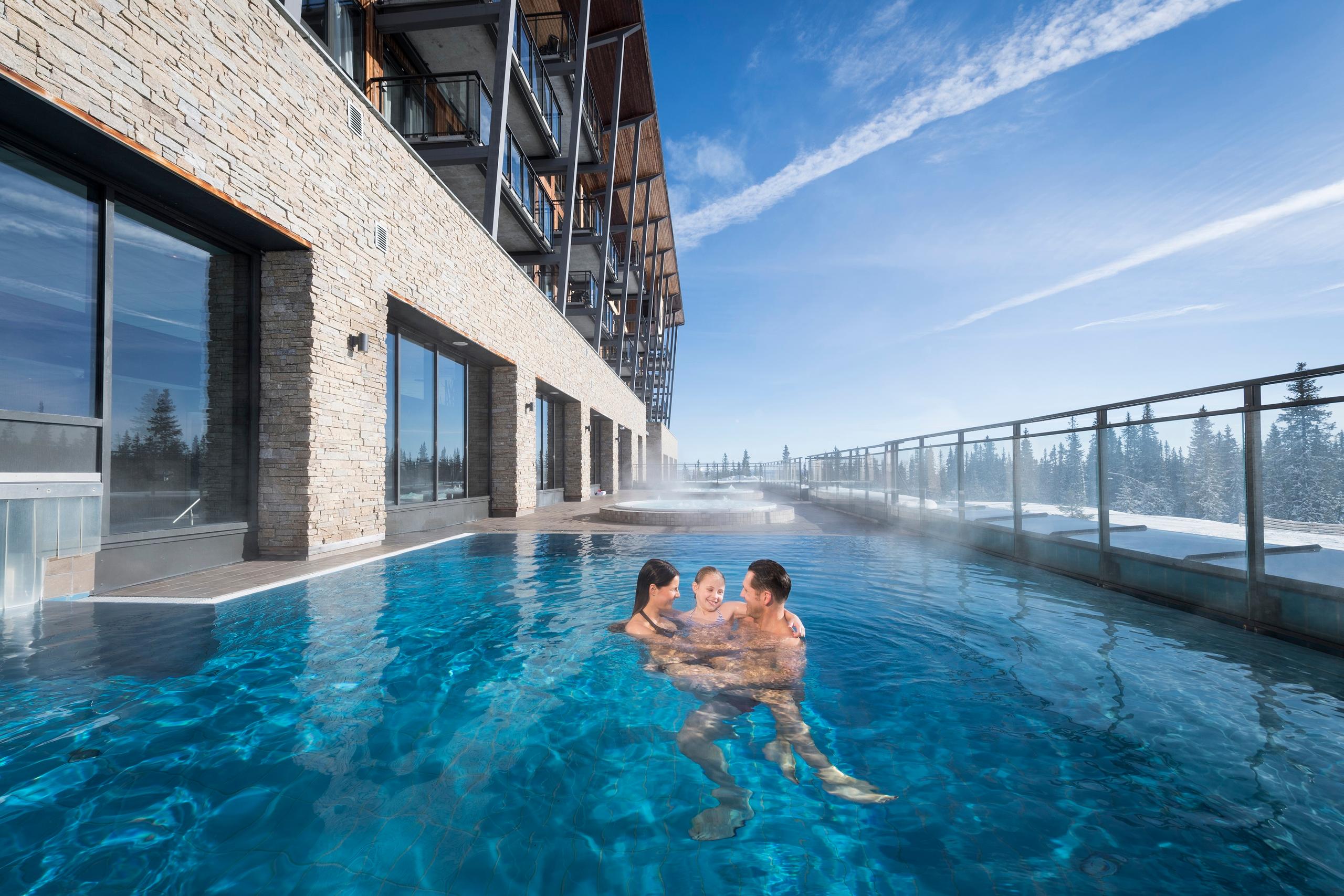 Radisson HotelsOfferte molto convenienti e pernottamento confortevole e di qualità nelle principali città, aeroporti e località sciistiche della Norvegia.
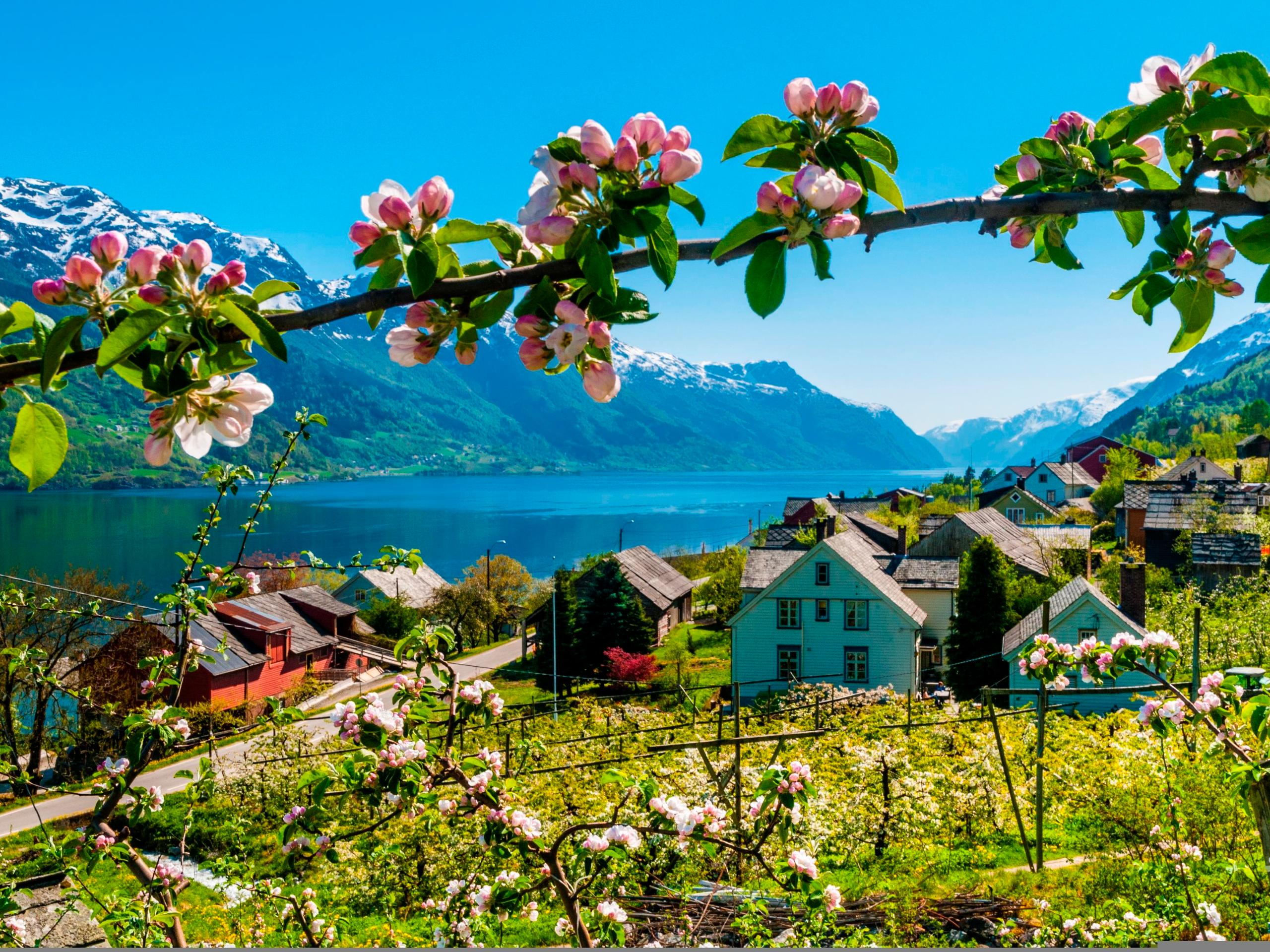 Authentic ScandinaviaViaggi curati da persone del posto. I nostri tour su misura soddisfano ogni tipo di viaggiatore e ogni budget.
 Booknordics.comPacchetti vacanze unici, hotel avventura, tour e attività.
 Fjord ToursAbbiamo creato Norway in a Nutshell, il tour più popolare della Norvegia. Fiordi, montagne e mete spettacolari — tutto in un solo viaggio!
 Go FjordsPrenota tour ed esperienze fantastiche! Offriamo tour a Oslo, Bergen, Stavanger, Lofoten, Capo Nord e altre località.
 HurtigrutenVivi l’esperienza del viaggio per mare più bello del mondo con una indimenticabile crociera lungo la stupenda costa della Norvegia.
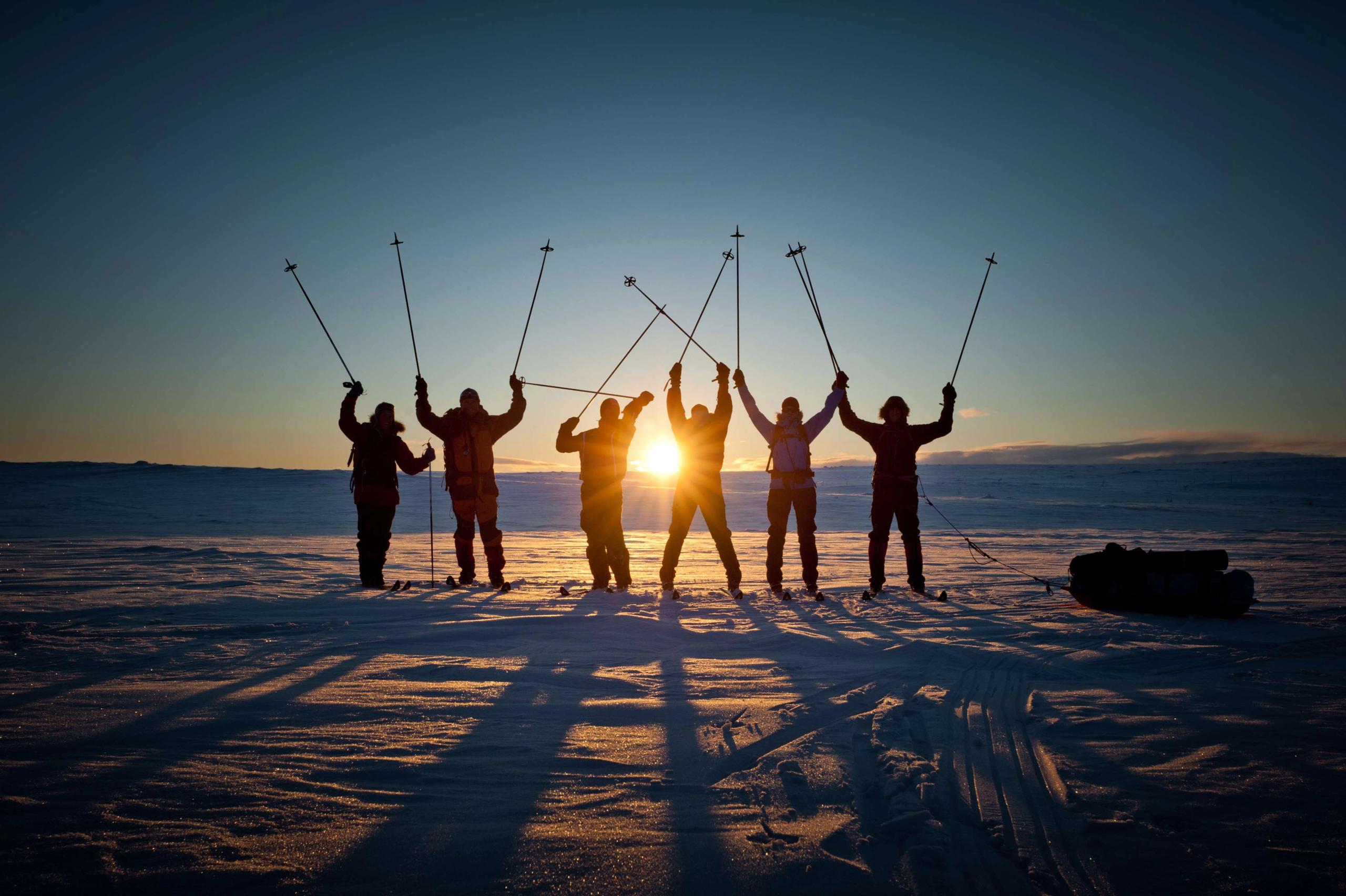 Norrøna AdventurePreparati a spedizioni e viaggi avventura con Norrøna Adventure. Escursionismo, sci e tour in bicicletta.
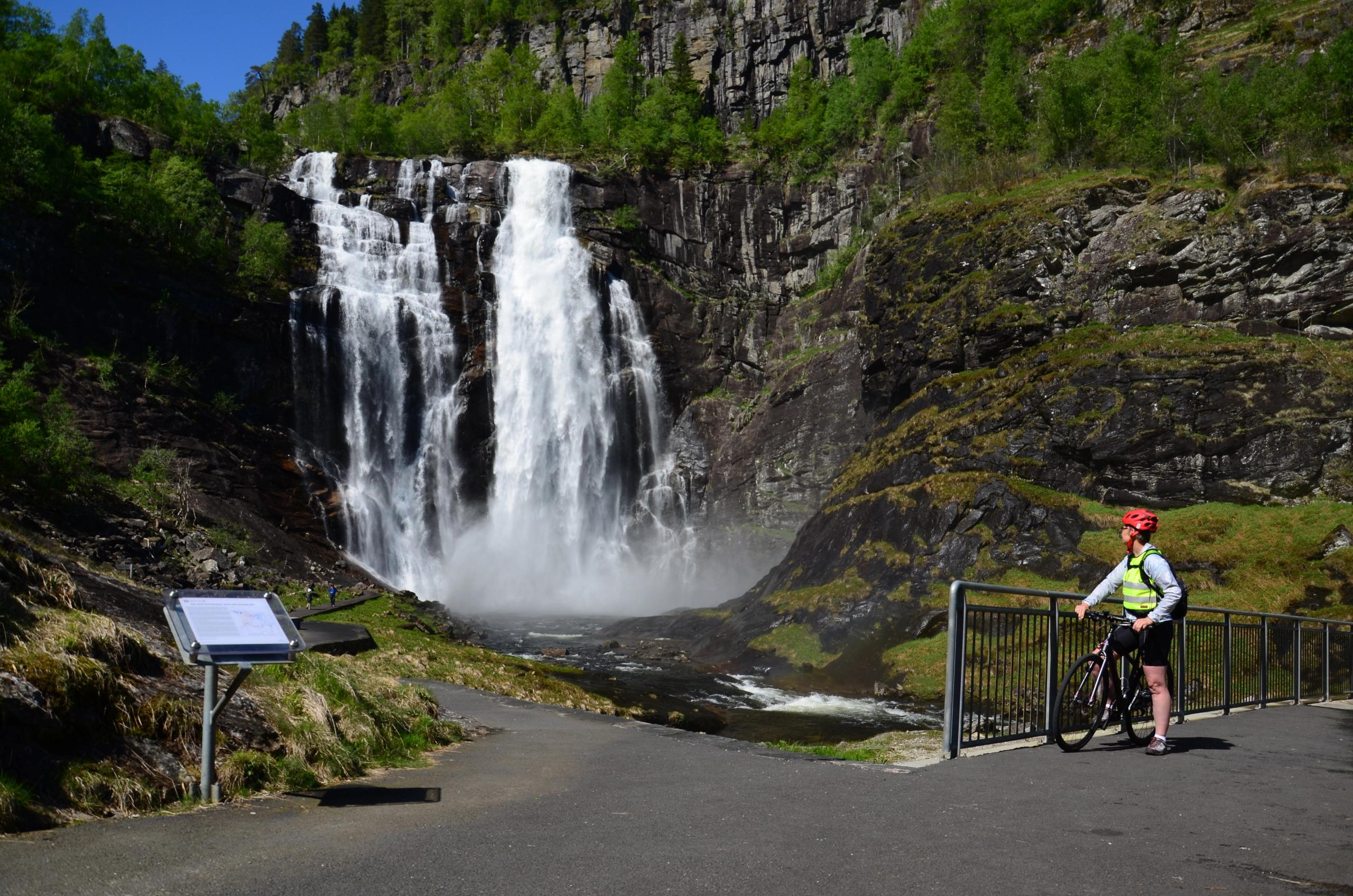 Discover NorwayOffre un’ampia gamma di vacanze entusiasmanti con tour indipendenti di escursionismo, bicicletta e sci in Norvegia. Incluso il trasporto del bagaglio.
 Norwegian HolidaysPacchetti vacanze a prezzi convenienti con Norwegian. Prenota voli, hotel e noleggio auto tutto nello stesso posto.
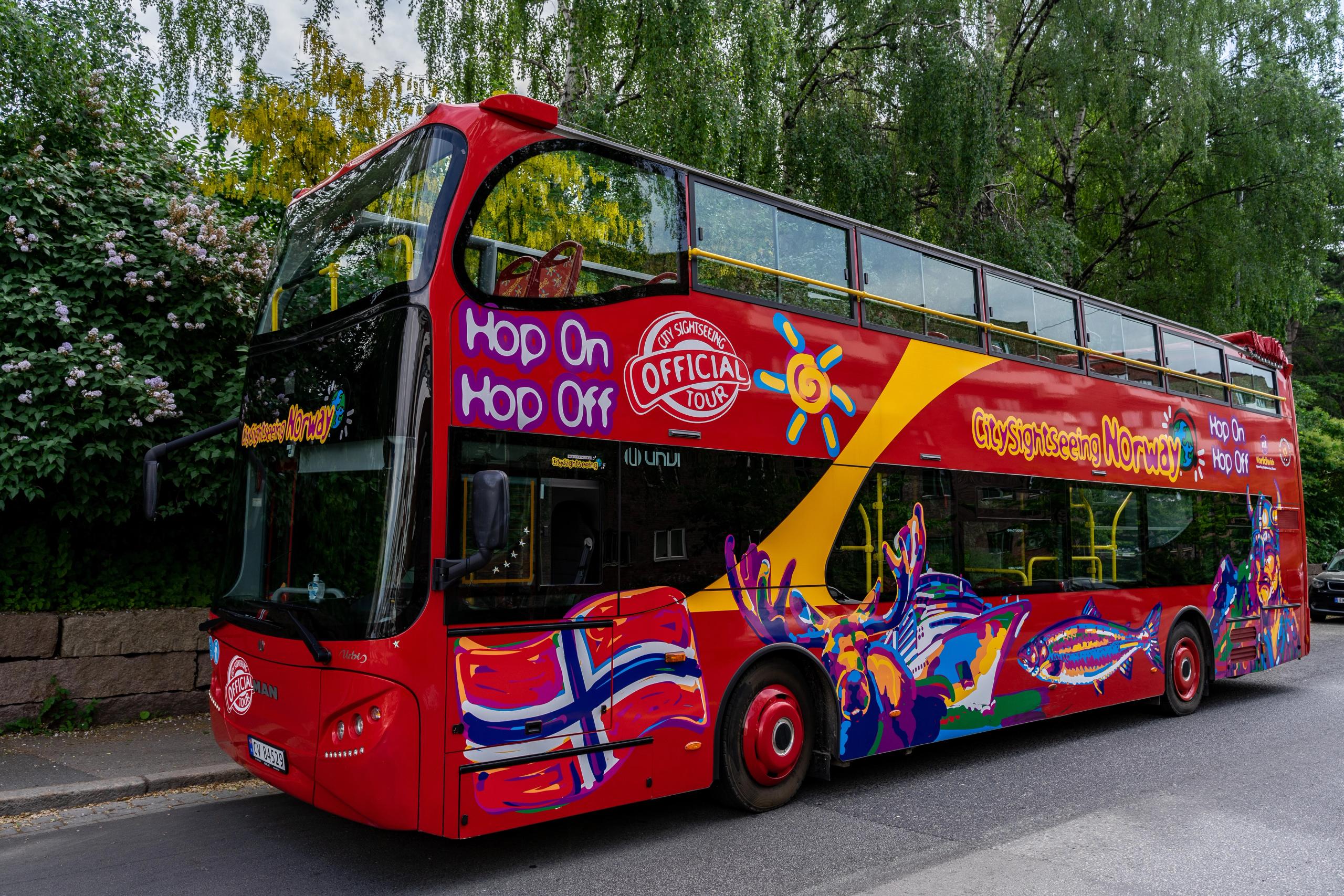 StrömmaSightseeing in pullman e battello in numerose delle principali località turistiche e città della Norvegia.
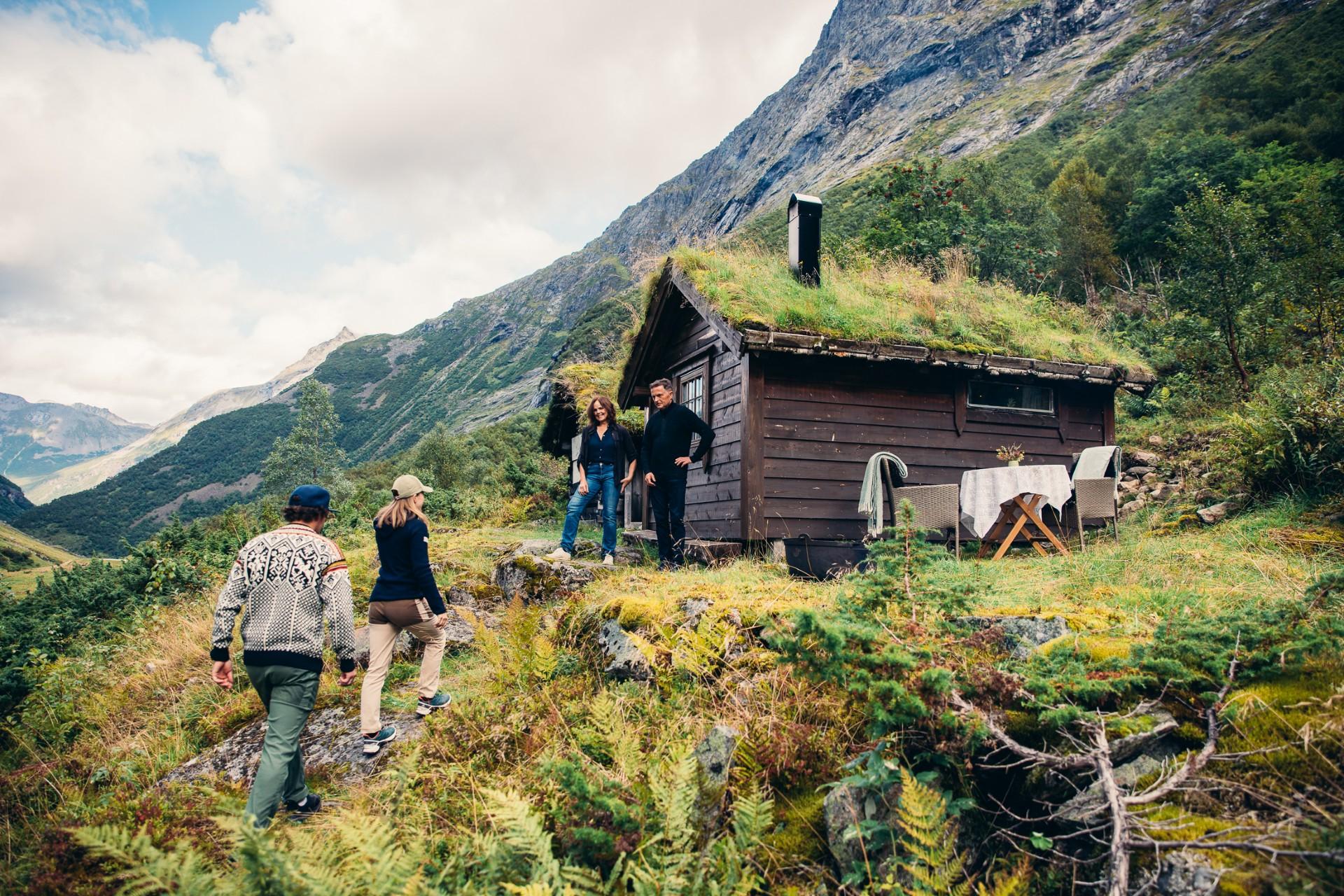 Up NorwayLusso su misura scelto personalmente da esperti del luogo. Uniamo le tue preferenze e la nostra conoscenza per creare un viaggio indimenticabile.
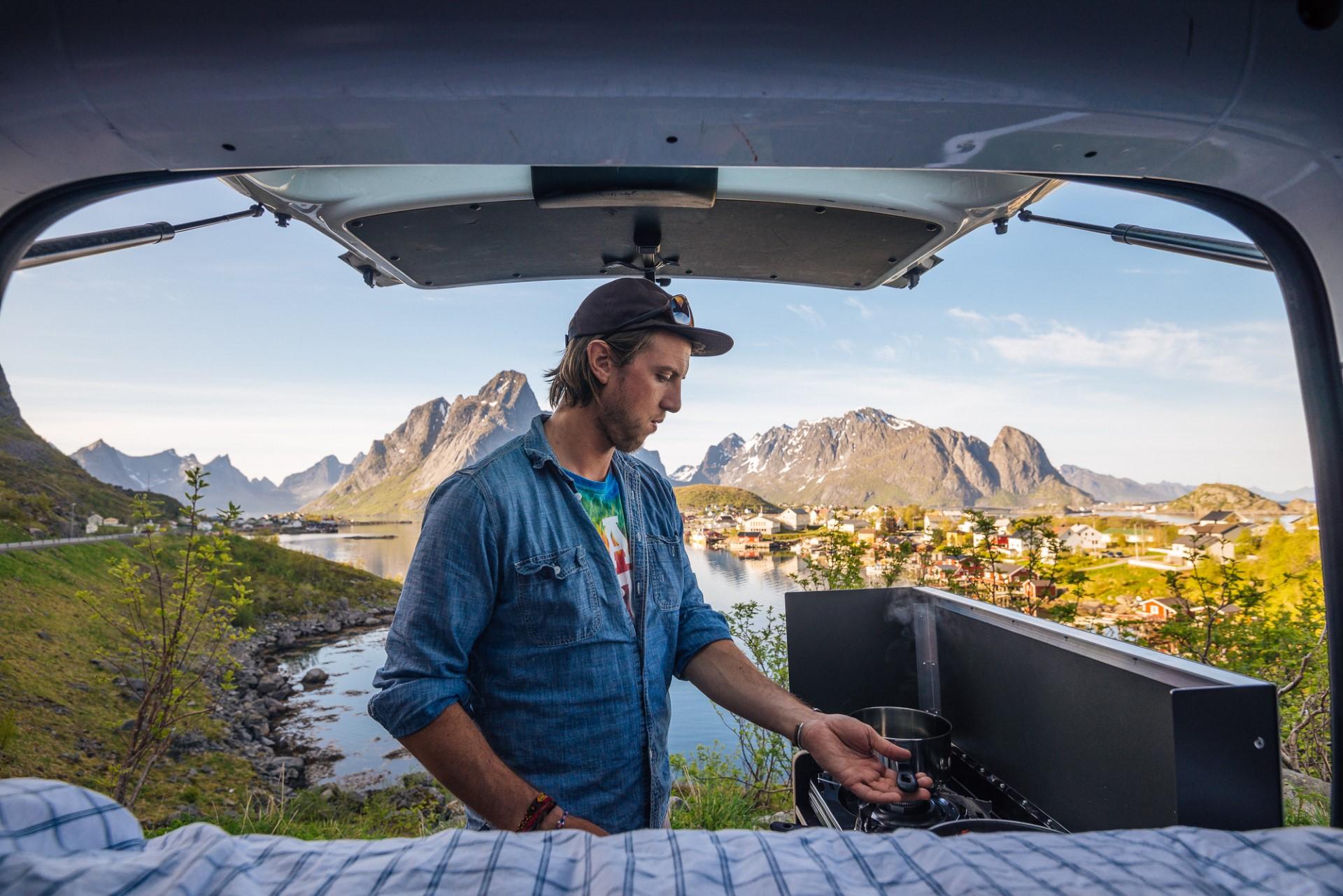 Arctic Campers ASVuoi provare la vita da camperista? Esplora la Norvegia comodamente e con stile con i nostri camper funzionali e accoglienti.
 Auto EuropeUn’esperienza sempre piacevole di noleggio auto. Cerca e confronta le tariffe di noleggio. Cancellazione gratuita fino a 24 ore prima del ritiro.
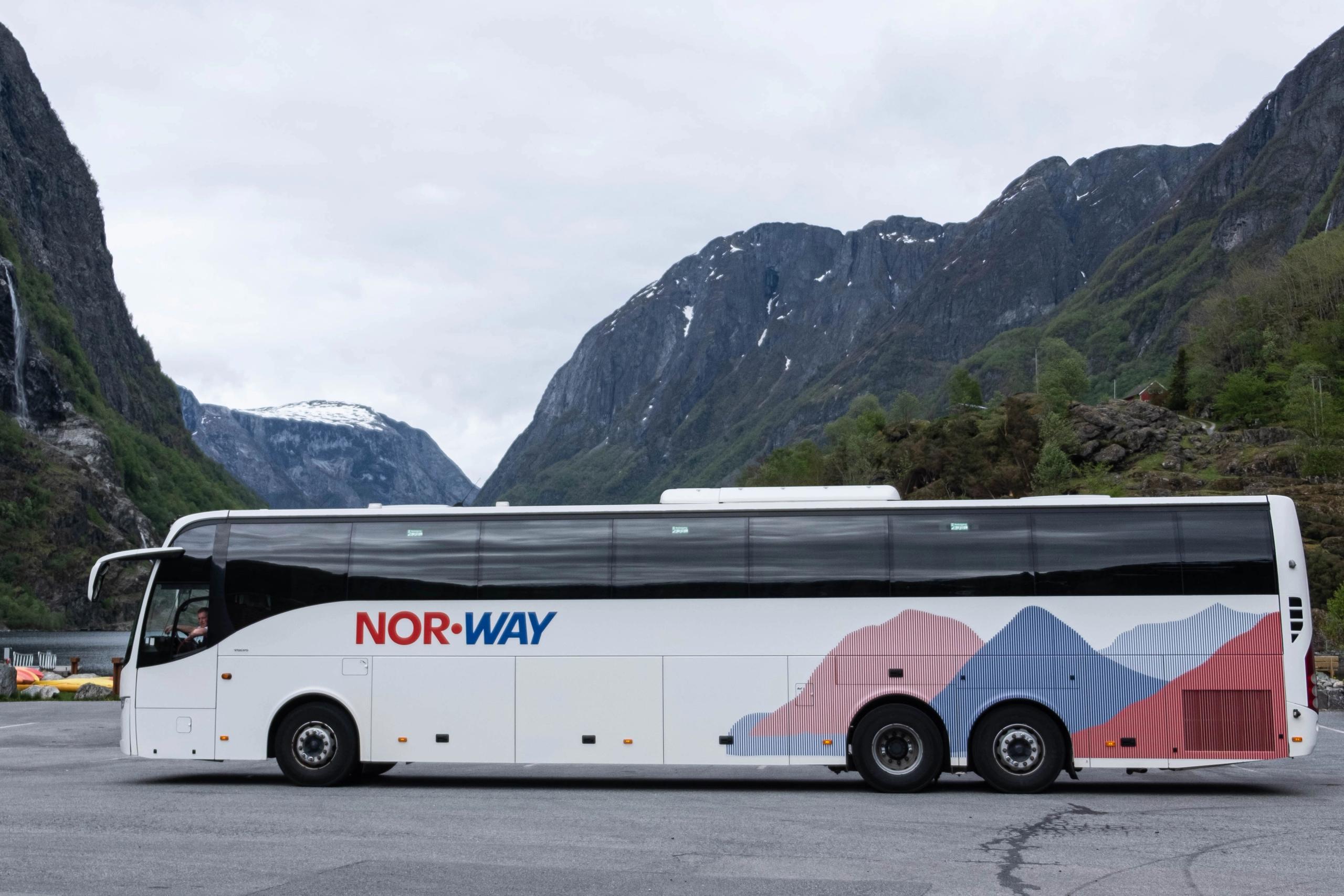 NOR-WAY BussekspressAmmira gli splendidi panorami con un comodo viaggio in pullman verso i fiordi e da una città all’altra sui nostri pullman express.
 Rent-A-Wreck of Scandinavia ASL’alternativa intelligente e vantaggiosa per il noleggio auto.
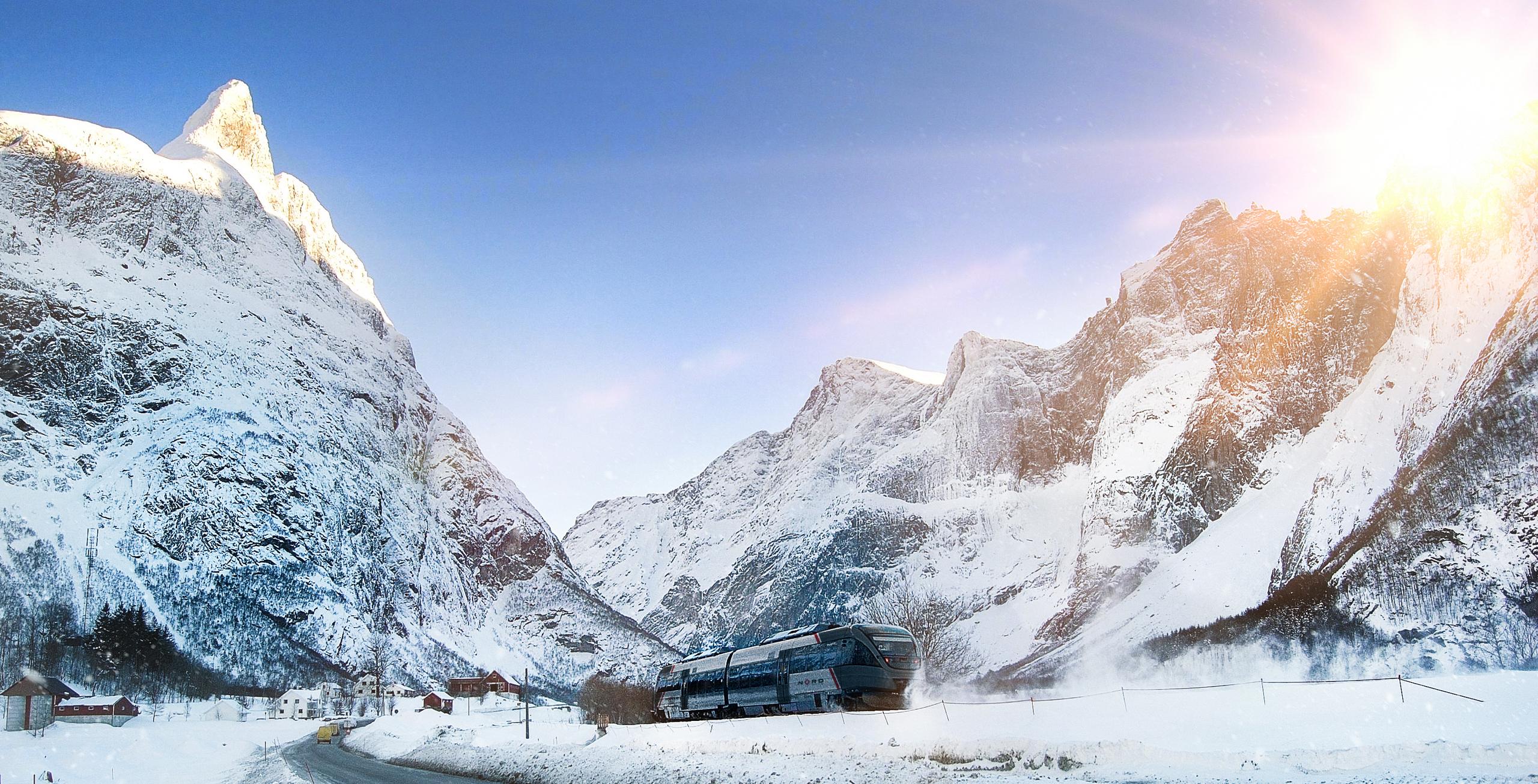 SJ NordSJ NORD – l’avventura inizia sul treno
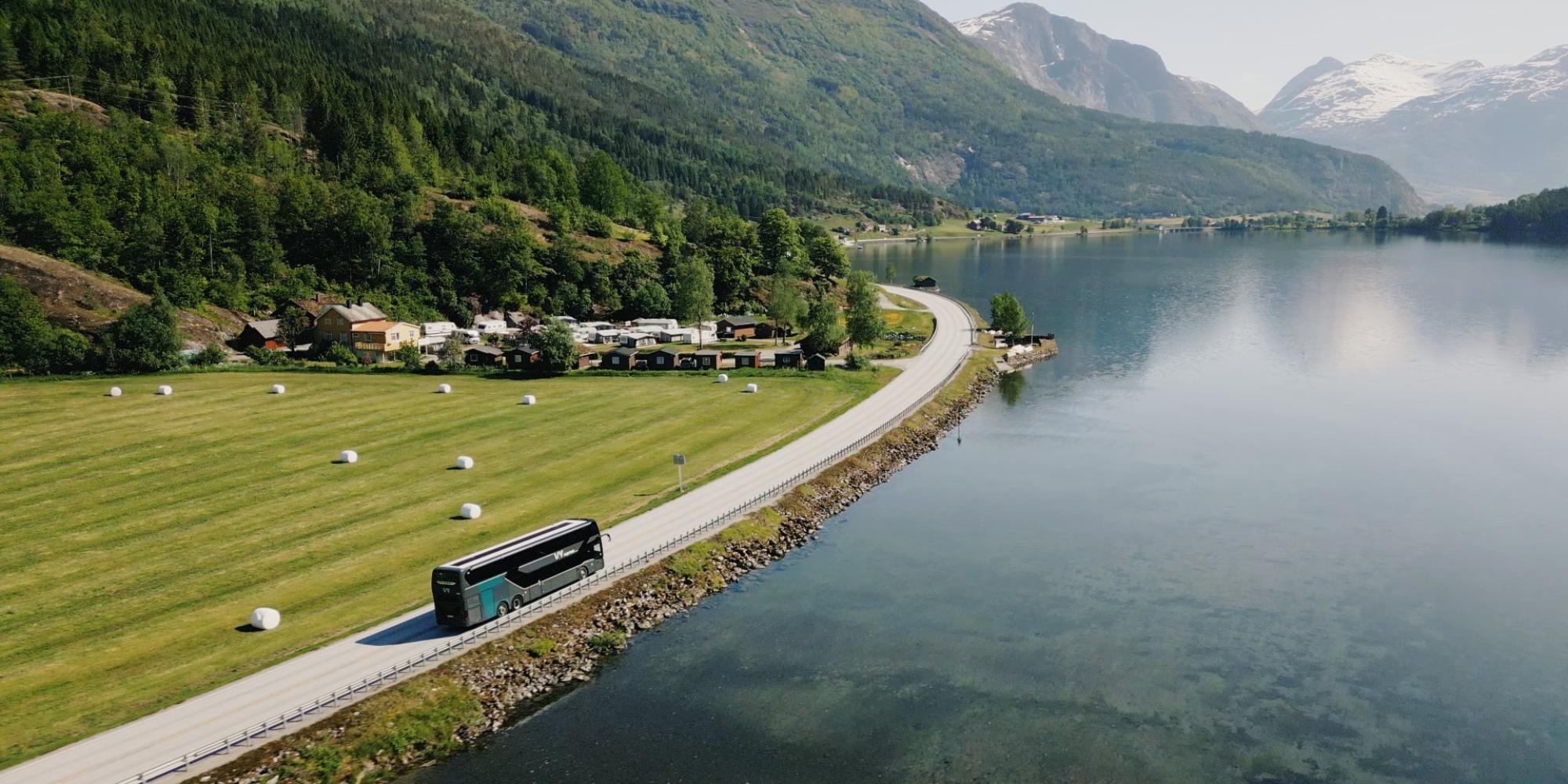 Vy expressScopri la Norvegia a bordo di confortevoli pullman express che ti portano nelle maggiori città, sulle montagne e nei fiordi.
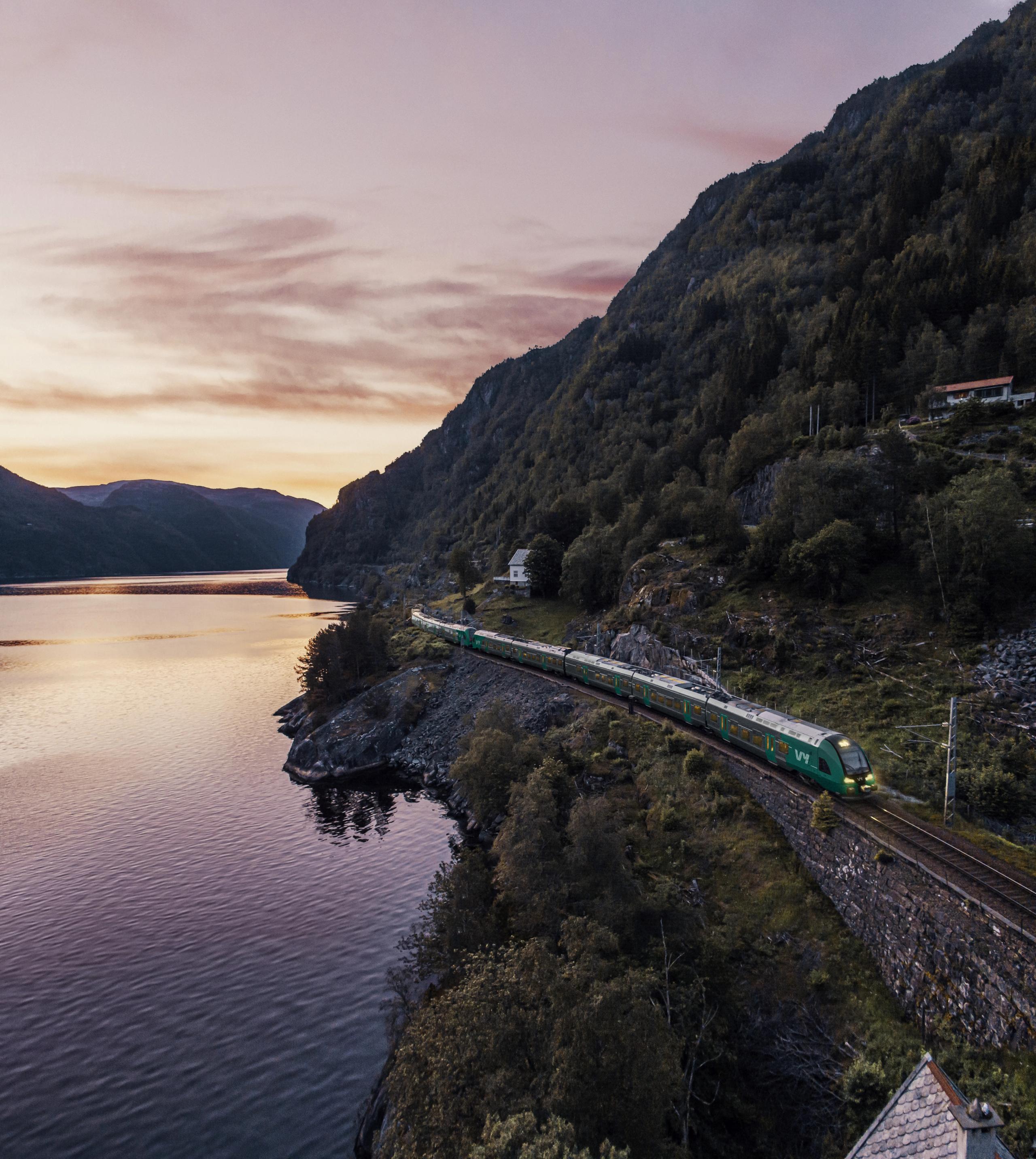 Vy TrainScivola in treno attraverso i paesaggi tra Oslo e Bergen sulla Ferrovia di Bergen e vai alla scoperta della vasta regione intorno a Oslo.
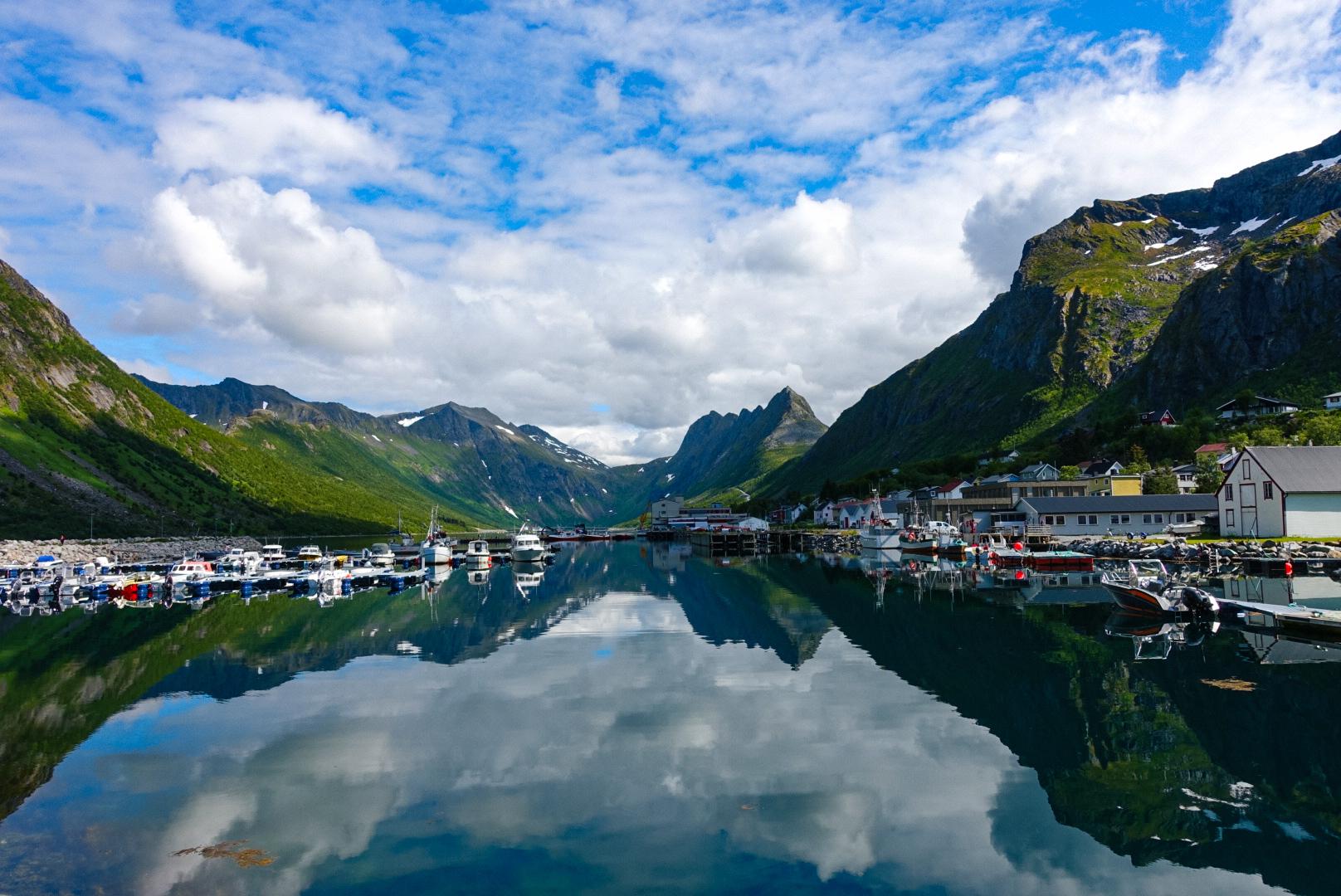 My Nordic TravelScegli tra itinerari fai da te e pacchetti vacanze nelle destinazioni più belle della Norvegia.
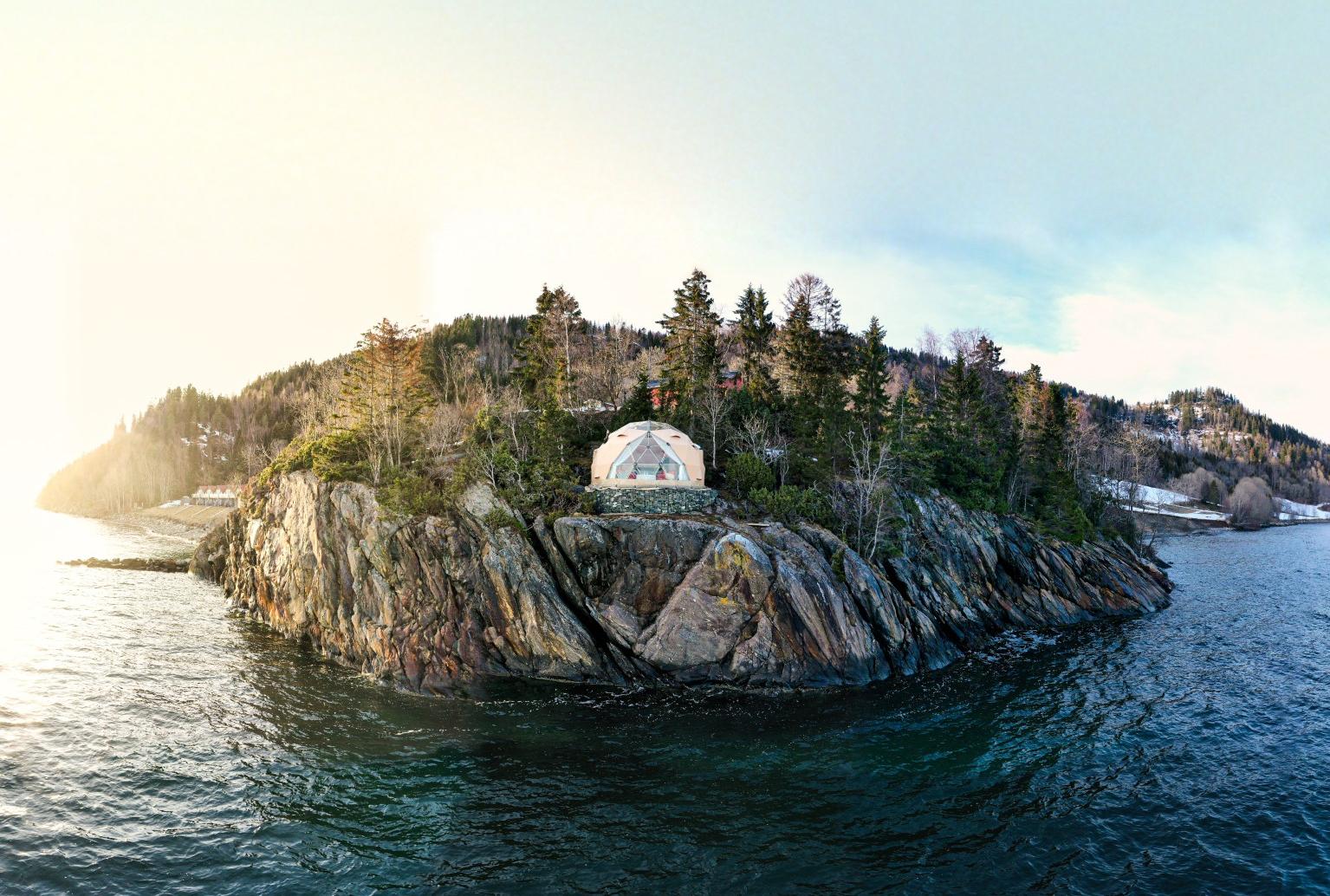 CampanyonCampeggi unici nella natura. Prenota il pernottamento in una casa sugli alberi o in una tenda glamping o affitta una piazzola per camper.
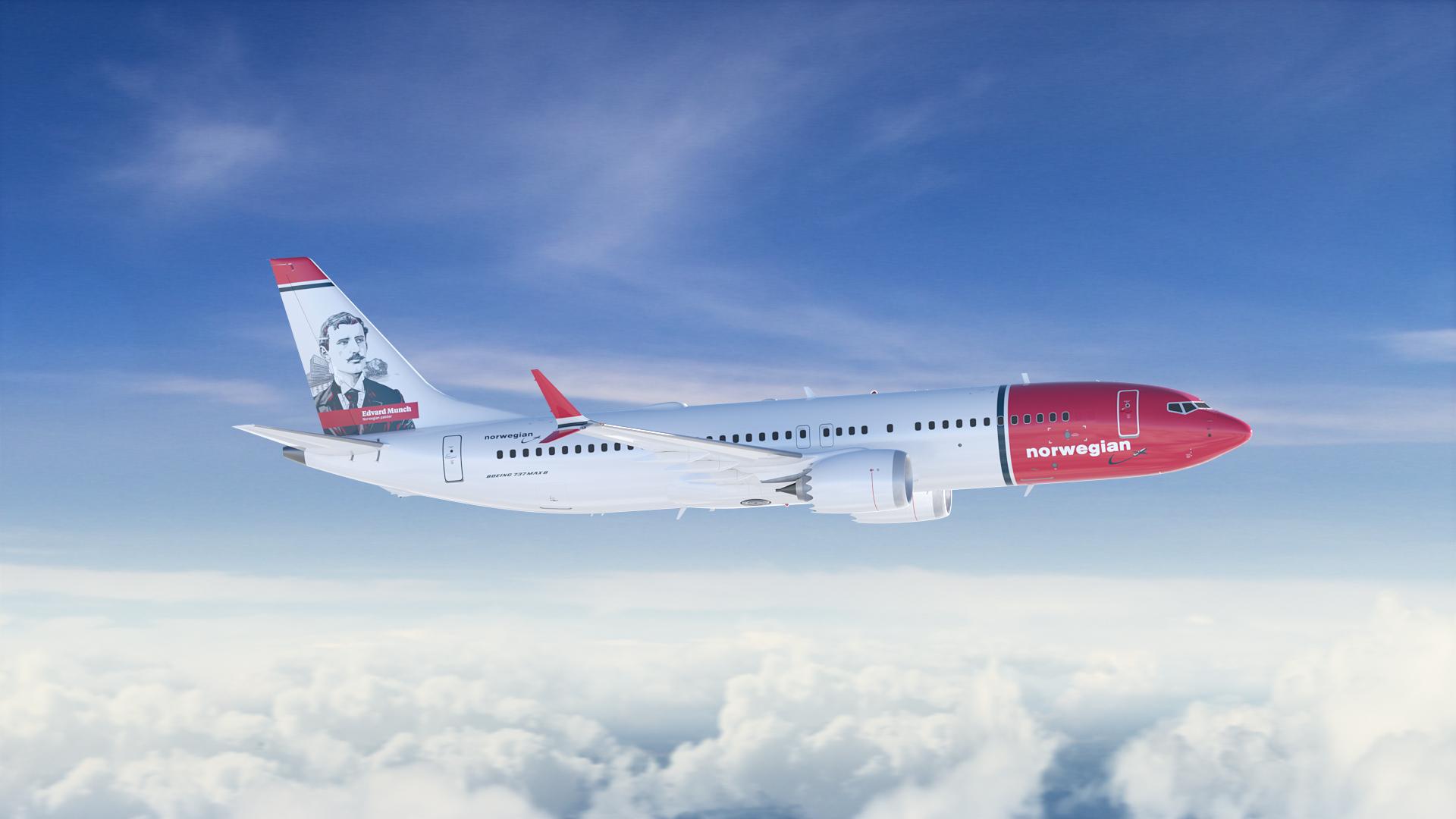 NorwegianNorwegian offre voli economici in Norvegia e voli diretti da più di 70 aeroporti europei. Prenota i voli per la tua destinazione tramite il nostro calendario con le migliori offerte.
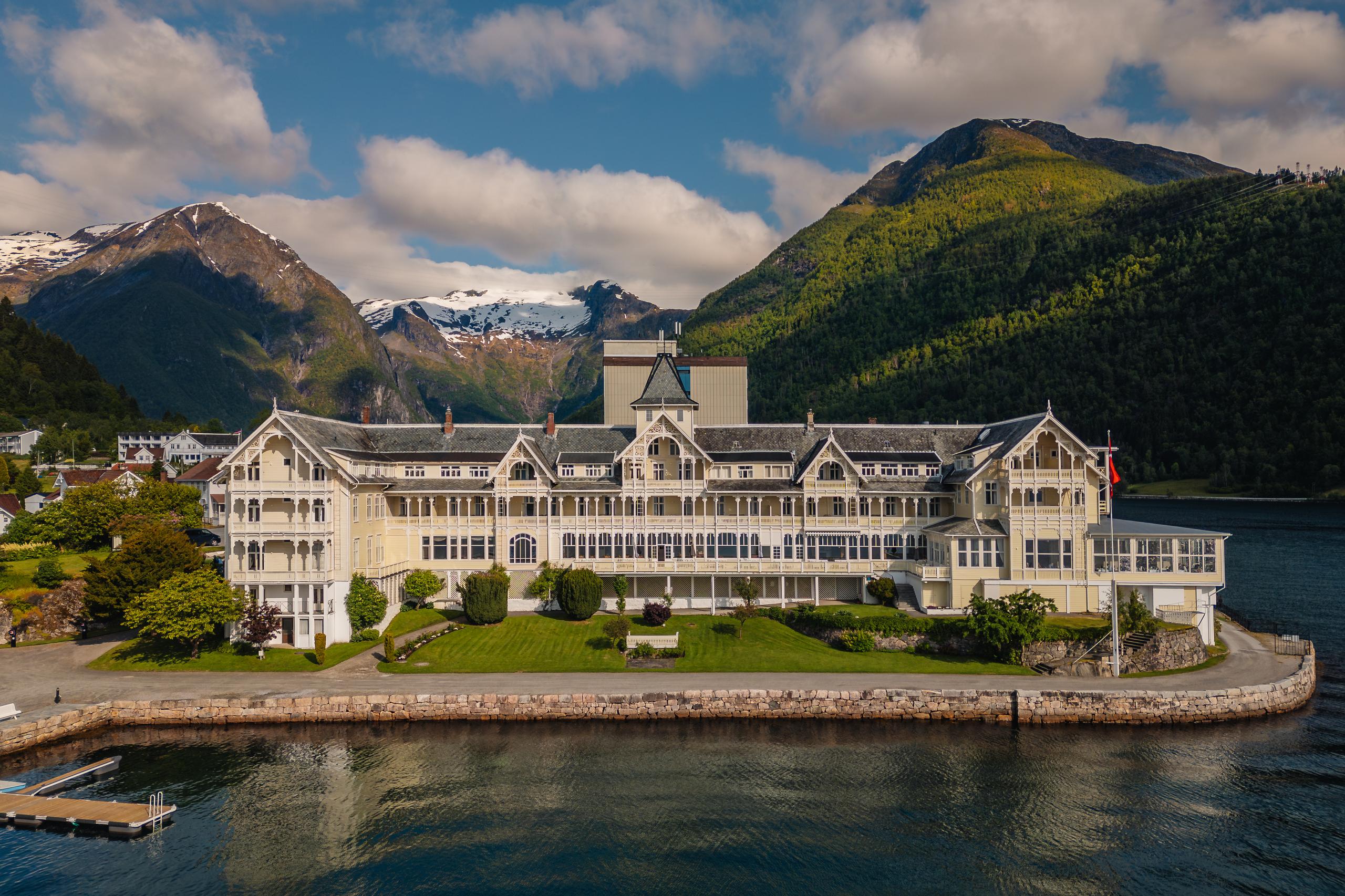 De HistoriskeVivi un soggiorno indimenticabile in uno degli hotel storici, unici e autentici, della Norvegia. Goditi esperienze culinarie di qualità e un’ampia scelta di attività.
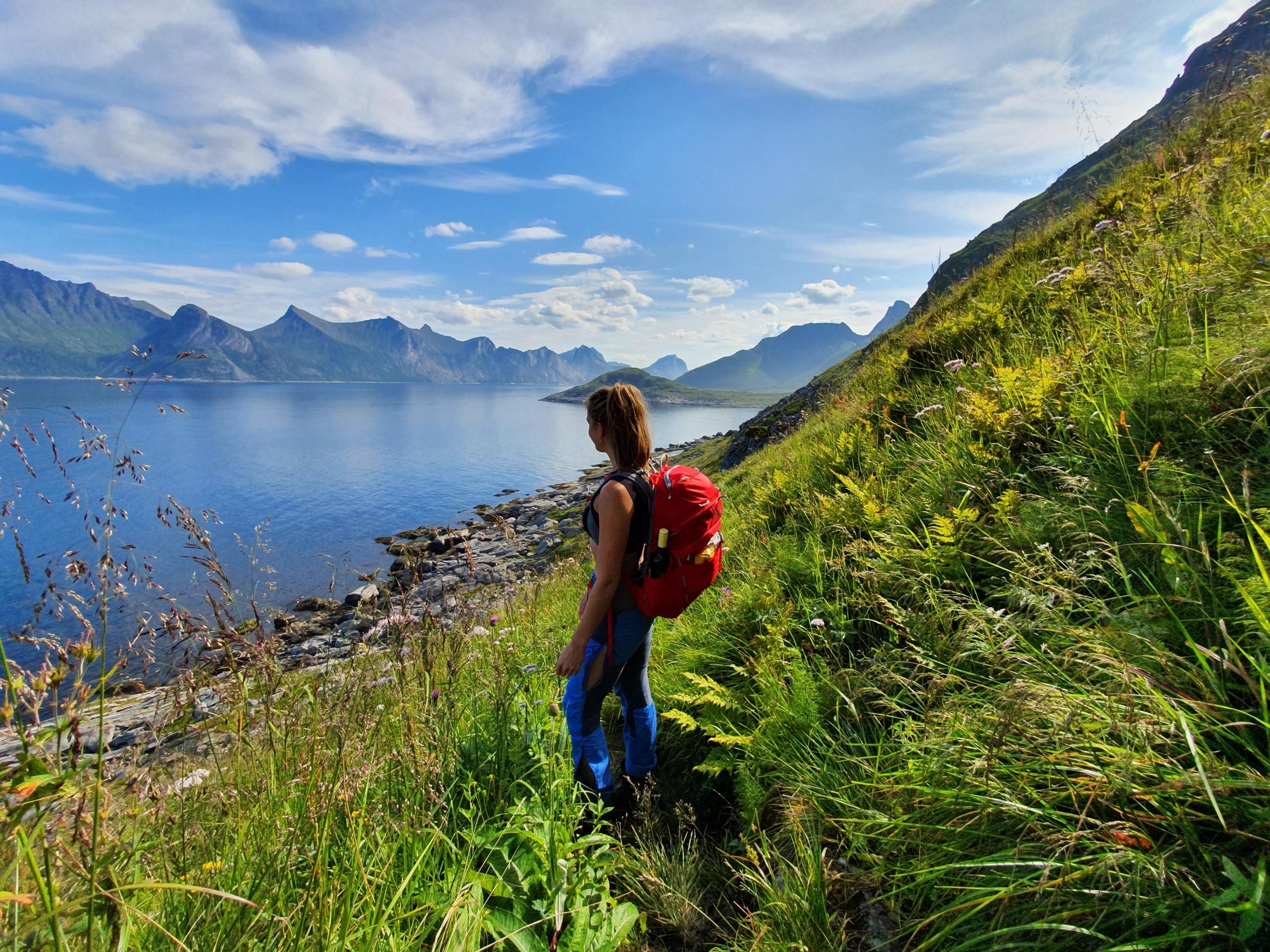 CampioIl maggior sito di prenotazione campeggi della Norvegia. Trova i migliori campeggi e piazzole per camper in tutta la Norvegia.