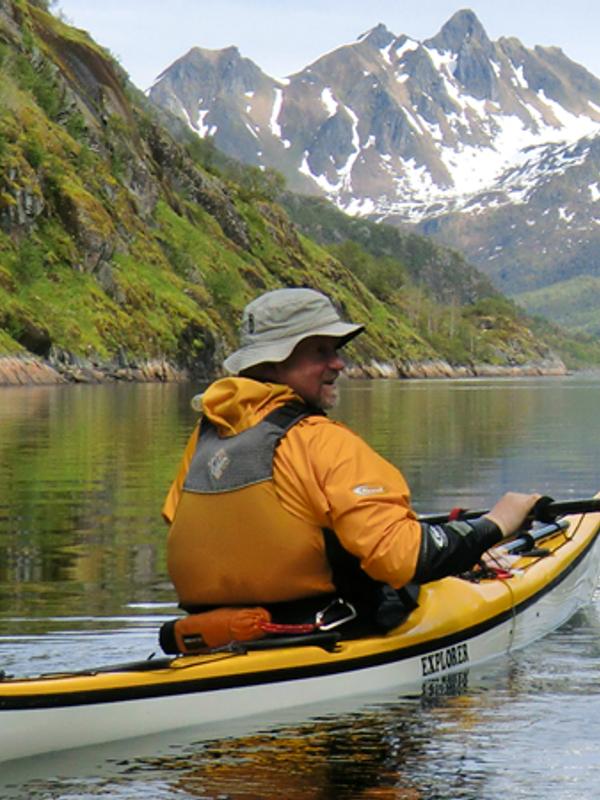
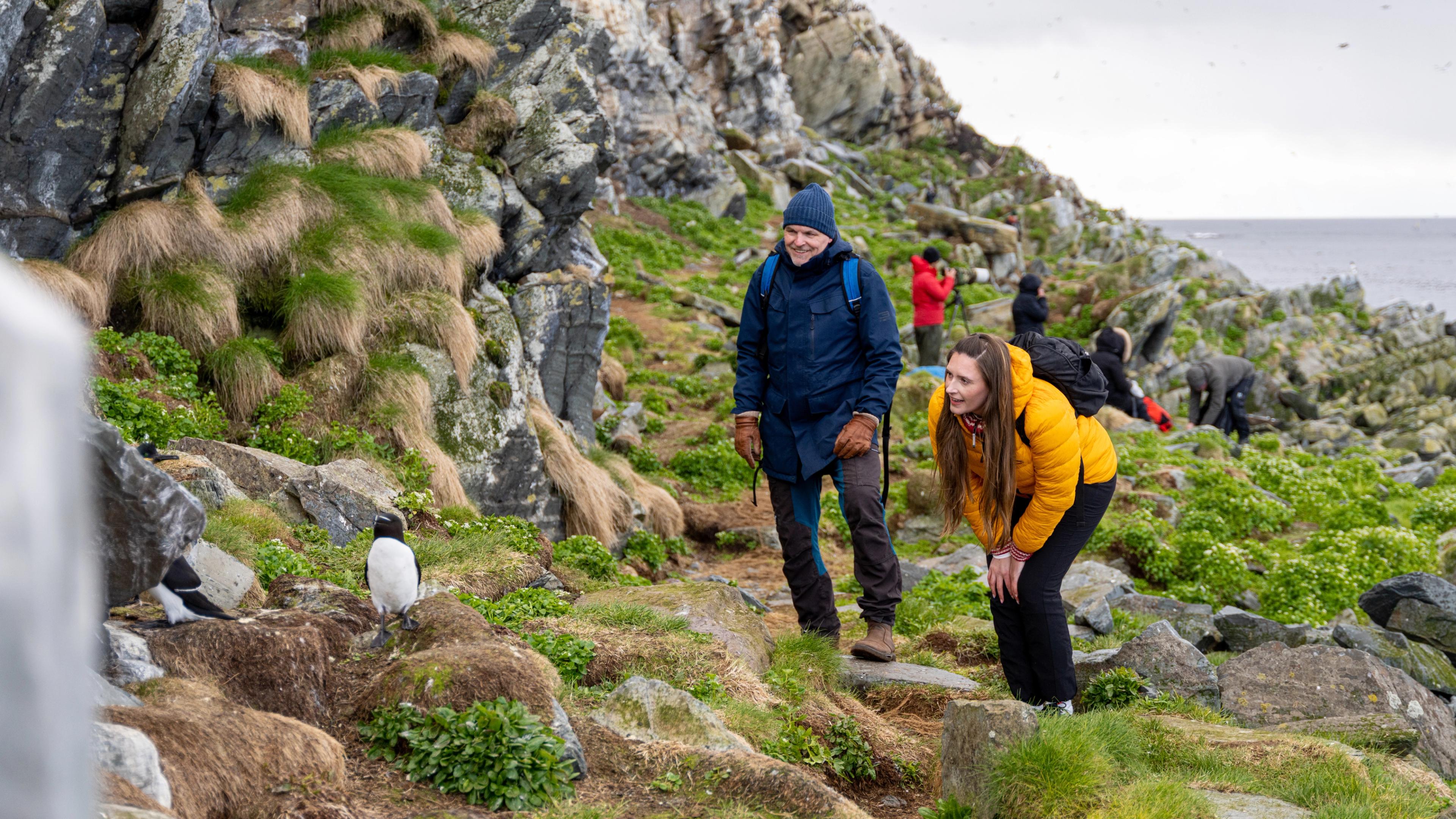
Il birdwatching è molto praticato in Norvegia, dove ci sono tanti luoghi fantastici per l’avvistamento degli uccelli. Osserva le maestose aquile di mare con un tour guidato, fotografa le graziose pulcinella di mare, e trova dove andare con i consigli di un esperto.
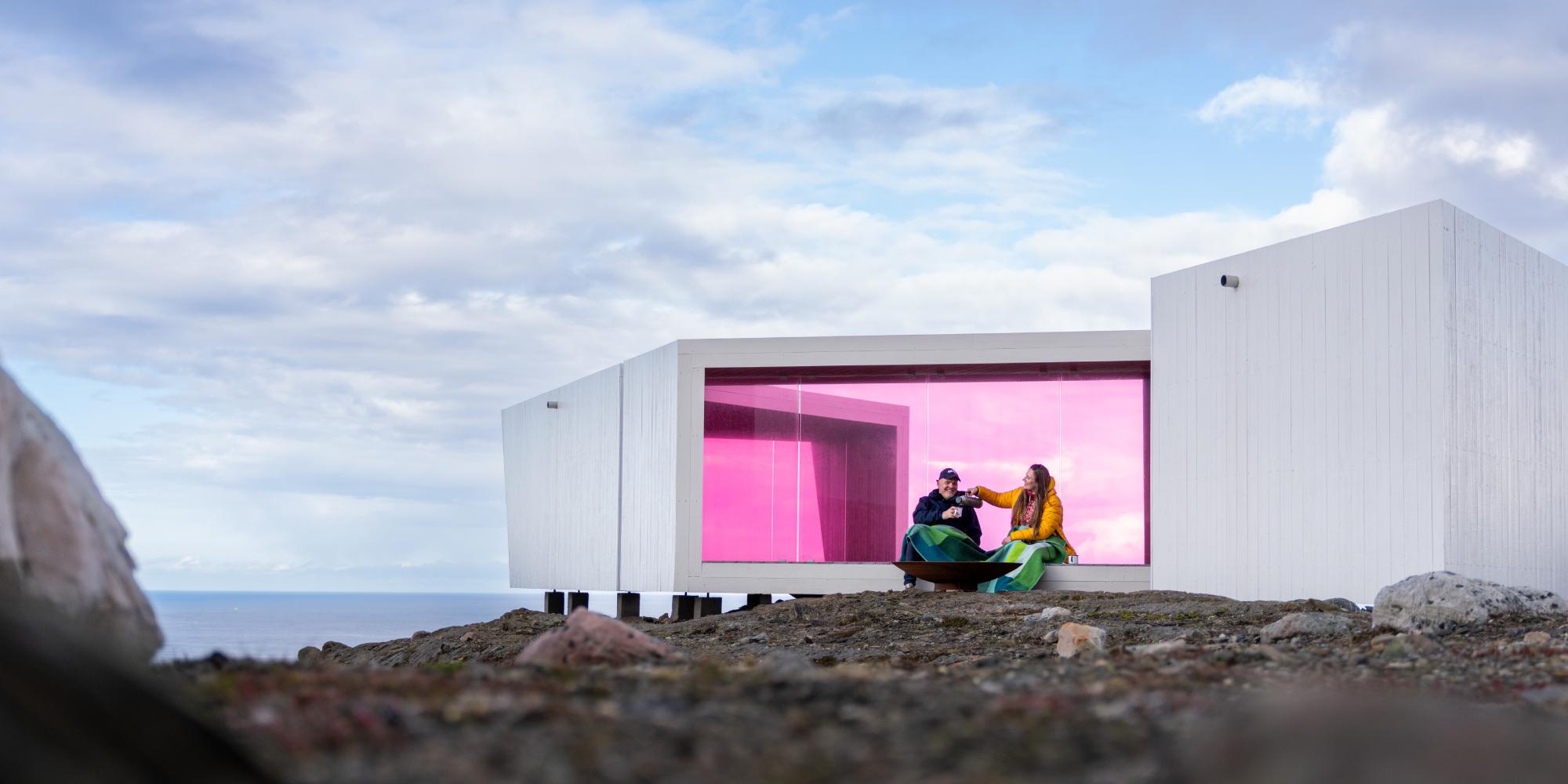
Fare birdwatching
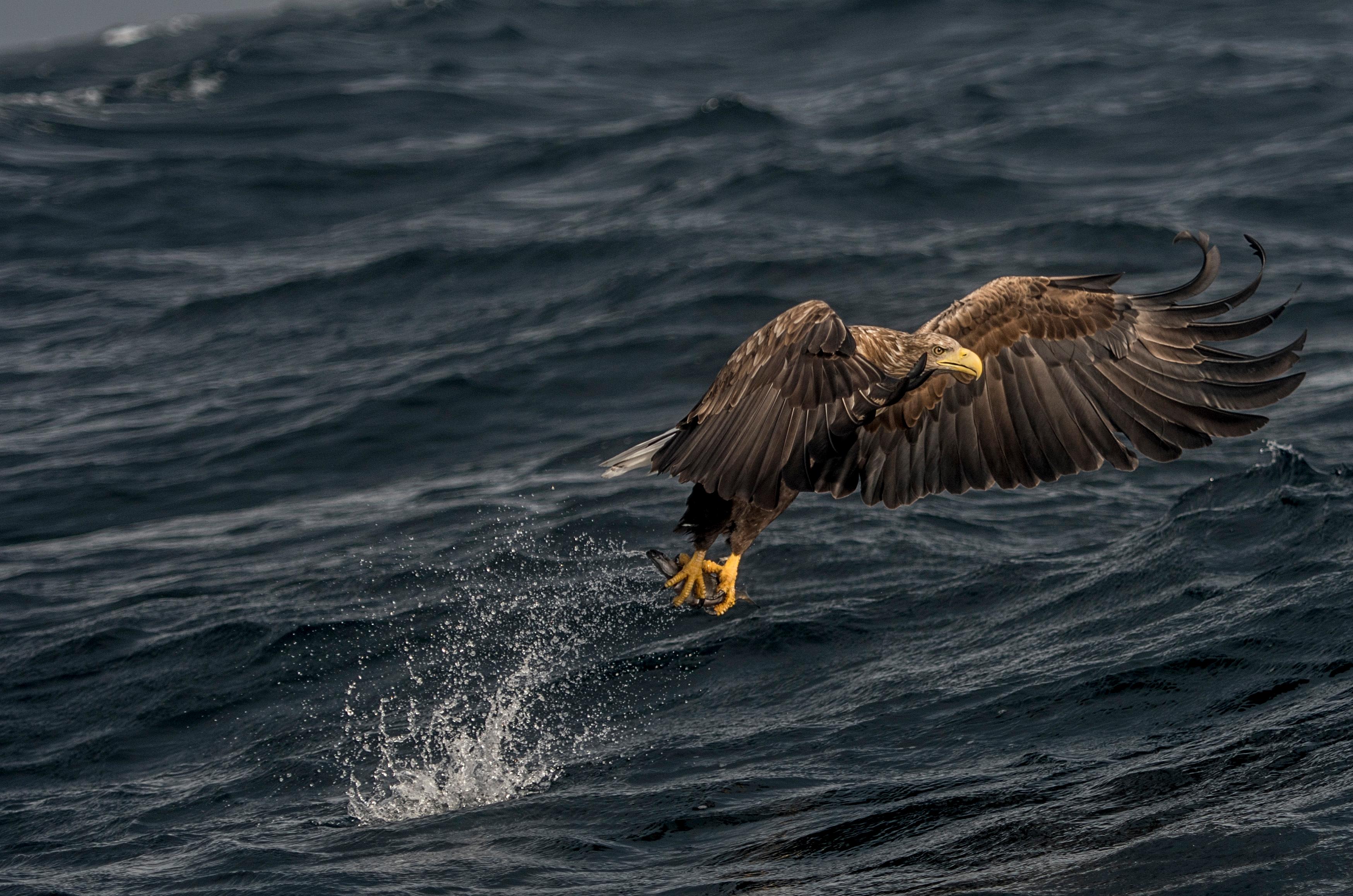
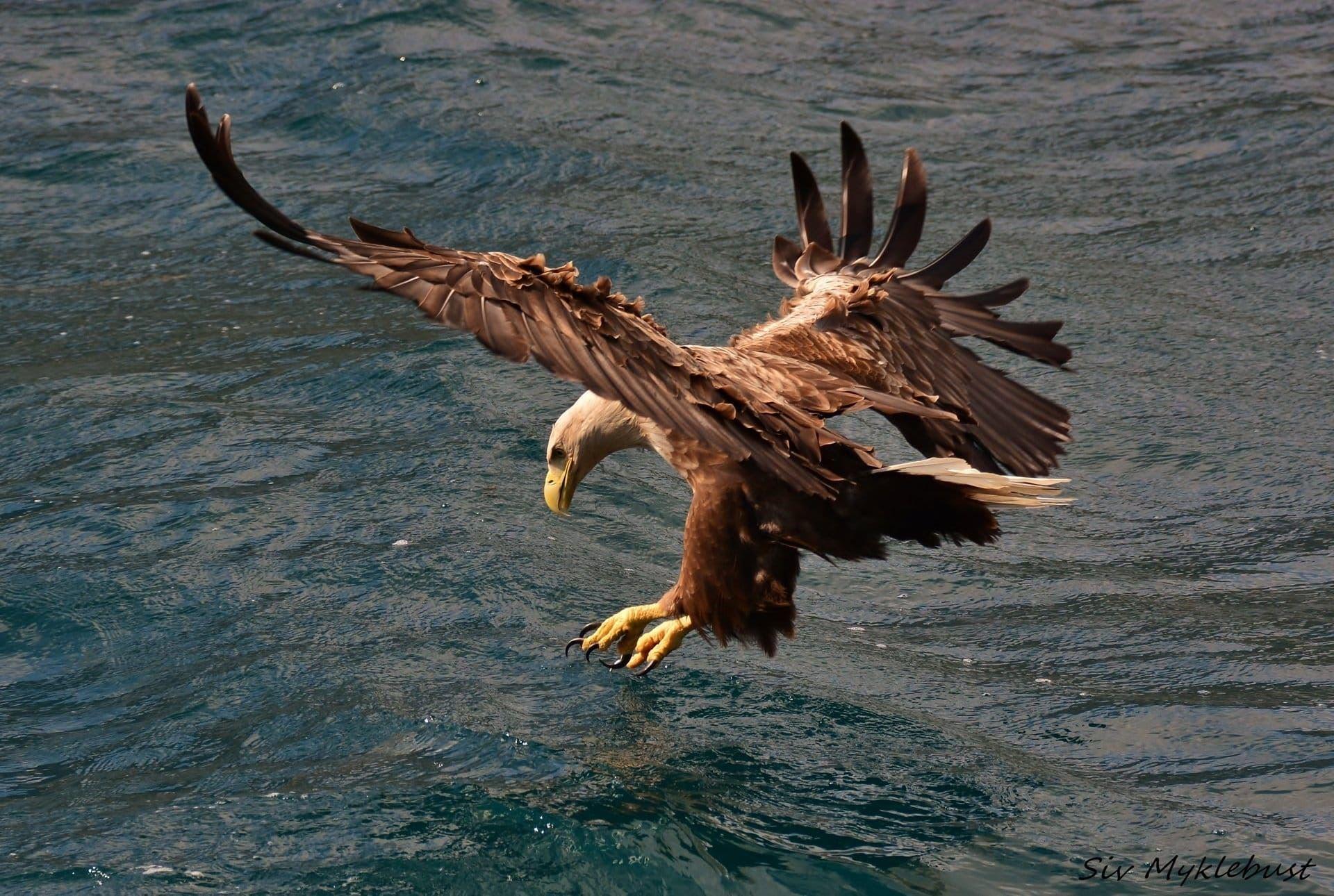
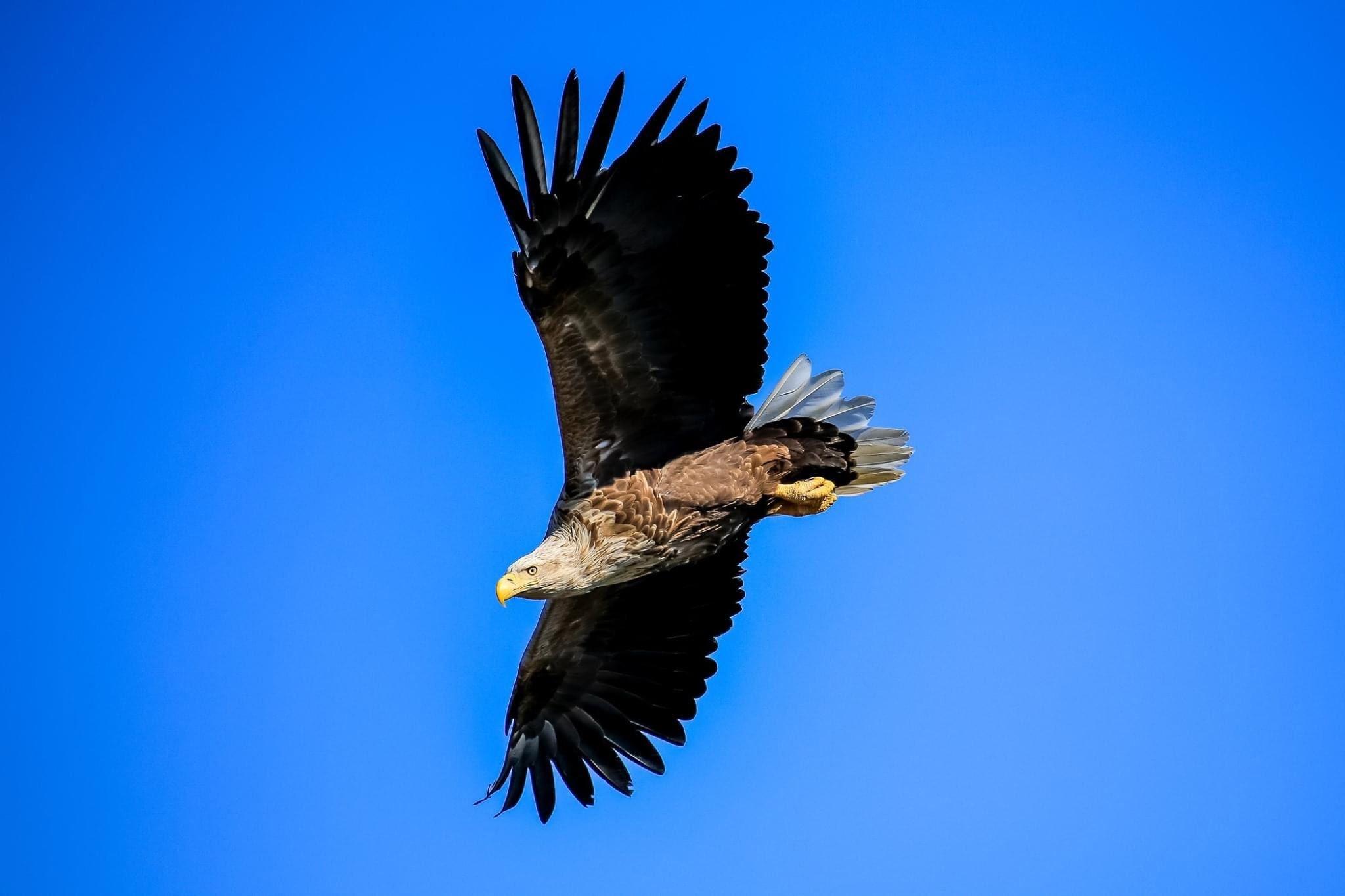
Scatta una foto a una maestosa aquila di mare mentre si tuffa per catturare la sua preda.
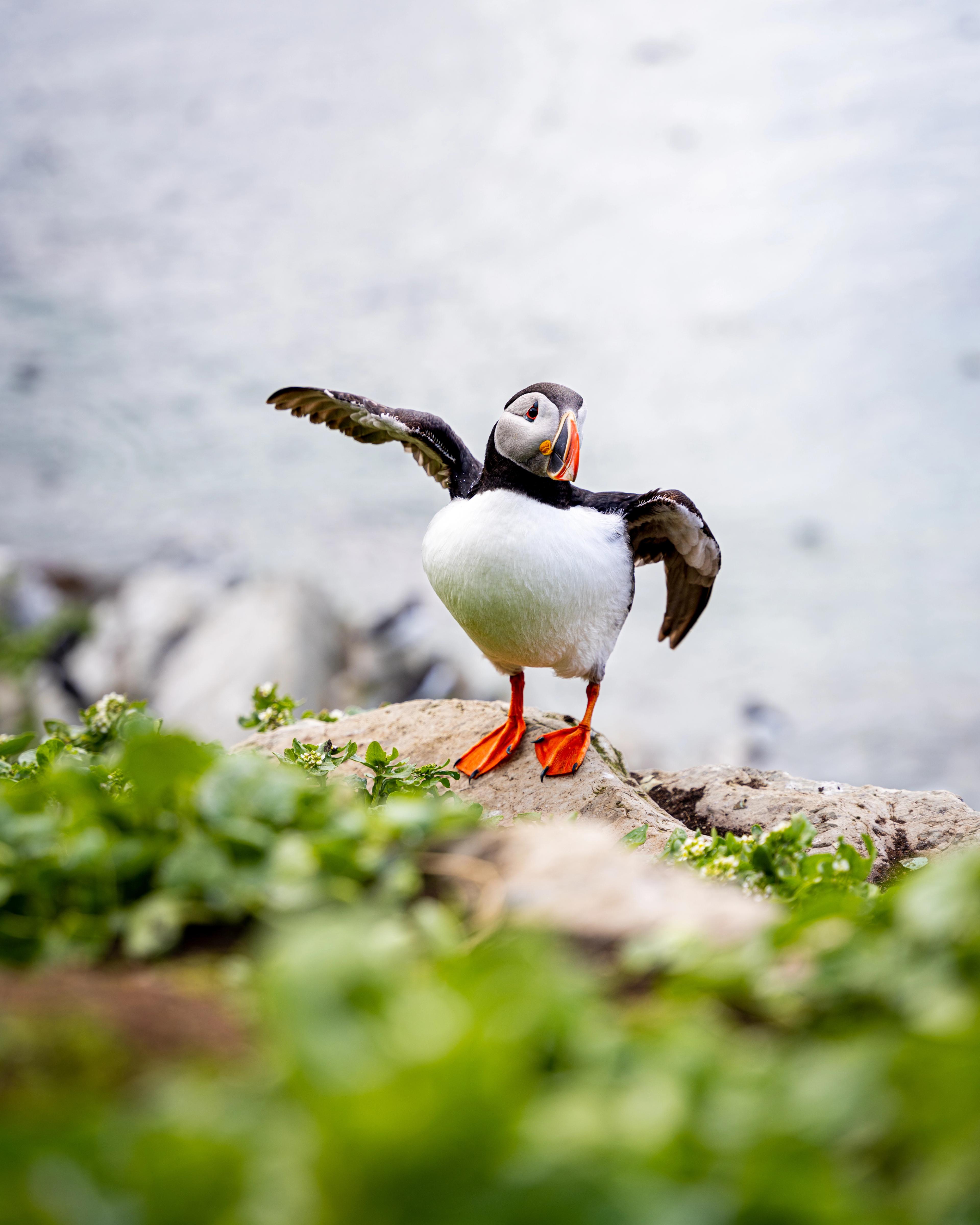
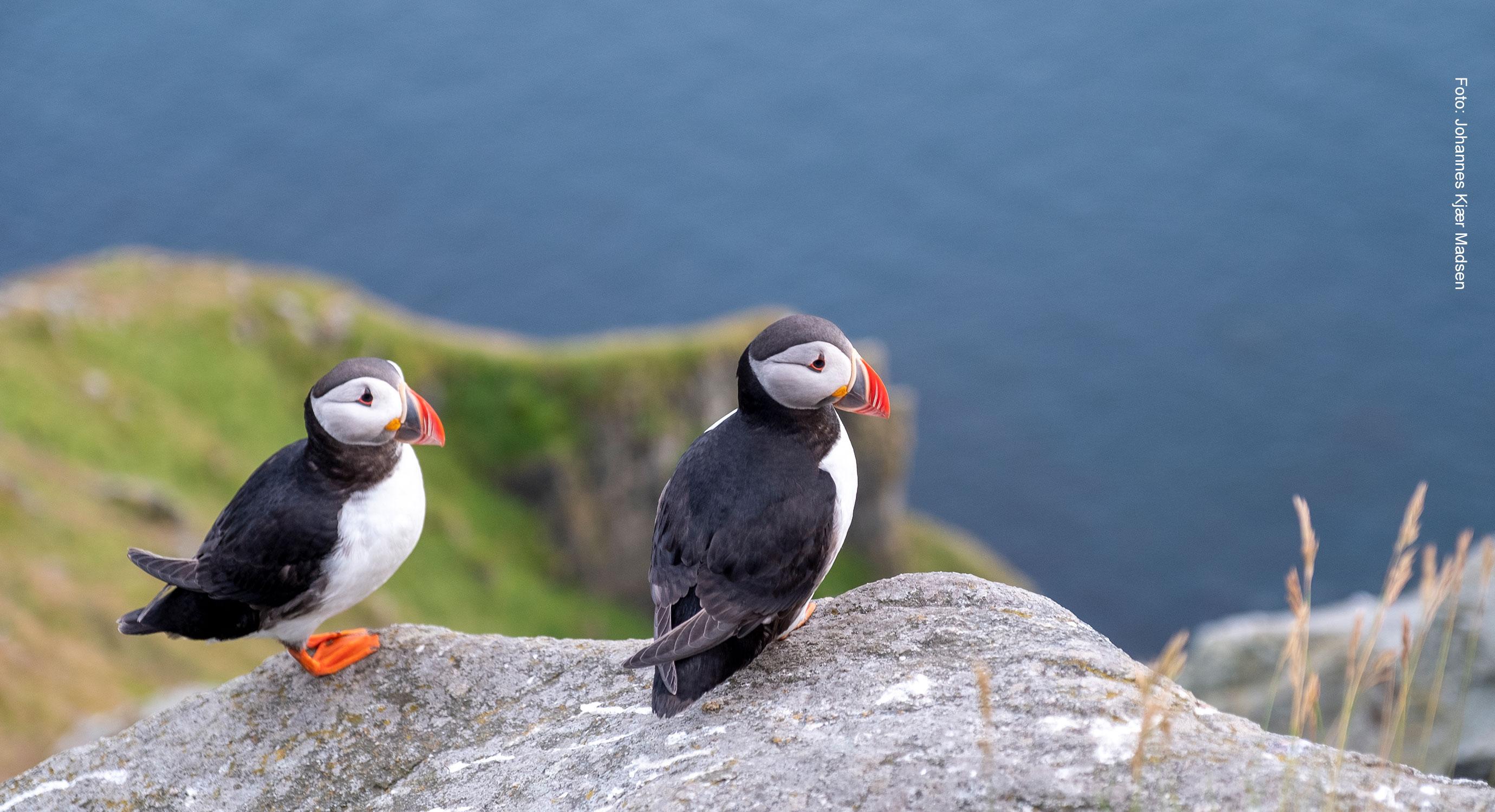
E ammira le grandi colonie di pulcinella di mare quando arrivano sulla costa per riprodursi.
Che tu sia un appassionato birdwatcher, un fotografo naturalista, o semplicemente ti piaccia osservare gli uccelli liberi nella natura, la Norvegia è un paradiso!
Scopri la ricca fauna
Delle circa 9.000 specie avicole del mondo circa 300 hanno il loro habitat naturale in Norvegia e inoltre, in certi luoghi e in certi periodi dell’anno, si possono avvistare altri 200 uccelli rari.
Le aquile di mare si possono osservare lungo tutta la costa, dalla Norvegia meridionale fino a Varanger nella Norvegia settentrionale, e ci sono tanti entusiasmanti tour guidati per avvistarle a cui puoi partecipare.
“Il birdwatching e i giochi all’aperto sul tuo cellulare come Pokémon GO hanno in fondo la stessa forza trainante, che attira chi ama esplorare”, dice Bjørn Olav Tveit, autore di A Birdwatcher’s Guide to Norway.
“Il piacere di fare birdwatching sta nell’esplorare un ambiente naturale che altrimenti ti perderesti. Più prendi gusto a questo hobby, più scopri”, afferma. “Localizzare e trovare una specie rara è come prendere all’amo una grossa trota. È tutta una questione di tattica, conoscenza e resistenza.”
“Prendi ad esempio il Luì boreale. Canta solo per due settimane a fine giugno, nella densa foresta di betulle che circonda la bellissima chiesa di Neiden, nella regione del Finnmark vicino al confine russo. Per il resto dell’anno questa specie è praticamente impossibile da localizzare.”
“Vocalmente il canto è piuttosto monotono e noioso”, ammette Bjørn Olav. “Ma il fascino sta nel tempismo, nel luogo e nell’esperienza di una natura intatta. Specialmente quando sai che quello è l’unico posto in Europa all’infuori della Siberia dove puoi aspettarti di trovare questo piccolo uccello canoro del nord.”
Rispetta l’ambiente
I birdwatcher sia norvegesi che stranieri sono perlopiù persone educate che ci tengono a mostrare rispetto per l’ambiente.
“Esiste un codice di comportamento comune non scritto - rispettare la natura e gli animali”, dice Bjørn Olav.
Purtroppo capita che vengano depredati i nidi. Ma badate: “gli appassionati birdwatcher e gli abitanti del posto di solito prestano attenzione ed eventualmente chiamano la polizia se vedono persone o veicoli sospetti vicino ad esempio al nido di un girfalco protetto”, avverte Olav.
“L’osservazione degli uccelli è positiva per l’ambiente perché fa prendere coscienza a più persone della fragilità della natura e della rarità dei suoi animali selvatici”, continua e aggiunge: “Ad esempio i birdwatcher mantengono una distanza appropriata usando il cellulare per fare fotografie attraverso il binocolo. Puoi ottenere perfino una buona registrazione dei suoni da una distanza considerevole.”
Se vuoi provare anche tu a osservare gli uccelli puoi scaricare delle app illustrate come “Birds of Northern Europe” e “Collins Bird Guide”, che includono registrazioni dei canti e dei richiami di tutte le specie che puoi sperare di incontrare.
Birdwatcher da tutta la Norvegia riportano le loro osservazioni più recenti sul sito Artsobservasjoner.no.
Dove osservare gli uccelli selvatici
Prepara l’attrezzatura, vai sul posto, sii paziente e resta in ascolto. Ecco alcune aree fantastiche dove potresti andare per fare birdwatching in Norvegia.
Una lunghissima costa
La costa della Norvegia ospita le famosissime colonie di uccelli marini. Isole come Runde vicino a Ålesund, Røst alle Lofoten e Lovund sulla costa dello Helgeland, sono quasi bibliche nel mondo ornitologico norvegese e includono enormi colonie di pulcinella di mare (Fratercula arctica).
La penisola di Varanger nel Finnmark è indubbiamente una delle migliori aree in Europa per l’osservazione degli uccelli. Qui si trovano specie propriamente artiche come l’Edredone di Steller (Polysticta stelleri), il Re degli edredoni (Somateria spectabilis), l’Uria di Brünnich (Uria lomvia) e la Pispola golarossa (Anthus cervinus), ma anche specie scandinave come l’Ulula (Surnia ulula), il Picchio tridattilo (Picoides tridactylus), la Cincia siberiana (Poecile cincta), la Ghiandaia siberiana (Perisoreus infaustus) e l’Allocco di Lapponia (Strix nebulosa).
La Norvegia settentrionale ospita anche la maggior popolazione in Europa di aquile di mare coda bianca. Da qui le specie si sono diffuse lungo quasi tutto il litorale norvegese e le aquile della Norvegia sono perfino state portate in Scozia per ripopolarla con questo maestoso uccello.
Anche le idilliache isole di Smøla, nella Norvegia dei fiordi, sono una meta fantastica per avvistare le aquile. Si dice che questa zona abbia una delle popolazioni di aquile di mare più consistenti al mondo.
Nel Trøndelag dovresti visitare Ørlandet, sulla costa di fronte a Trondheim. Quest’area è una delle zone umide più importanti della Norvegia e un punto di sosta naturale per gli uccelli migratori. Più all’interno, nel fiordo di Trondheim, l’isola di Tautra è un luogo ideale per il birdwatching, dove scoprire oltre 269 specie diverse.
Birdwatching in periferia
Il lago Østensjøvannet, pochi chilometri a sud-est del centro di Oslo, è un lago poco profondo ed eutrofico che presenta un habitat non comune in Norvegia. A ovest della città si trova una riserva naturale e osservatorio avifaunistico a Fornebu. La seconda città della Norvegia, Bergen, è nota per il suo habitat montano e le foreste di conifere, che si possono esplorare senza neppure lasciare la città.
Fare birdwatching
Trova il luogo perfetto per osservare le specie di uccelli che preferisci o partecipa a un tour guidato di birdwatching.
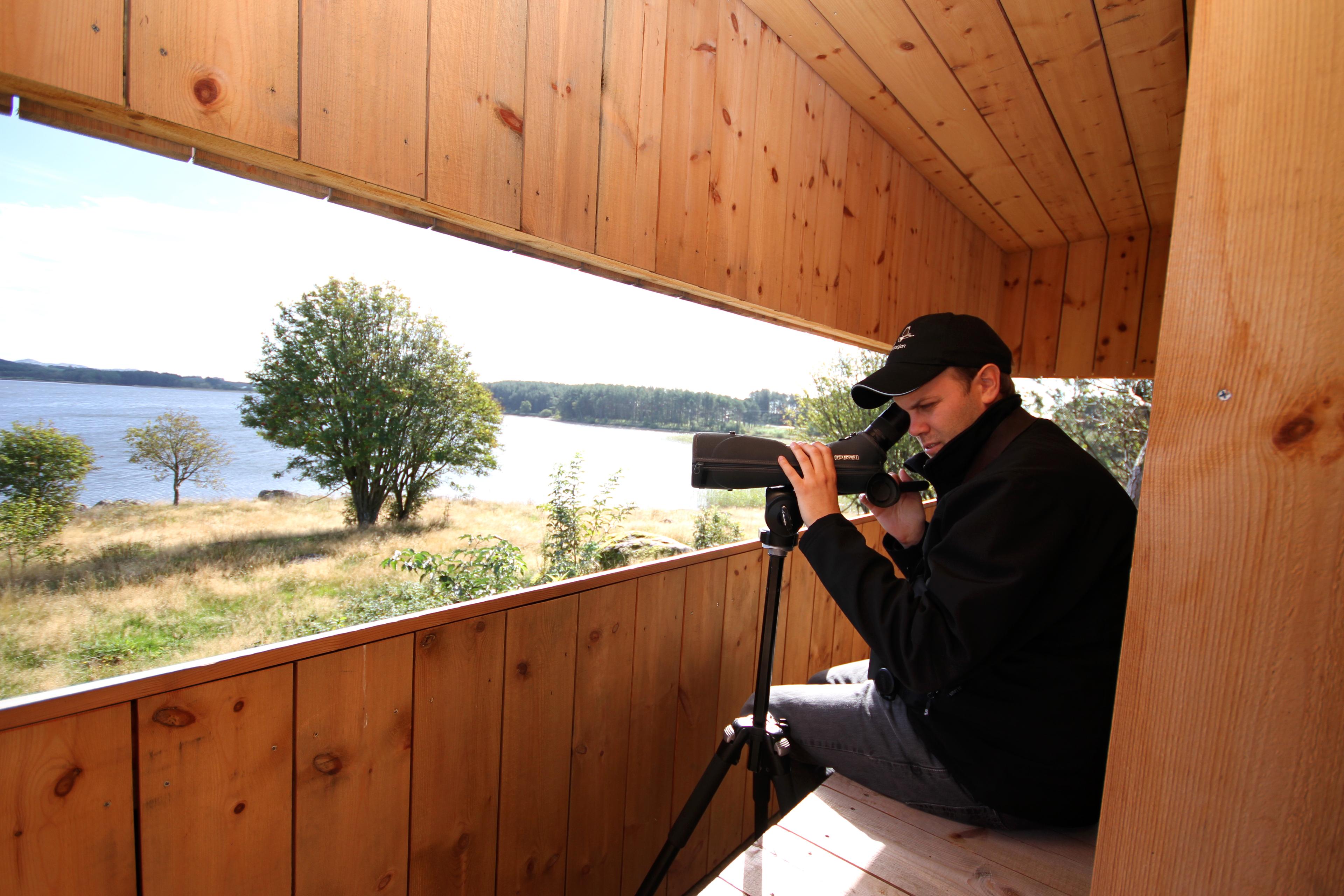 Borhaug
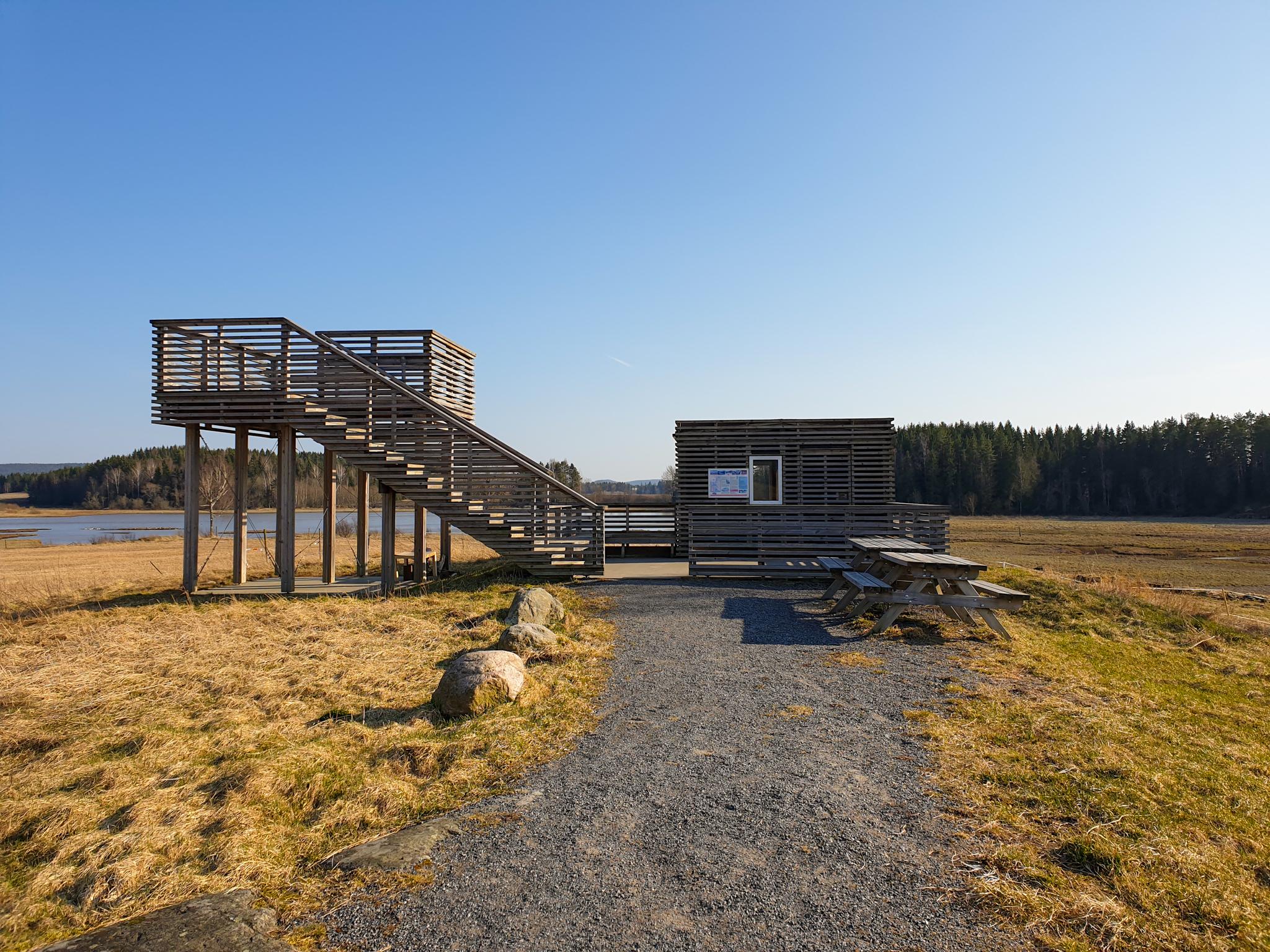
Lista Bird Observatory - Bird watching in Lista
The Lista region has one of the highest population of different birds. They travel from all over the world to feed in Lista during the autumn, before making their long journey to the southern part of Europe. There are bird watching stations at Lista Fyr, Harnanger and other locations around the area.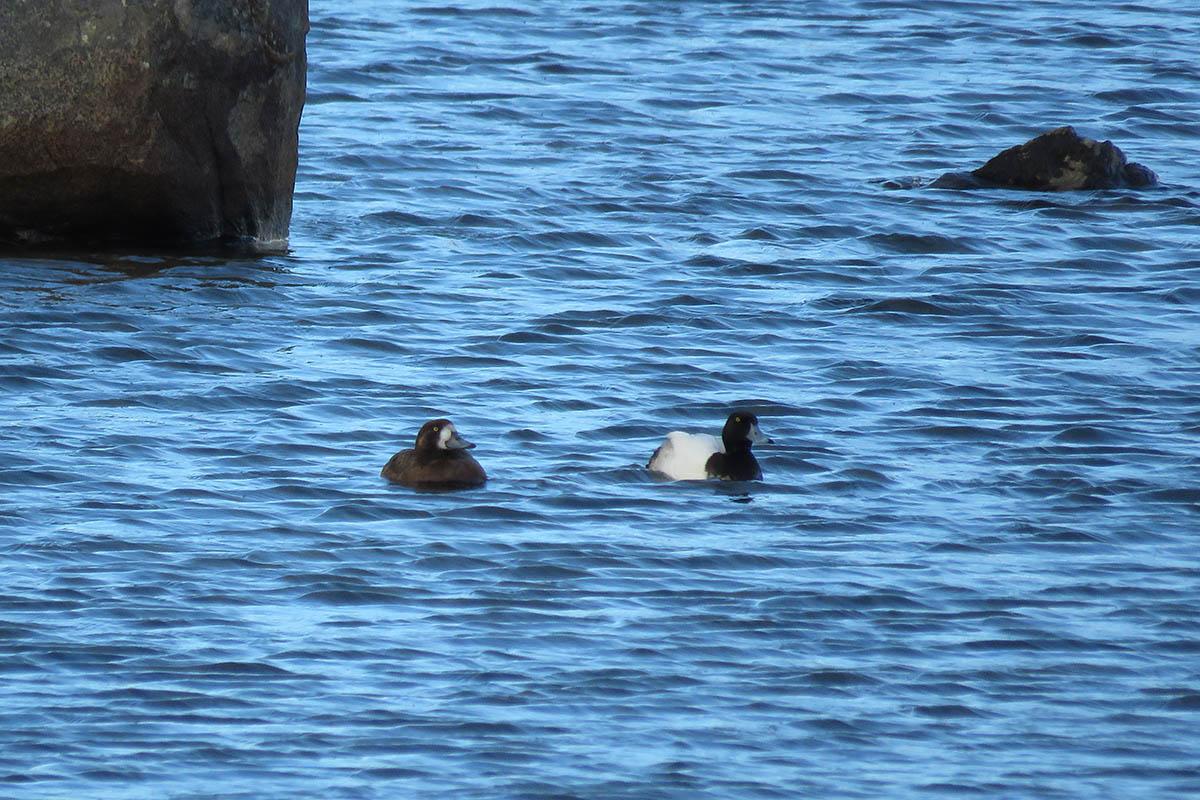 Beitostølen
Birdwatching - Valdresflye
Valdresflye is an alpine high mountain plateau south east of Jotunheimen and north west of Langsua National Park in the municipalities Øystre Slidre and Vågå. A number of sought-after mountain species can be found here. Many of them can be spotted right from the car, by driving slowly over the plateau (make use of the long lay-bys on both sides of the road to not obstruct traffic). The highest section of the road is usually the most productive. This tactic works especially well early in the season when the ground is still snow covered and the birds gather on bare spots and rocks close to the road. Later in the season we recommend to bird on foot. Park close by the café Flye1389 at the highest point of the road and follow the marked (but not signposted) trail towards the top of Fisketjernnuten (1527 m.a.s.l.). Temminck's Stint should be fairly easy to locate by ear and is found around the larger boulders close to the road. Northern Wheatear and Meadow Pipit are numerous. Further up (from approx. half way up the hill) Shore Lark and Rock Ptarmigan can be encountered. From the summit, continue off track in a north-easterly direction to the steep hillside towards Heimdalen. On the snow fields below the top plateau, Snow Bunting usually can be found well into summer. Return along the same way or descend off-track in a southerly direction where the mountain side is less steep. On rock fields at the foot of the mountain, Lapland Longspur (Lapland Bunting) is possible. On the Fisketjerna lakes there are often ducks, sometimes Long-tailed duck among them. To identify them a telescope is needed. Common Ringed Plover and Purple Sandpiper are easiest to find by walking around the lakes on the western side of the road. During some years Long-tailed Skuas visit Valdresflye, and Rough-legged Buzzard can be seen hunting overhead. In the cliffs on the eastern side of Synshorn (south of the Valdresflye plateau), kestrels usually breed. Around Heimdalsmunnen (north of the Valdresflye plateau) try for Ring Ouzel, Northern Wheatear and Bluethroat in the willows and the hillside towards Brurskardknappen. On the opposite side of the road, towards Leirungsdalen, Golden Plovers breed. Birding on Valdresflye can easily be combined with Jotunheimvegen. Directions: By car from either south or north along road 51 onto the Valdresflye high mountain plateau. By bus from Fagernes/Beitostølen or Vågå/Lom from approx. medio June (www.jvb.no and www.innlandstrafikk.no). Best season: From early June (depending on the snow conditions) to approx. medio July, preferably early during the day.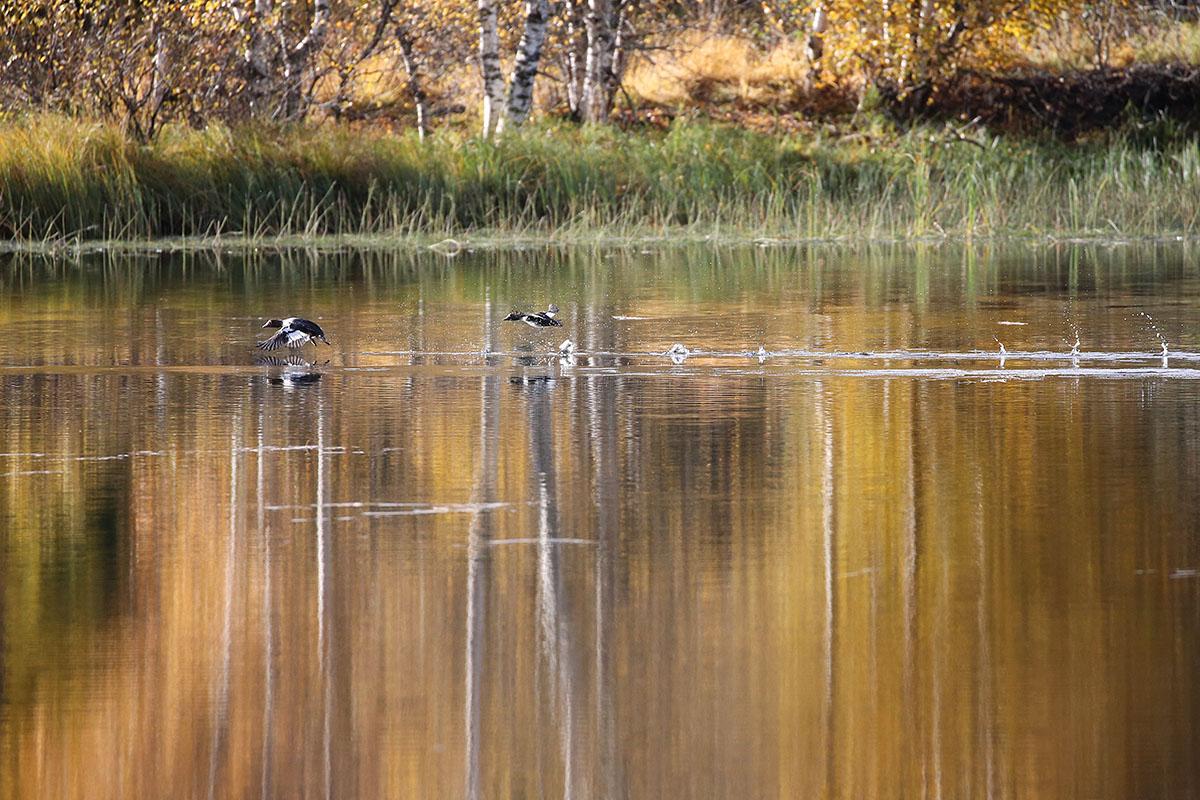 Lomen
LomenBirdwatching - Lomendelta
The Begna river forms a small delta where it mouthes into Lake Slidrefjorden (366 m.o.h.). This is an important stopover and refueling area for water birds in the upper Valdres region and is protected as Lomendeltaet Bird Sanctuary. A visit is primarily recommended during spring and autumn migration. Recorded species include Common Crane, Common Merganser, Arctic Diver, Horned Grebe, Whooper Swan, Mallard, Eurasian Wigeon, Common Goldeneye, Tufted Duck, Eurasian Teal and even occasionally Garganey. In addition to the water birds, you might find waders as Eurasian Curlew, Greenshank, Common, Green and Wood Sandpiper, Common and Jack Snipe, Spotted Crake, Northern Lapwing, gulls like Mew Gull and Black-headed Gull, Great Cormorant and passerienes as White and Grey Wagtail, thrushes, warblers, Dunnock, and Yellowhammer (to name a few). Keep watch for overflying raptors such as Kestrel and Rough-legged Buzzard. Directions: To get an overview and scan the area with a spotting scope, exit from the E16 approx. 200 m west of Lomen Auto and drive downhill to Lomen kraftstasjon (power station). From here, you can overlook and scan large parts of the outer delta area. Otherwise, exit towards Riste bru and park before the bridge (on the right). Scan from the bridge in both directions (binoculars) and explore on foot towards Hålimo Camping as well as along the driveway (closed for vehicles) upriver from the parking.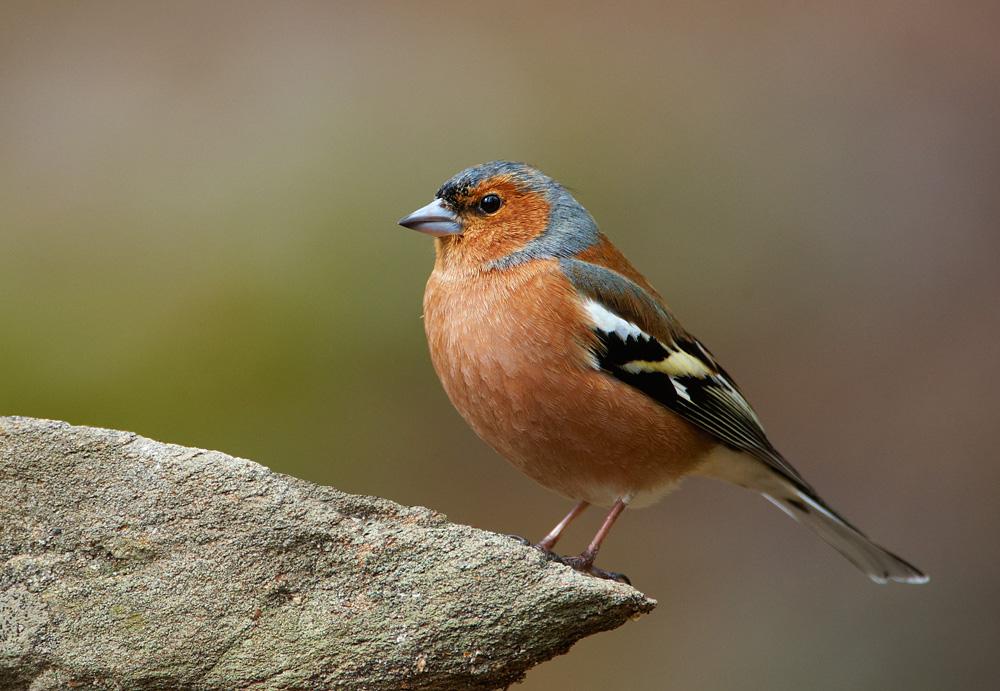 Gvarv
GvarvBirdwatching in the middle of Telemark
The Norwegian Ornithology Association of Telemark was started in 1968. It is the county group for the Norwegian Ornithology Association. Goals and tasks of the association include: to be a go-to partner for people in the general public interested in birds—to protect nature, especially birds—to stimulate interest in and better knowledge of birds and their lives. Bird watching in Telemark—Sauherad has an exciting bird community, as does the Bø river and the northern park of Telemarkvassdraget where it runs into Norsjø. Nome: Øra, Nomevann.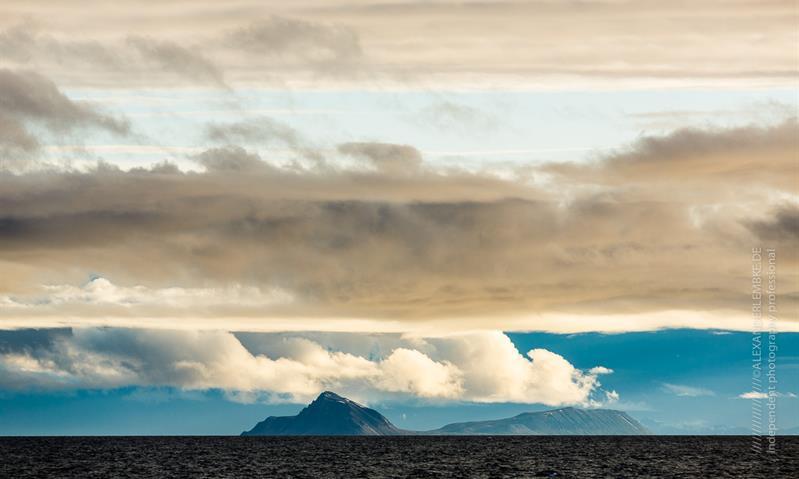 PrenotaLongyearbyen
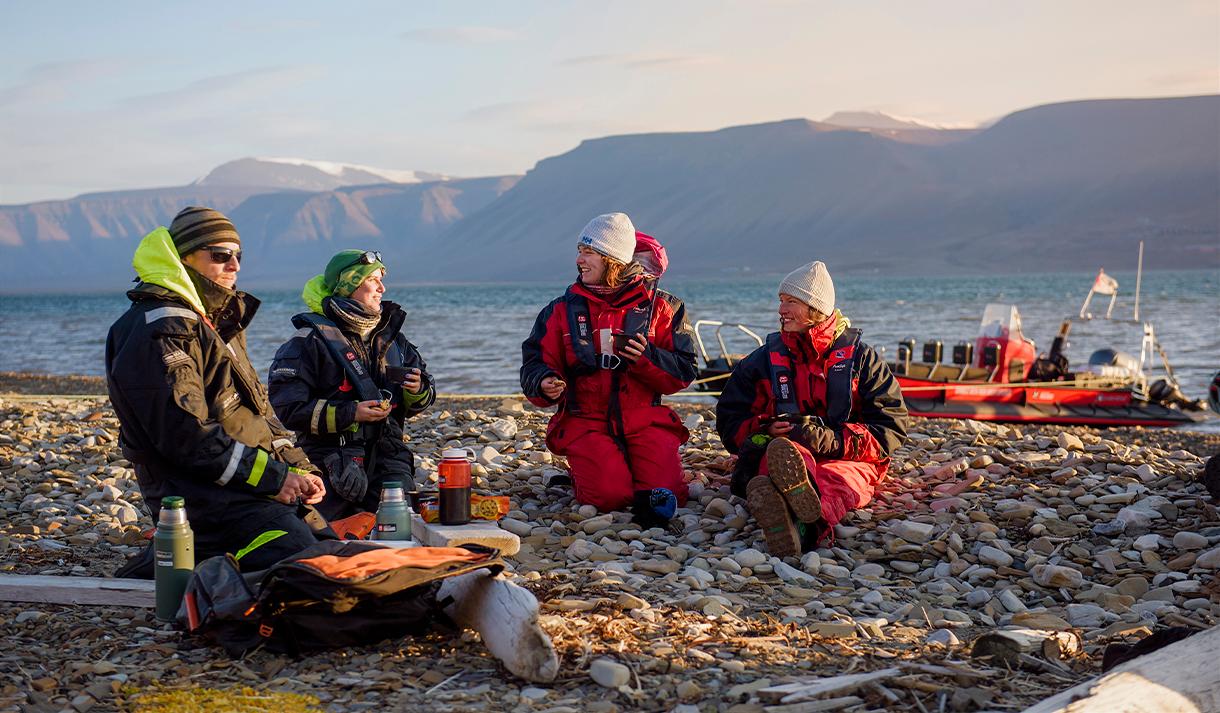
Bird Spotting Excursion, followed by Arctic BBQ - Spitzbergen Adventures
The summer season is owned by the birds. During those weeks we have a lot of bird species coming to Svalbard. They are all so wonderfull and deserve a special focus. Join us on a tour which puts the spotlight on those amazing creatures. If you are an ornithologist with special interests let us know before the tour. If you are curious about birds and would like to spend your time looking at them, our guide will give you more information.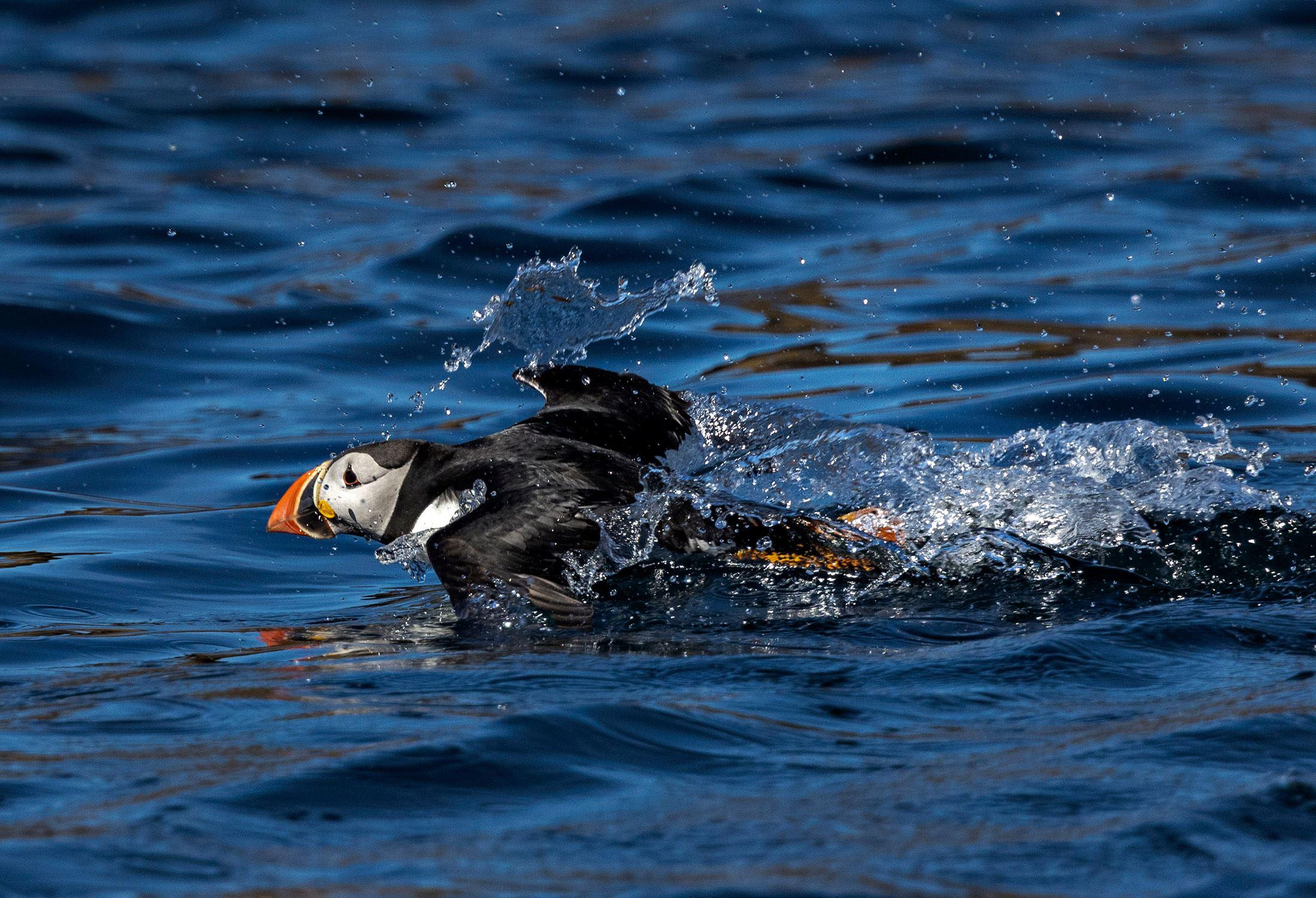 Myre
MyreSeal and bird safari - Seasafari Øksnes
Between 15th of April and 15th of August we get a horde of seabirds arriving at Anda lighthouse and the area outside Stø and Nyksund to nest. With steep mountain sides, beautiful views and a coast full of culture and history, this is an experience that you should make. Do the trip and experience the bustling birdlife on the outside with RIB!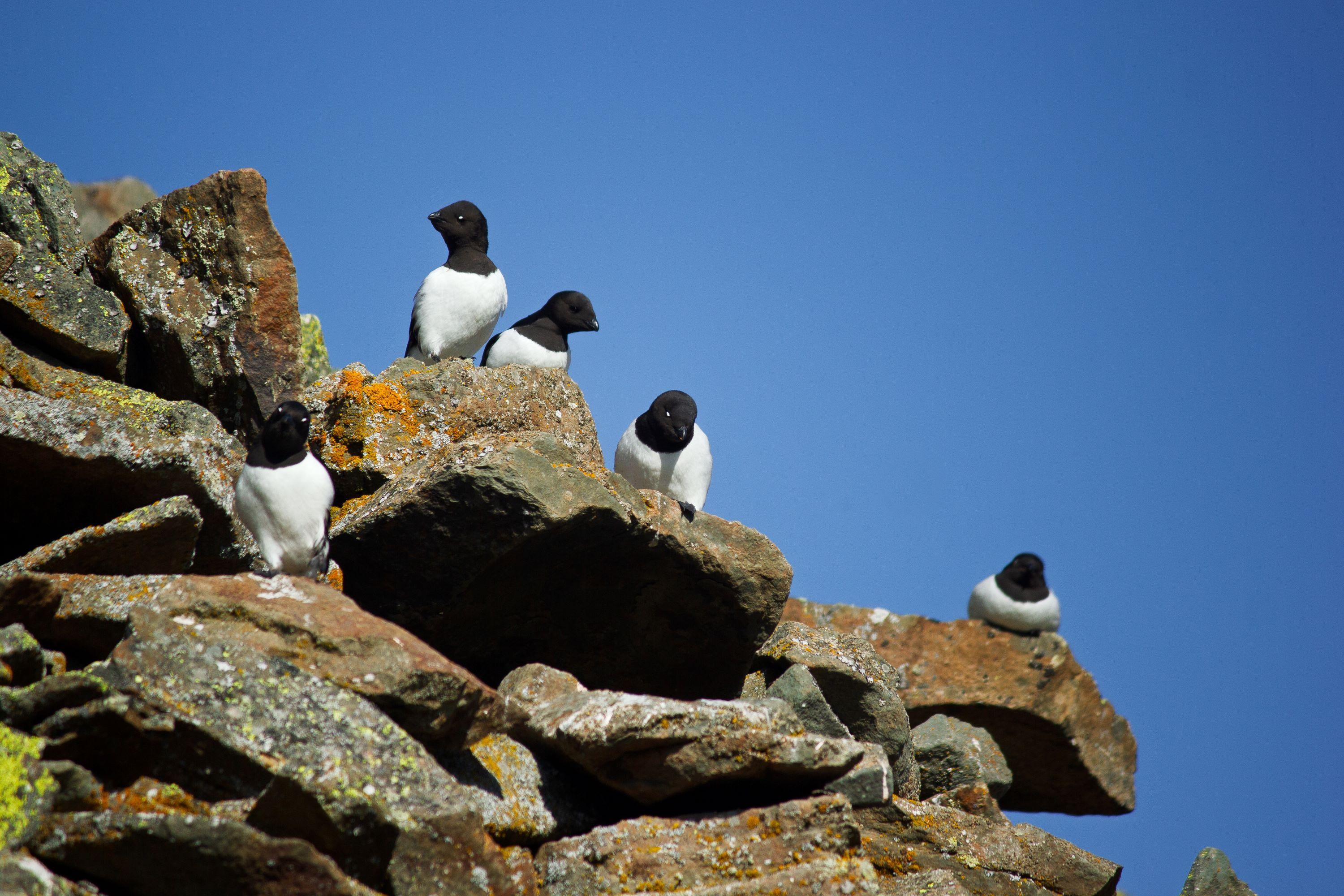 PrenotaLongyearbyen
Stunning views and wildlife - Hike to the bird cliff Fuglefjella - Snowfox Travel
A true nature hike through the stunning valley of Bjørndalen, an area which is full of flora and fauna and where we might be able to observe wildlife. After our climb up to the summit of the bird cliff, we will enjoy the beautiful view over Isfjorden.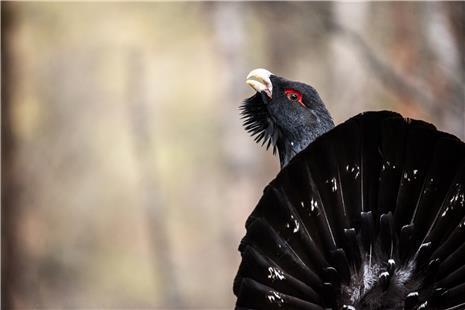 PrenotaOppdal
Bird watching
The wilderness around Oppdal is known for its ecological diversity. With access to ancient forests, wetlands, and high mountains, it is possible to find many bird species within a relatively concentrated area. Go on a bird safari with experienced guides from Oppdal Safari. WOOD GROUSE - IN SPRING The black grouse is often described as “the most beautiful event of spring.” It brings a unique sense of tranquility to wander into the wood grouse forest in the afternoon while enjoying the smells and silence. The forest slowly comes to life after a long winter. After setting up the tent and as dusk falls, you might occasionally hear the wood grouse flying or walking to settle in the trees before descending to the arena the next morning to fight for their place. As soon as the sun begins to rise, the famous clicking and scraping sounds start. Naturally, you wake up to the commotion of the birds around the photo hide. It takes a couple of hours before it's light enough to take pictures, but time flies as these large birds run around the tent displaying their magnificence. The guide will take you to the tent, provide information, and set everything up; you will have the night to yourselves. The guide returns the next morning around nine to pick you up. By then, the birds usually have left the display area and returned to their feeding grounds. BLACK GROUSE - IN SPRING Black grouses is shown on Oppdal’s bogs throughout April and the first half of May, making them a popular sight and photo subject. It's not uncommon for black grouse to stumble over the tent guylines, sometimes coming within the camera's focus range! We head to the show area in the evening and set up the hide. Often, owls can be heard hooting on the bog's edge as you cozy up in your sleeping bag. The black grouse arrive at the show area as soon as night turns into day. The bog mounds around the tent become bustling with activity. The guide will take you to the hide and set up the camouflage. You will spend the night and morning with the blackcocks before the guide returns to pick you up at nine. BIRDWATCHING - IN SUMMER There are no guarantees on these birdwatching tours, but the guide will spend a lot of time early in the season mapping the occurrences as accurately as possible. If you wish to visit on a specific date, the guide can suggest which species you might see during your stay in Oppdal. If you come for one or more specific species, the guide can provide a setup indicating which species can be found at given times. Contact us for a pleasant birdwatching experience! For all tours: Clothing/equipment: Warm and preferably camouflaged clothing, gloves, hat, waterproof footwear, camera and tripod, packed lunch. Duration: Varies. Meeting point: Oppdal train station or another agreed location. Suitable for: Birdwatchers, photographers, families, groups of friends, companies, adventure seekers. Max number of participants: 3-15, depending on which birds you want to observe.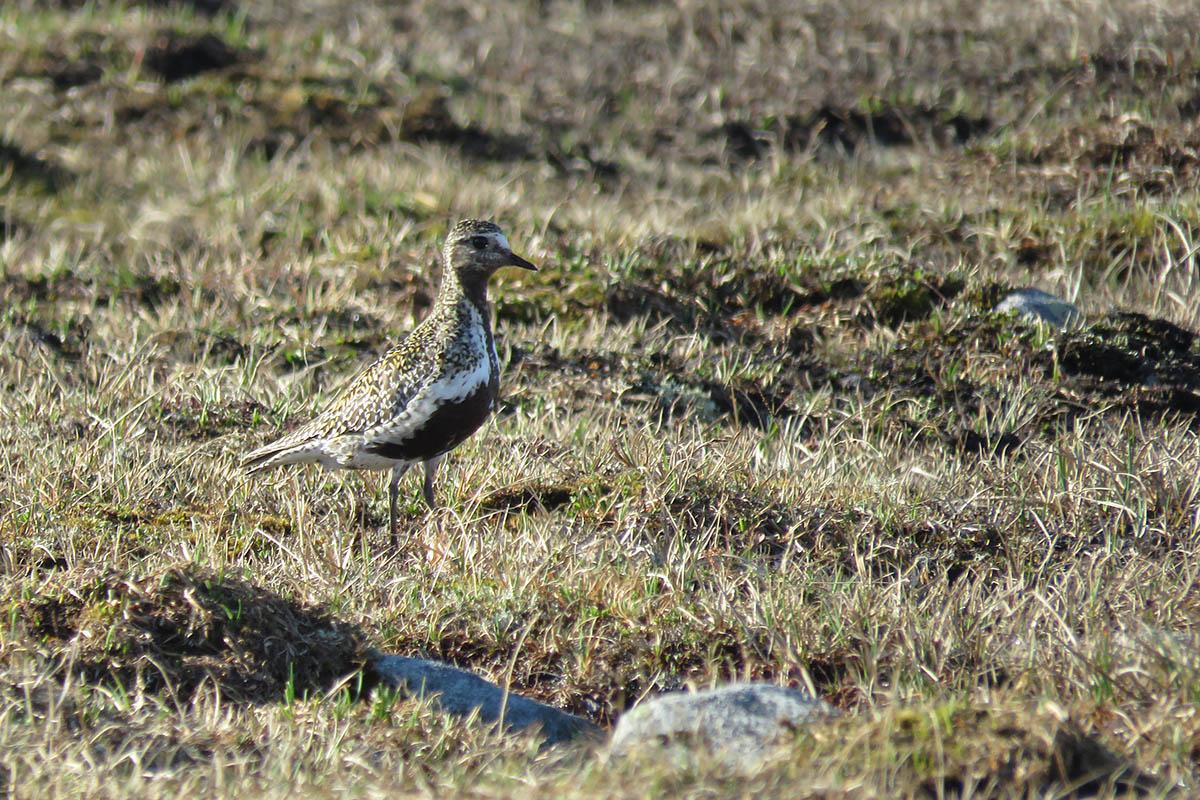 Beitostølen
Birdwatching - Jotunheimvegen
Jotunheimvegen along the northern shoreline of Lake Vinstre is especially productive in good rodent years, which means raptor years, specifically for Common Kestrel, Merlin, Short-eared Owl and Hen Harrier. In 2017, several individuals of Pallid Harrier were present throughout the summer. A few Arctic Terns usually can be observed hunting over the lake. Walks towards Urekkollen and further up Urekdalen, towards Gråhø or Keisaren can produce Bluethroat and Ring Ouzel in the willows and Common Ringed Plover and Golden Plover on flats in higher altitude, towards Keisaren also Common Greenshank. For a chance of Dunlin and Dotterel you have to walk far - all the way through Glupen and towards Valdresflye. At Lykkjestølane you might be able to see Lapland Longspur and Yellow Wagtail. The small lake on the Bjellbøllsøyne Island (south of Lykkjestølane) can hold Red-necked Phaparope (that is also true for the Stavtjerni lakes between the lakes Bygdin and Vinstre, prefereably early during summer). Lake Sanddalstjernet may have Black-throated Diver. Best season: June for waders, all summer through to early fall for raptors and short-eared owl. Directions: Signed exit from road 51 approx. 1.5 km north of Bygdin towards Jotunheimvegen. Tollroad (payable by card only). Tip: Birding along Jotunheimvegen is easily combined with a trip up to the Valdresflye mountain plateau.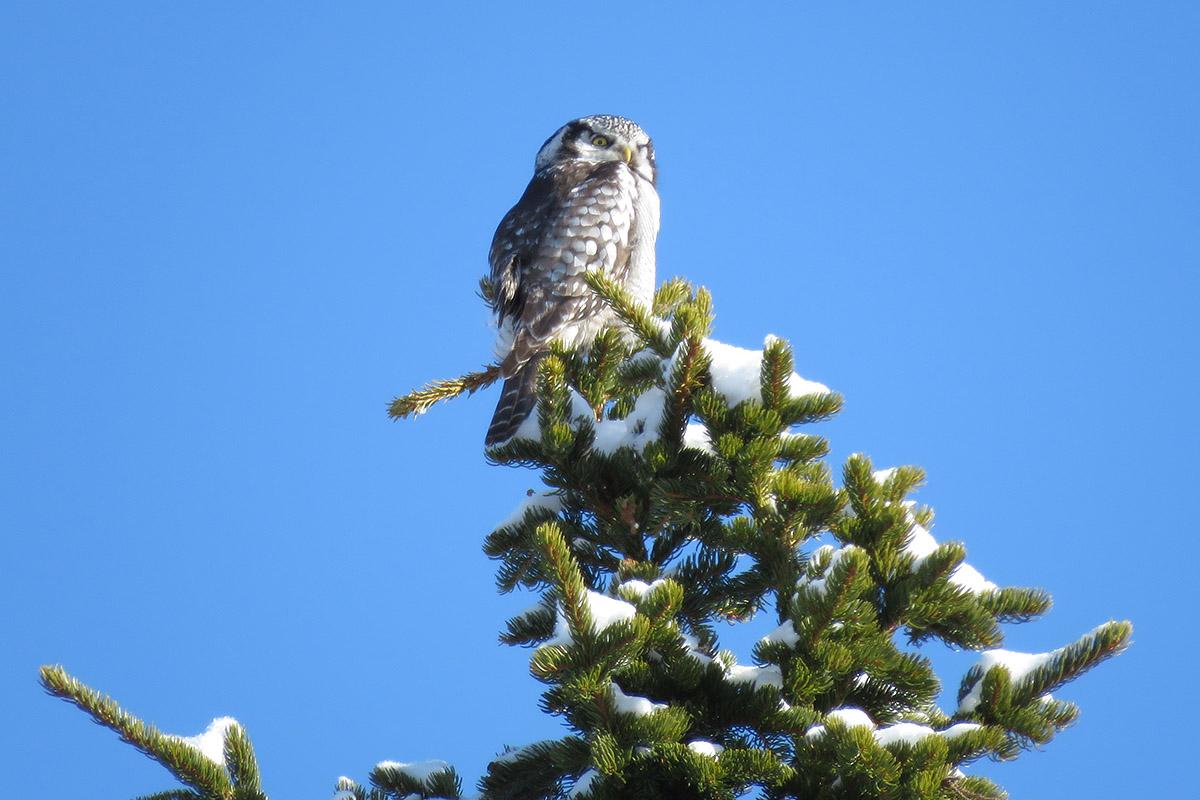 Ulnes
UlnesBirdwatching - Stølsvidda
Stølsvidda is a lower alpine plateau just at the tree line west in Valdres. It lies roughly between Tisleidalen to the southeast, the River Tisleia and Lake Tisleifjorden to the southwest, the Road Panoramavegen to the northwest and the main valley with lake Strandefjorden to the north. This is Valdres' realm of mountain farming with many summer mountain farm that are still in use even today. Cattle and goats graze freely during summer. The best areas for birdwatching lie to the south and southwest with the triangle between Furuset, Gauklia/Brattåsen and Langstølen as the core area. On Stølsvidda you will find a rich birdlife that spans from forest species like Capercaillie and Siberian Jay, open wetlands with a number of waders and breeding cranes to owls and raptors. The area is best explored from the car by driving on the farming roads with some stops along the way. Use your car as hide and bring a telescope. A popular round drive, among local birders called "the pizza circuit", is to drive to Tisleidalen and from the Joker store to follow the road Tisleivegen via Hermannstølen, Fløten and Furuset to Langestølen and from there to Vaset - either via Tyrisholt and Brattåsen or via Nøsen and along the road Panoramavegen - from where you return to Fagernes. Side trips and detours via Gauklia and towards Jaslangen are recommended. Typical species: From the toll barrier to Hermannstølen: Siberian Jay, Bullfinch and tits Around Hermannstølen: Black Grouse and Northern Hawk Owl during spring (March to April) Between Hermannstølen and Fløten: Capercaillie during spring (March to April) Around Fløten: Black Grouse and Northern Hawk Owl during spring (March to April) Between Fløten and Langestølen: Common Crane (April to May), Three-toed Woodpecker (year round), Tree Pipit (summer) At Langestølen: Black Grouse and Northern Hawk Owl during spring (March to April), Common Crane and waders such as Common Snipe, Northern Lapwing and Eurasian Curlew as well as Whinchat, Yellow Wagtail and Short-eared Owl (with luck Long-eared Owl) in May, Eurasian Wryneck and Lesser Spotted Woodpecker in June (the two latter in the birch forest north towards Flya) River Flya (where it flows close to the road): White-throated Dipper Around Tyrisholt: Bluethroat and Northern Wheatear in May-June, Great Snipe in the dwarf willows between Tyrisholt and Brattåsen in June, Short-eared Owl and Common Crane in May-June Around Brattåsen: Common Kestrel, Willow Ptarmigan Around the ponds south of Gauklia: Velvet Scoter, Black-throated Diver, Whimbrel and Curlew, Hen Harrier (and even Pallid) in May-June Jaslangen/Bridge over the River Buaråne: Common Redstart, Common Merganser/Goosander, White-throated Dipper At Rennsenn: Common Crane (in pairs from late May-June) River Sundheimselvi (Ulnes): White-throated dipper (all year) Tips: Start very early in the day, preferably before sunrise from the Joker store, and use the whole day in the area. The Black Grouse lek is often over an hour or two after sunrise. Directions: Via Tislevegen (toll road), exit from road 51 at the Jokers store in Tisleidalen or from Vaset via Road Panoramavegen (toll road). The toll fees can be paid by credit card.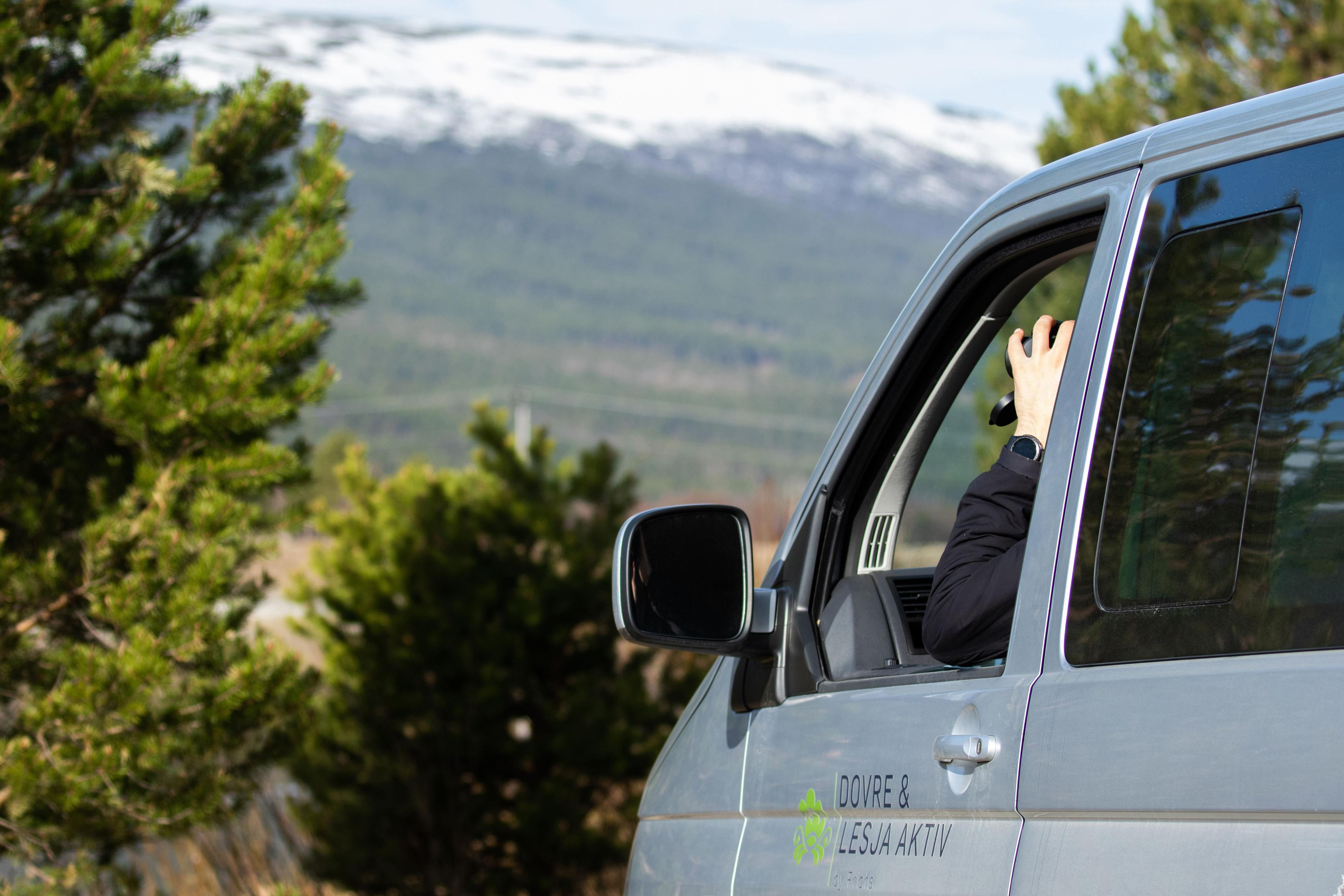 Hjerkinn
Birdwatching with Dovre og Lesja Aktiv
BIRD WATCHING IN LESJA - BY CAR When & where? May 6 - May 31 (Sunday, Tuesday&Thursday) 08:00 Sentralplassen 3A, Dombås (outside Frich’s Kafetaria) How early this safari can be arranged depends on snow melting/temperature. If spring comes early, this trip can be arranged in april too.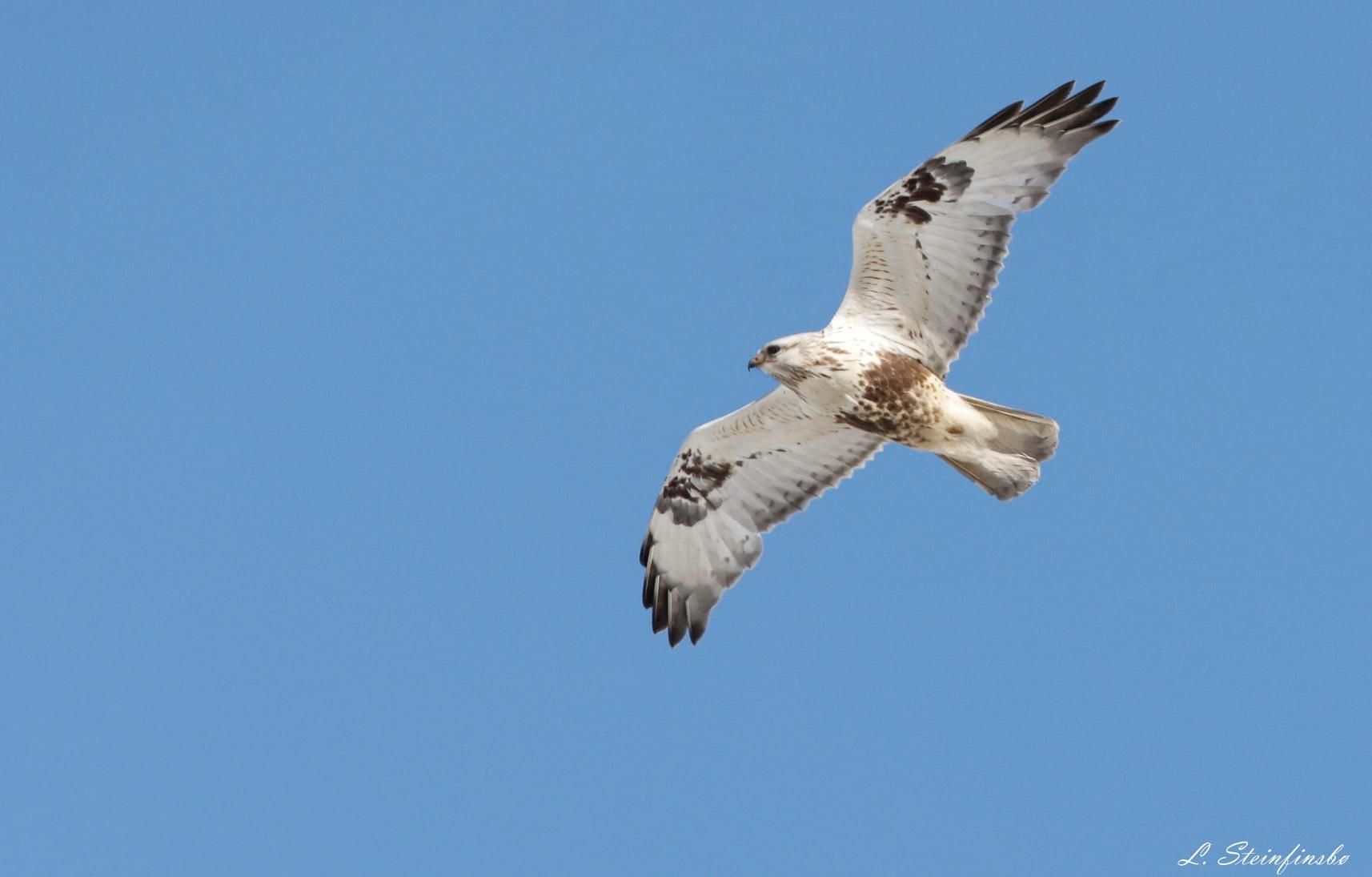 Etnedal
Birdwatching - Langsua NP and Hynna
The region between Gausdal and Valdres has had several names, such as Gausdal Vestfjell and Huldreheimen. After the extension and renaming of the former Ormtjernkampen National Park to Langsua National Park, however, Langsua has become the most commonly used name for the whole area. This is a large area with a distinct wilderness character featuring high altitude wetlands and montane spruce and birch forests. In connection to the Langsua National Park several nature reserves have been established, i.e. Røssjøen Nature Reserve, Oppsjømyra Nature Reserve and Hynna Nature Reserve. The bird life is represented by species typical for this environment. Here you will find Willow Ptarmigan, Black-throated Diver, Slavonian Grebe, Hen Harrier, Common Crane, Whimbrel, Common Greenshank, Green Sandpiper, Short-eared Owl, Whooper Swan, White-throated Dipper, Great Grey Shrike, and Siberian Jay, as well as Great Snipe and even Broad-billed Sandpiper. For the latter two the area is among the most important breeding grounds of the species in Norway. Of other wildlife, moose are abundant. The area is best explored by foot off the beaten track. You will need equipment and clothing accordingly. Kittilbu: The two lakes called Kittilbutjerna usually hold breeding Slavonian Grebe. At the eastern lake, there's a 3 km long circular cultural path leading through a nice biotope starting at Kittilbu Utmarksmuseum. At the western lake Kittilbutjønna, there's a bird hike close to the road. Oppsjømya: Lake Oppsjøen usually has at least two pairs of Black-throated Diver as well as Whooper Swan. Whimbrel, Green Sandpiper, Common Greenshank and in some years Broad-billed Sandpiper breed in the wettest parts of the wetland. The surrounding montane birch forest is home to Brambling and Redwing. Røssjøen/Ongeltjerna: Explore the areas on both sides of the road between Lenningen and Lundesetrene. In the hillside south of Røssjøkollane you can find the rare bearded bellflower (Campanula barbata), which has an isolated occurance just here in this limited area and otherwise only can be found in the Alps and Carpathian Mountains. To the East the lakes Ongeltjerna are worth a try. If you're lucky, you might find Red-necked Phalarope here, but chances are that it'll be "just" some Tufted Ducks. You might flush a Capercaillie in the forest, though. At Lundesetrene, Yellow Wagtail is a common sight. Hynna: Hynna Nature Reserve is an internationally important wetland with Ramsar-status. Here you will find many vulnerable bird species that need large areas of natural habitat such as Golden Eagle and Rough-legged Buzzard that hunt over the open land and cranes and waders that breed in the wetlands. Northern Hawk Owl may be seen on a lookout in a dead tree top, and on a walk in the light summer nights lekking Great Snipes may be observed. Best season: From early June when the road opens (it is closed during winter) to mid July. The waders start on their southward migration very early. Directions: Road 2442 (also called Vestfjellvegen) from either Fagernes/Etnedal or Gausdal. From Holsbrua, a side road leads all the way to the DNT cabin Liomseter. NB! This is a vulnerable environment. Please behave respectfully and avoid unnecessary disturbances of the birdlife. Please also make sure you have the equipment and knowledge needed for hikes in the wilderness. Stay safe.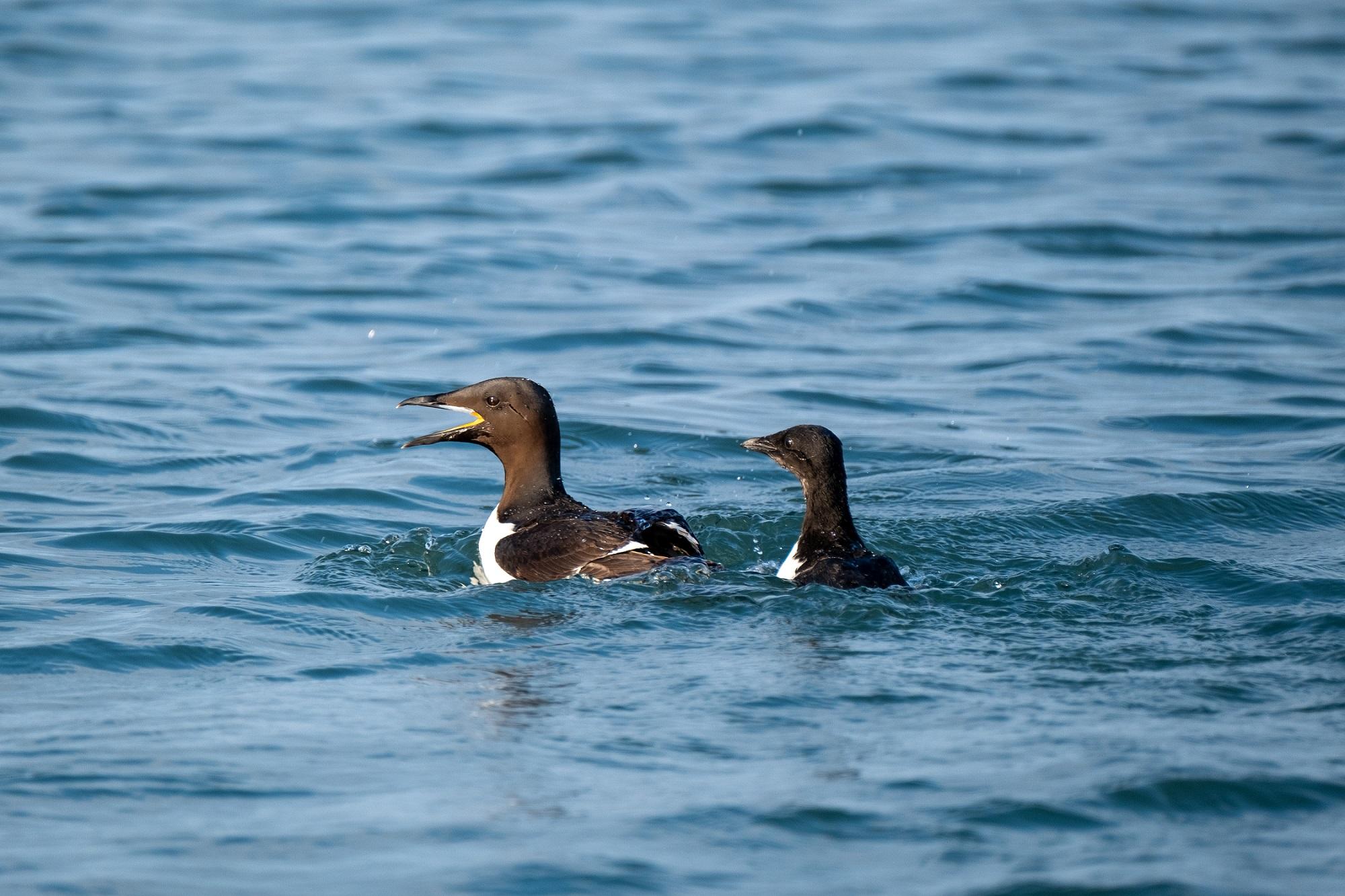 PrenotaLongyearbyen
Meet our Russian comarades in the west - Barentsburg -Better Moments
Better Moments will offer you a chance to see Svalbard's biggest bird event during the summer – The bird jumping. For just a few days in July, the chicks will jump from their nests on the huge bird cliff Alkhorne and we will be there to see them spread their wings for the first time ever.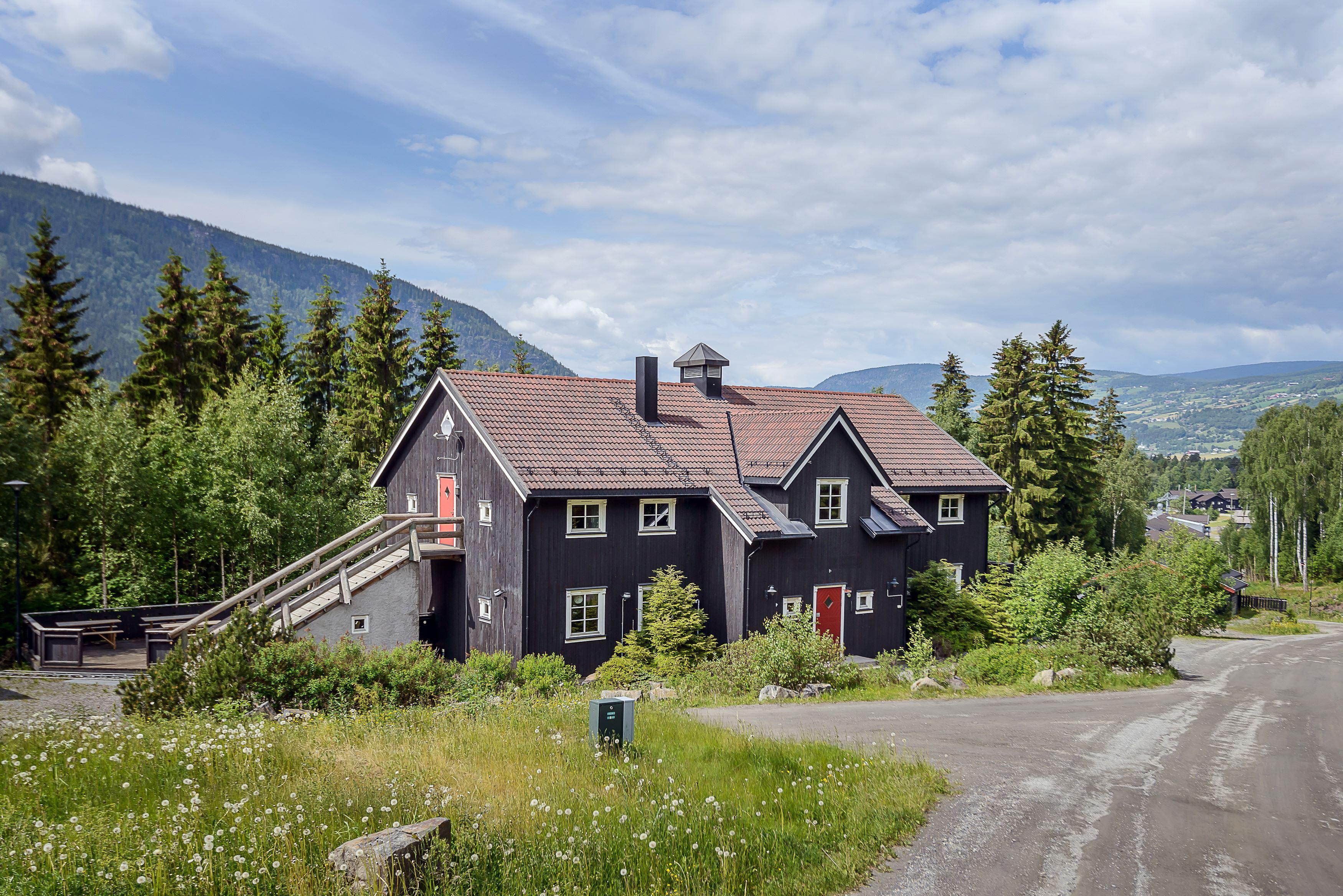 Øyer
ØyerLåven Storhytte
Låven Storhytte in Hafjell extends over two floors and offers 11 bedrooms with a total of 32 beds. The cabin is located in beautiful surroundings at the finish area in Hafjell. It is close to Hafjell Alpine Centre, which offers ski rental, ski school, several restaurants and a gondola. During the ski season you can enjoy ski in and ski out directly from the chalet and there is a large private parking space available. Your stay includes made-up beds, personal towels, comfortable bathrobes and firewood for the fireplace. Pets are allowed at an additional cost.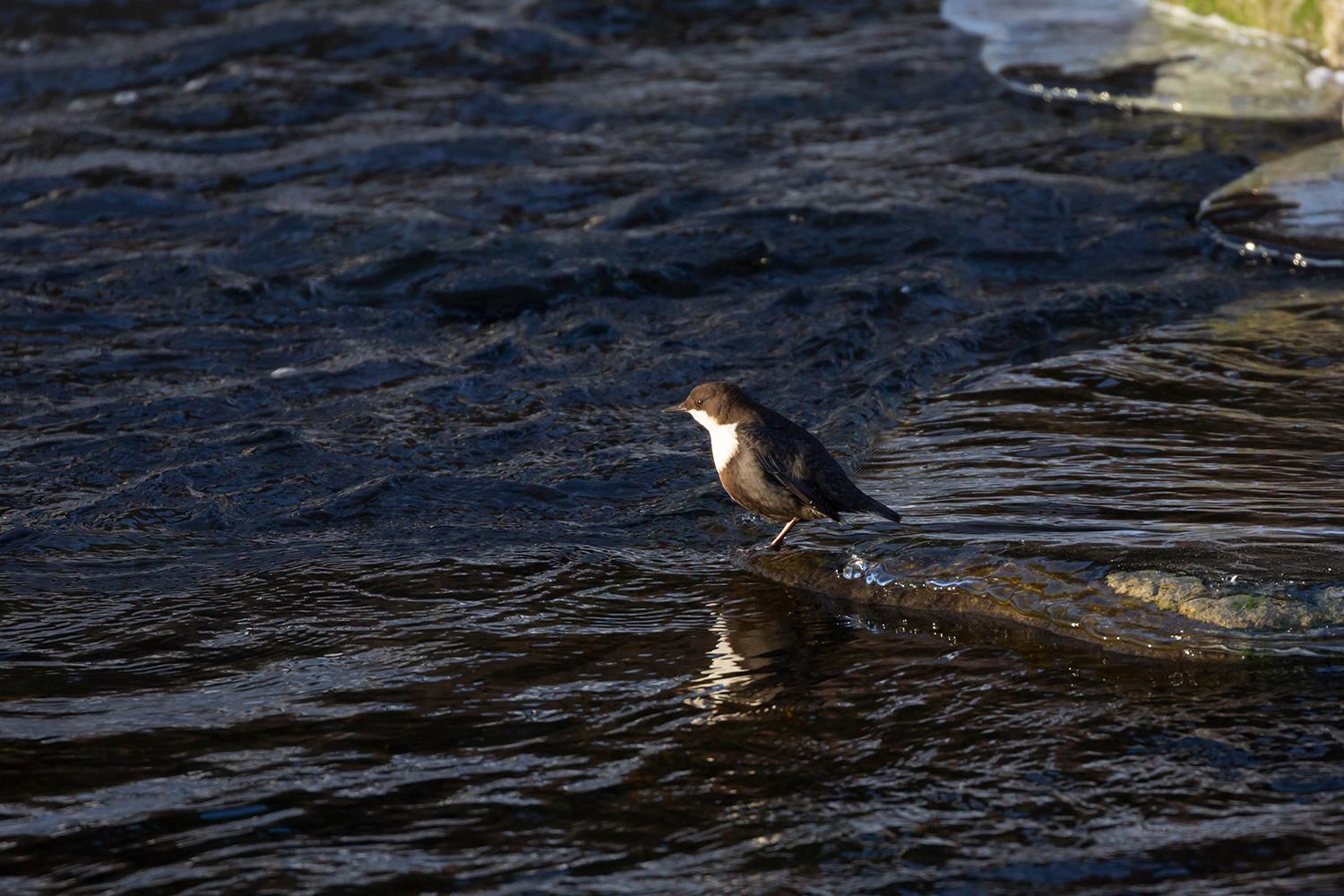 Fagernes
Birdwatching - Fagernes
"Urban birding" has become a thing withing birdwatching. Urban parks and gardens, often around ponds, can hold astonishing amounts of birds. For Valdres' part, it is Fagernes that is the town. Storøya, the peninsula at Lake Strandefjorden where the Valdres Folkemuseum is locted, is one of the places worth a visit, especially during migration and early summer. A natural path leads around and over the peninsula, and a number of species lives here throughout the year. Tits, Tree sparrows, Great spotted Woodpeckers, Fieldfares, Song thrushes, Barns swallows and Common swifts breed in and around the old museum buildings and trees and bushes throughout the area. Early mornings during May and the beginning of June are good for birding by ear, when the air is filled with song. Later during summer, the shrill srrii-srrii calls of the Common swifts fill the air above Fagernes. On the water close to shore Red-breasted mergansers are sometimes seen. European Goldfinches are present all year. The area is accessible for free outside the opening hours of the museum. In the River Neselva between the two pedestrian bridges by the waterfal and at the river mouth White-throated dippers are fairly regular. Especially during winter, several individuals usually can be observed. Around the river mouth below the lower bridge which rarely freezes over completely, sometimes ducks can be seen, too. At downtown Fagernes rowanberry trees av been planted which can attract large flocks of Fieldfares and Bohemian waxwings during late fall. Waxwings tend to be annual in smaller numbers and in a short time window, but in some years with fierce winters in the arctic and when the trees carry especially many berries there can be huge flocks which stay for longer periods. They tend to roost high up in the tops of the large birch trees in front of the town hall and sweep down into the berry trees when "the air is clear" until they are flushed by cars or pedestrians and retreat into the birch tops. If you stand still next to a berry tree, you may get them within 2 meters distance. At Hunkevika at the Spikarmoen-exit along Skrautvålsvegen, some whooper swans normally are present during migration and sometimes well into winter. Common goldeneyes also can be observed in this area.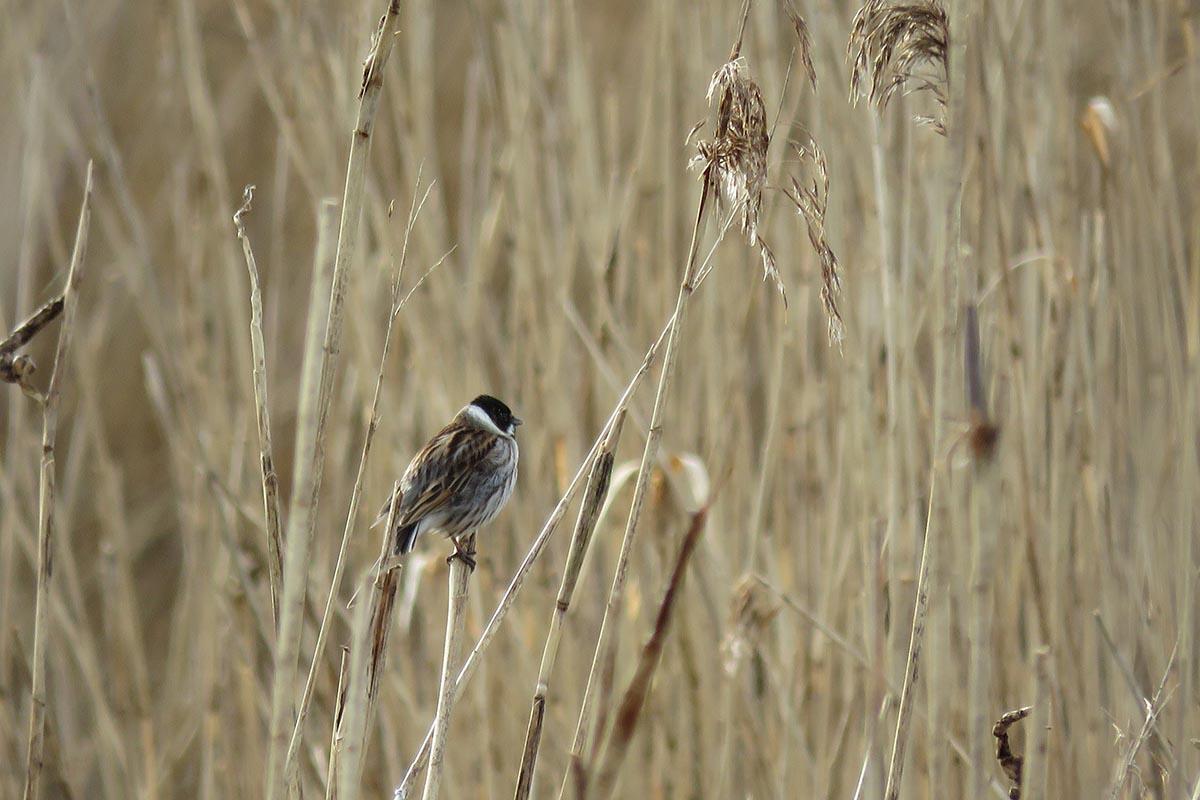 Etnedal
Birdwatching - Langtjedn
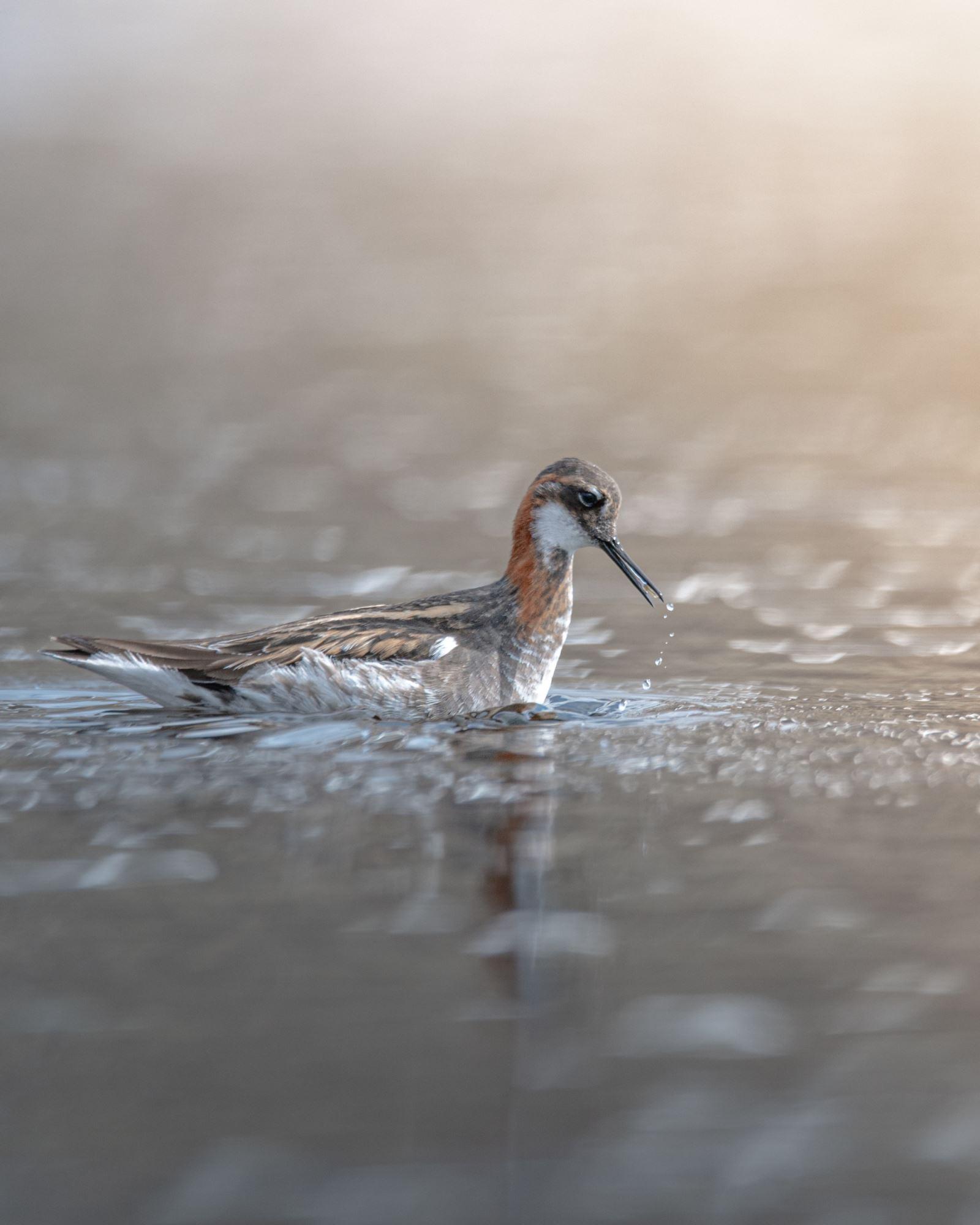
Langtjedn is a small nature reserve which is easily accessible from the road near Gamlestølen in Etnedal. The lake itself is shallow and productive, and it is fringed by varied wetlands and spruce forest. Half of the 82 bird species that have been recorded in the reserve are wetland birds of both lowlands and mountains. Among regular species are Horned/Slavonian Grebe (1 breeding pair), Eurasian Teal, Common Goldeneye, Tufted Duck, Velvet Scoter, Common Snipe, Common Redshank, Green Sandpiper, Eurasian Curlew, Yellow Wagtail, Whinchat, Redwing, Black-headed Gull, Northern Hawk Owl and Siberian Jay. Please act responsibly when visiting and don't disturb the birds. You can move freely in the area throughout the year, but it is not allowed to set up camouflages or tents, fly drones or operate model boats on the lake. Dogs must be kept on a lead at all times.
![images[1]](https://cdn.sanity.io/images/jlrwvnbf/commercial/7a3241117a52ca733a1e88033e64dd7897bf8e45-300x200.jpg?w=3840&q=75&fit=max&auto=format)

Safari alle aquile
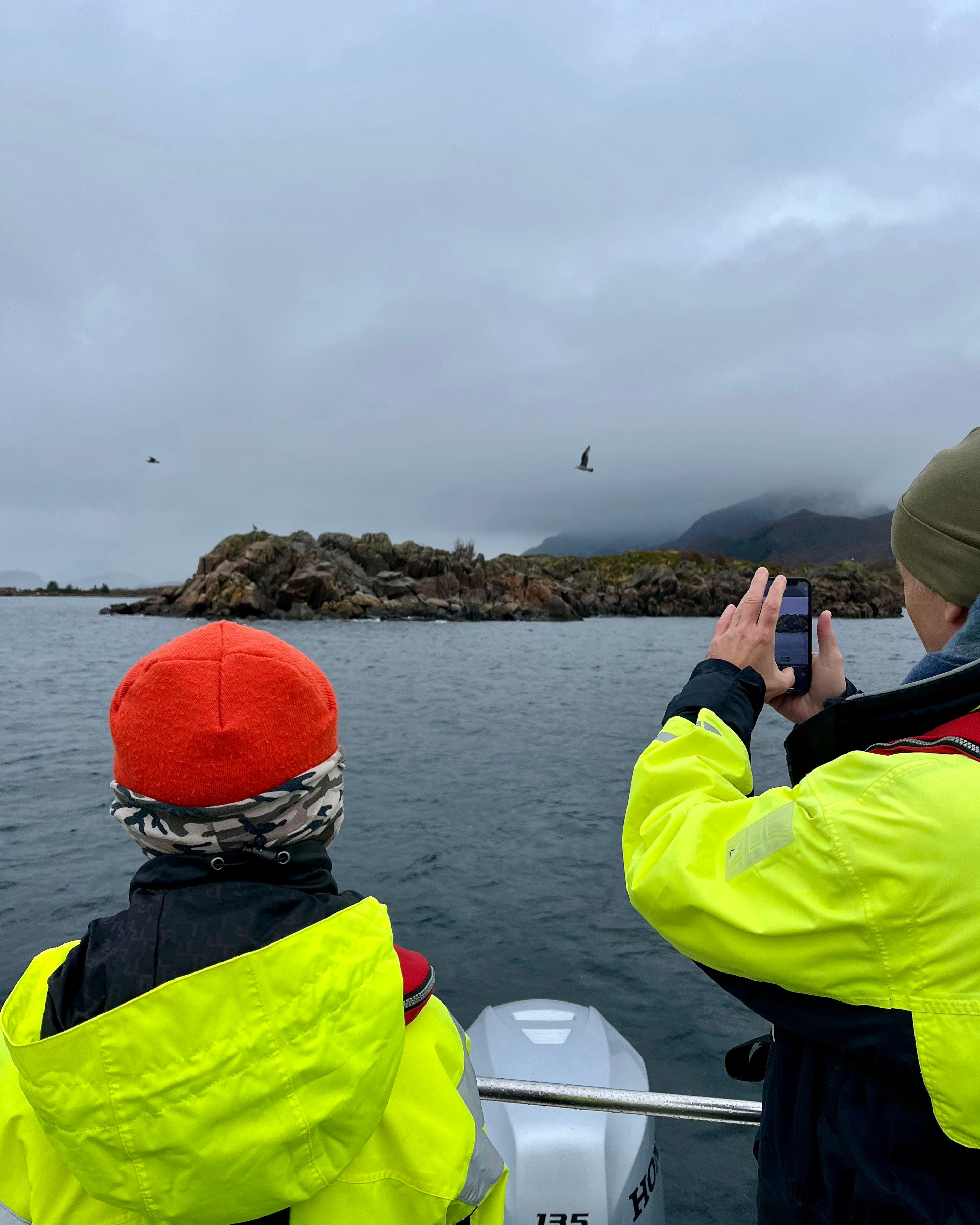
Ammira da vicino le maestose aquile di mare con un tour guidato in Norvegia.
 PrenotaSvolvær
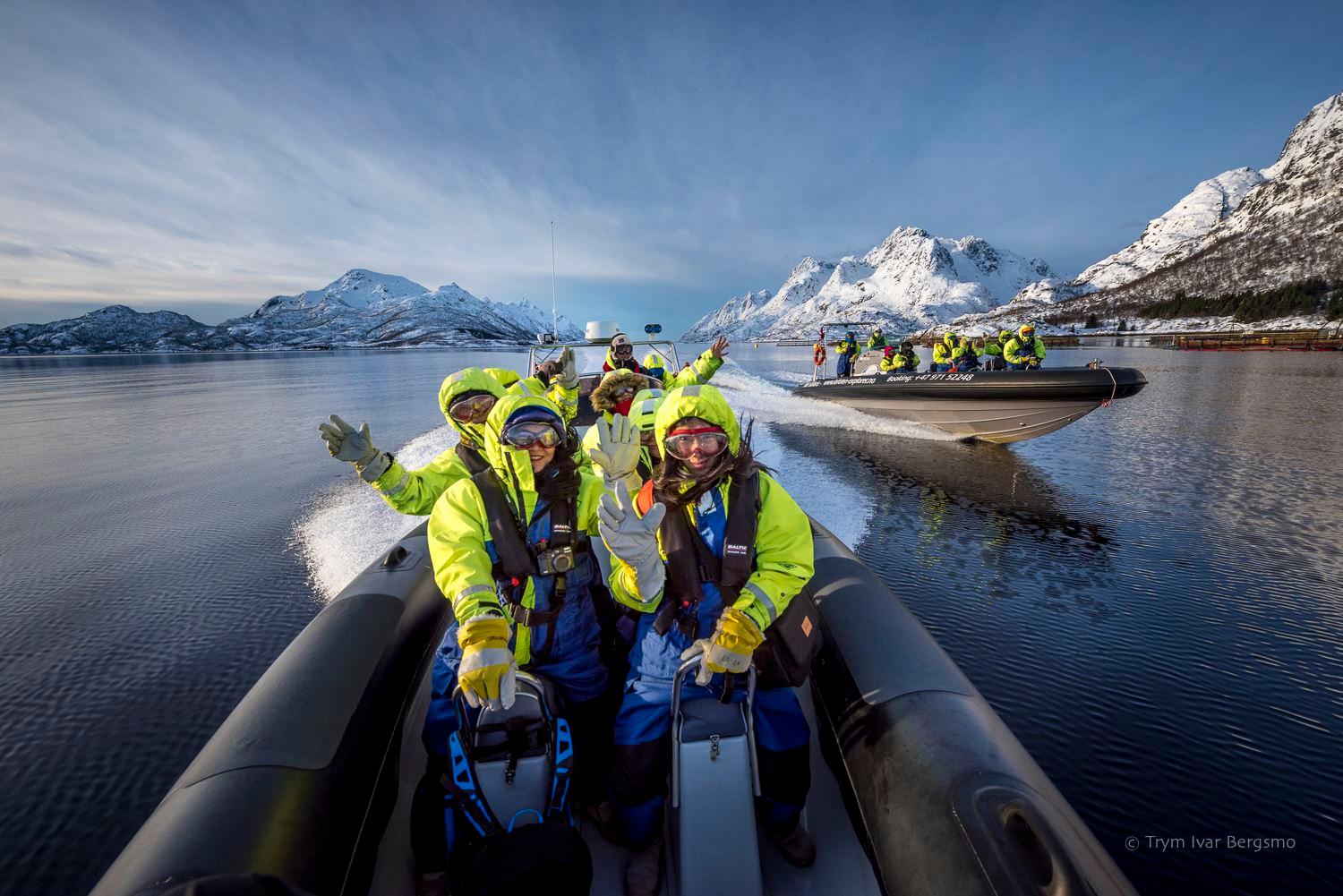
Trollfjord & Sea Eagle RIB Safari - Lofoten Explorer
Explore Lofoten along the coast with us. We take you safely to the magical Trollfjord, where the mountains are stretching 1000 meters high. On the way you will get a chance to meet the sea eagles, hopefully just a few meters from the boat. We guarantee an experience close to the elements. This is a 2 hours tour that fits the whole family.

Approfitta delle migliori offerte
Ecco una selezione di operatori per organizzare al meglio il tuo viaggio.
 Fjord Travel NorwayDormi in un hotel di ghiaccio, vai a caccia dell’aurora boreale e scopri i magici fiordi. Prenota ora il tuo tour!
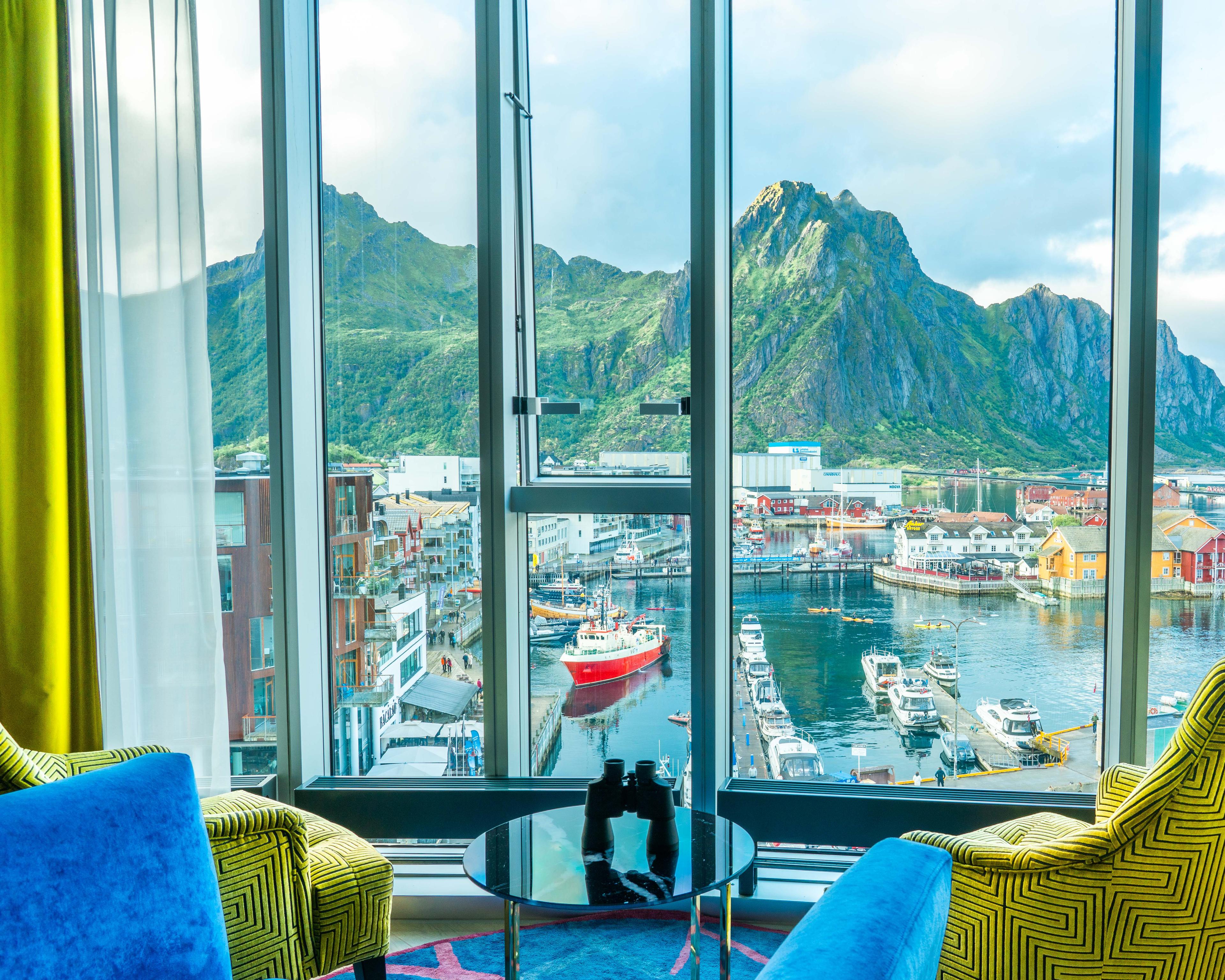 Thon Hotels ASFantastica colazione inclusa! Prova il vero comfort e le tariffe convenienti nei nostri 80 hotel in Norvegia.
 Norrøna AdventurePreparati a spedizioni e viaggi avventura con Norrøna Adventure. Escursionismo, sci e tour in bicicletta.
 Brim ExplorerTour silenziosi sui fiordi a bordo di premiati catamarani elettrici a Oslo, Tromsø, alle Lofoten e alle Svalbard.
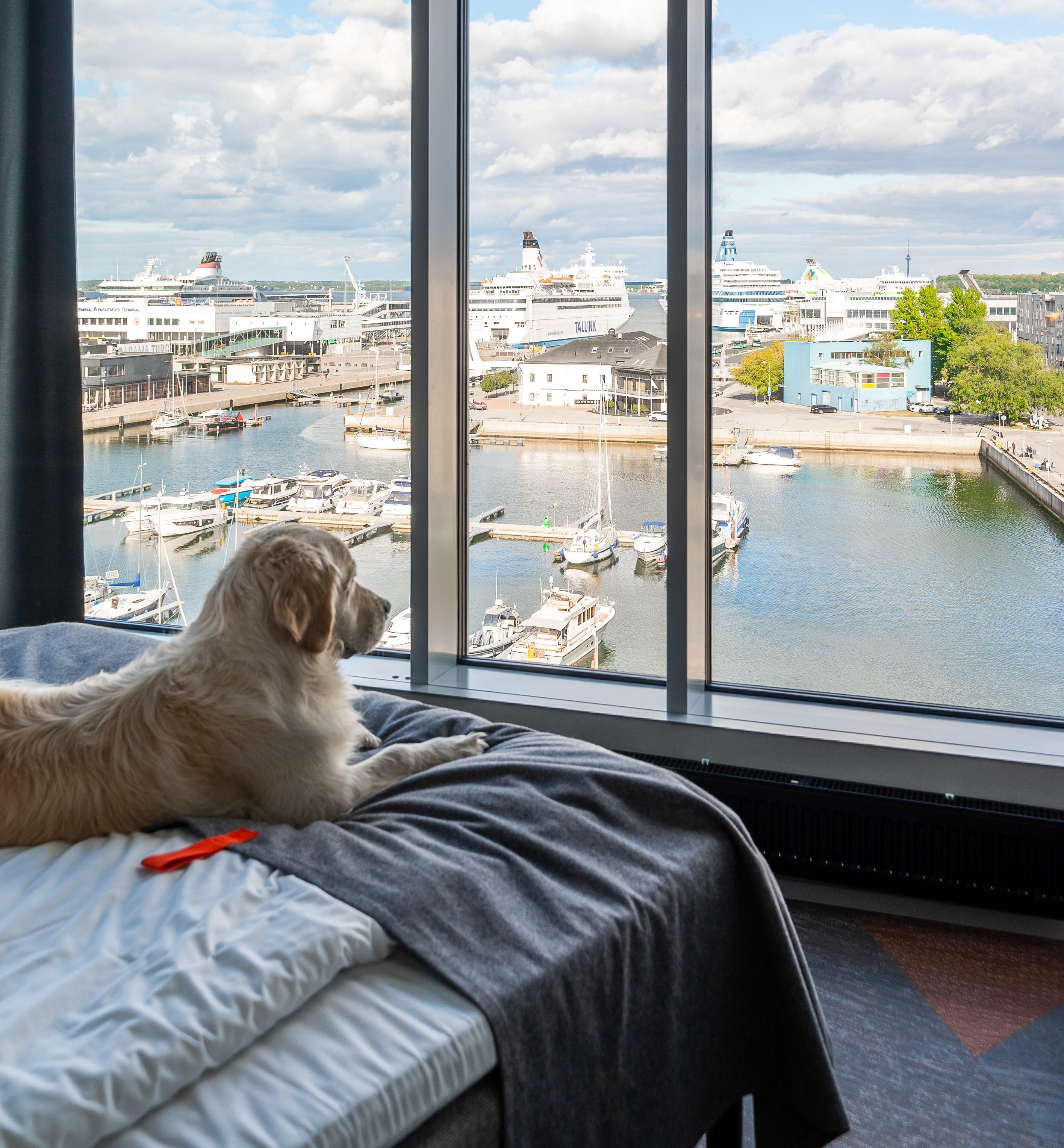 CityboxHotel moderni e convenienti in posizione centrale a Oslo, Bergen e Kristiansand.
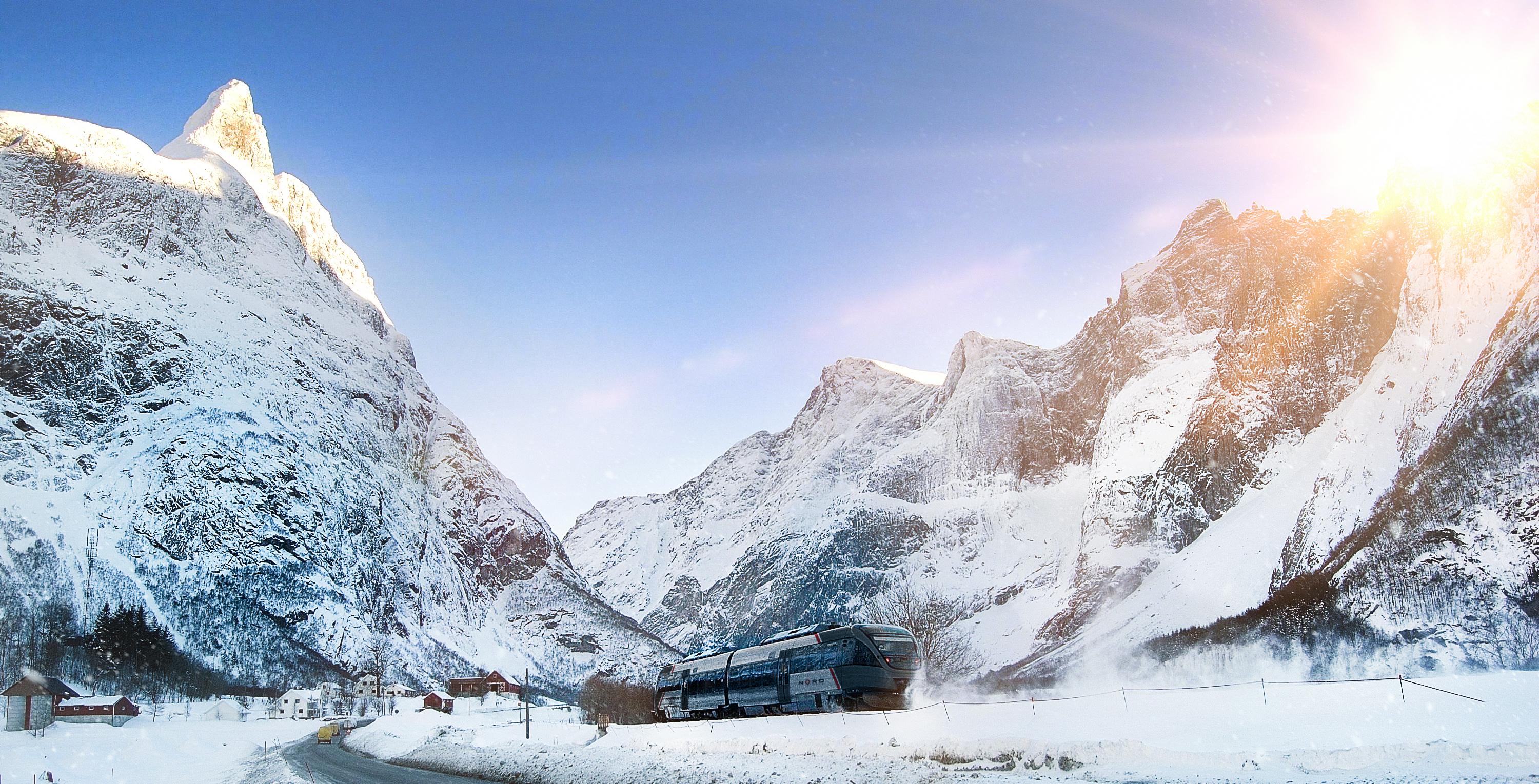 SJ NordSJ NORD – l’avventura inizia sul treno
 Auto EuropeUn’esperienza sempre piacevole di noleggio auto. Cerca e confronta le tariffe di noleggio. Cancellazione gratuita fino a 24 ore prima del ritiro.
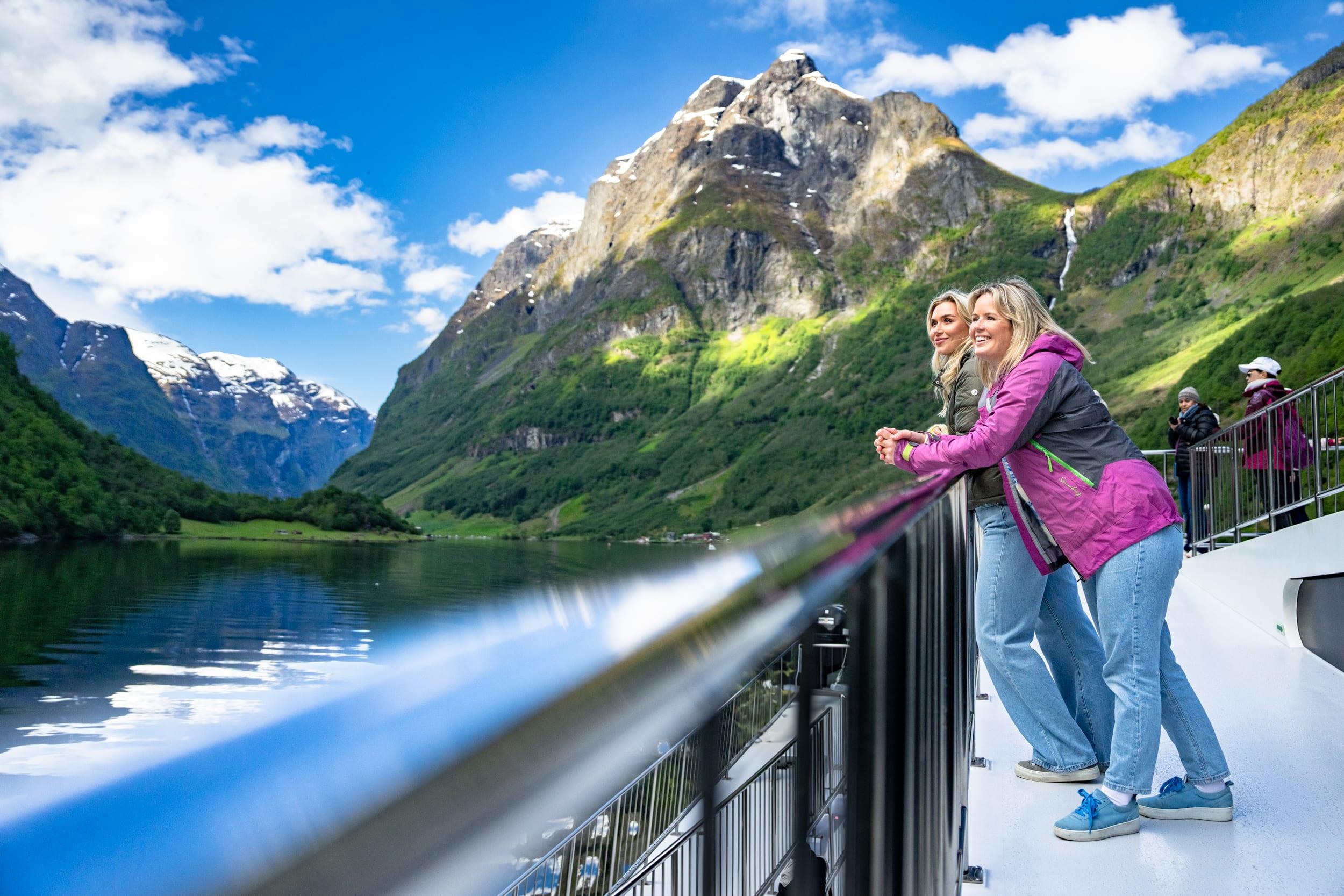 Fjord ToursAbbiamo creato Norway in a Nutshell, il tour più popolare della Norvegia. Fiordi, montagne e mete spettacolari — tutto in un solo viaggio!
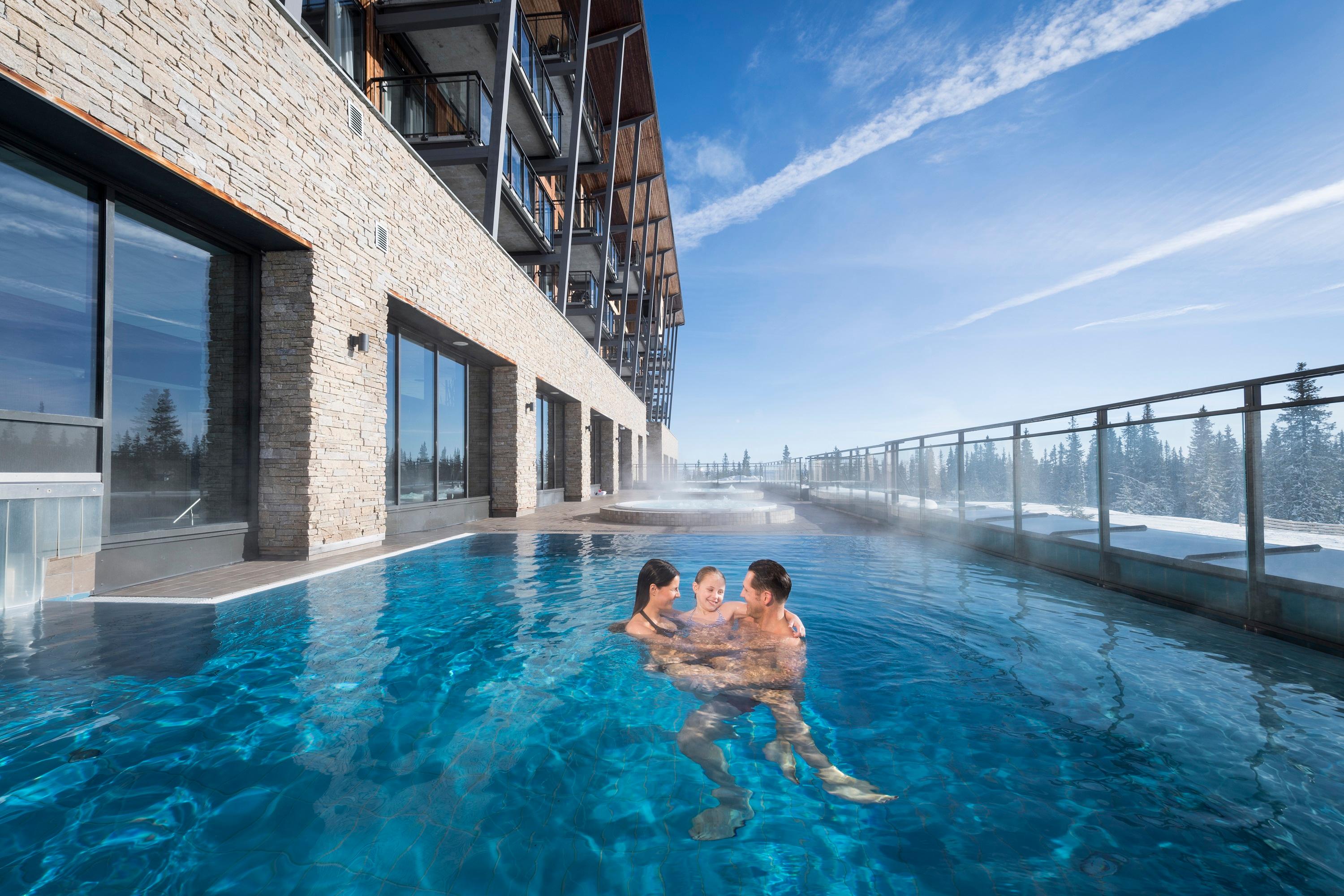 Radisson HotelsOfferte molto convenienti e pernottamento confortevole e di qualità nelle principali città, aeroporti e località sciistiche della Norvegia.
 Booknordics.comPacchetti vacanze unici, hotel avventura, tour e attività.
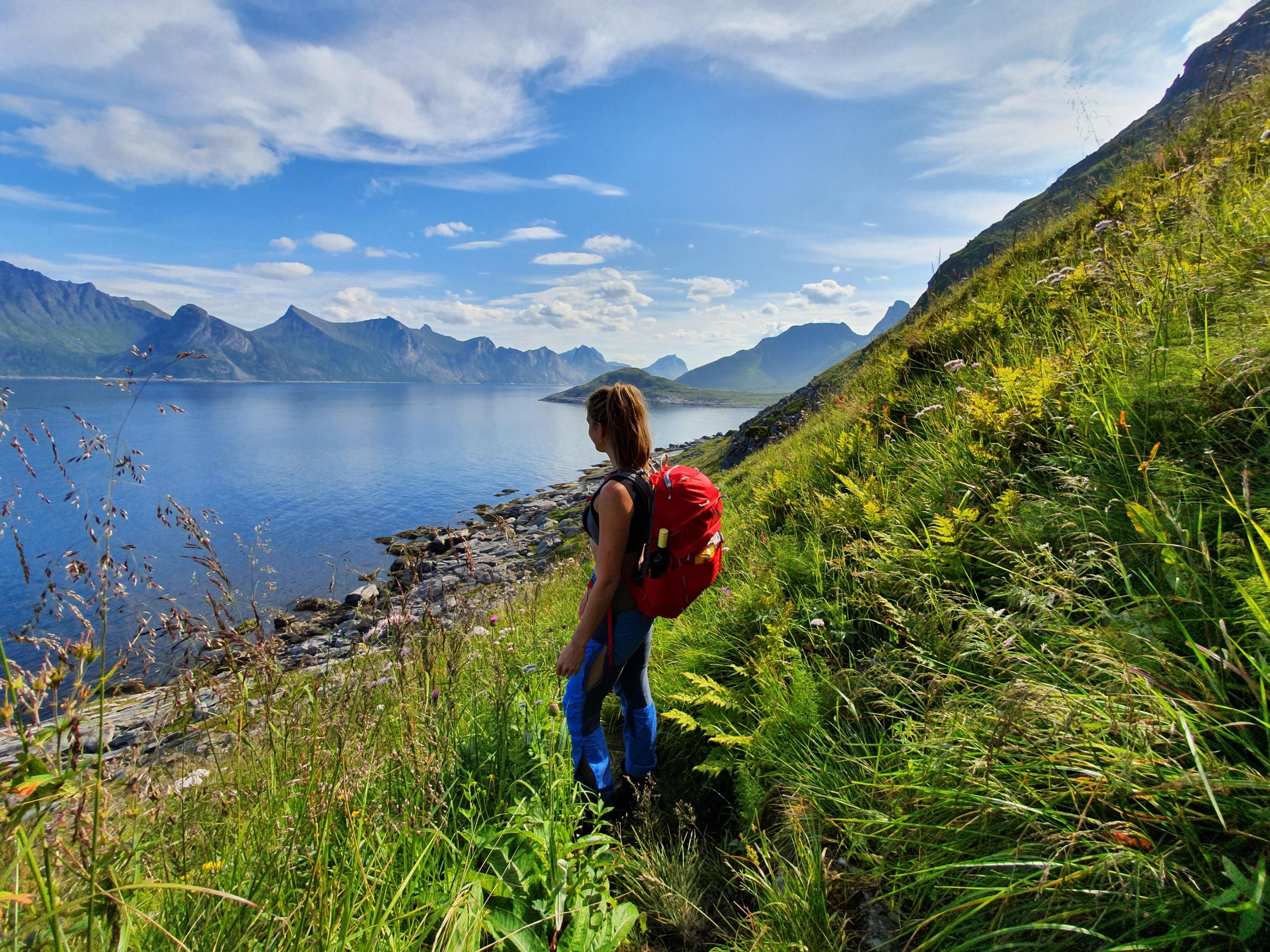 CampioIl maggior sito di prenotazione campeggi della Norvegia. Trova i migliori campeggi e piazzole per camper in tutta la Norvegia.
 Vy expressScopri la Norvegia a bordo di confortevoli pullman express che ti portano nelle maggiori città, sulle montagne e nei fiordi.
 Rent-A-Wreck of Scandinavia ASL’alternativa intelligente e vantaggiosa per il noleggio auto.
 Authentic ScandinaviaViaggi curati da persone del posto. I nostri tour su misura soddisfano ogni tipo di viaggiatore e ogni budget.
 NorgesbookingBoka en perfekt stuga bland Norges fjordar, fjäll och dalar.
 Arctic Campers ASVuoi provare la vita da camperista? Esplora la Norvegia comodamente e con stile con i nostri camper funzionali e accoglienti.
 StrawberryUna compagnia alberghiera diversa! Cerca le nostre fantastiche offerte per il weekend in oltre 100 hotel in Norvegia.
 NorwegianNorwegian offre voli economici in Norvegia e voli diretti da più di 70 aeroporti europei. Prenota i voli per la tua destinazione tramite il nostro calendario con le migliori offerte.
 Norwegian HolidaysPacchetti vacanze a prezzi convenienti con Norwegian. Prenota voli, hotel e noleggio auto tutto nello stesso posto.
 De HistoriskeVivi un soggiorno indimenticabile in uno degli hotel storici, unici e autentici, della Norvegia. Goditi esperienze culinarie di qualità e un’ampia scelta di attività.
 NOR-WAY BussekspressAmmira gli splendidi panorami con un comodo viaggio in pullman verso i fiordi e da una città all’altra sui nostri pullman express.
 CampcationDormi in un hotel di ghiaccio, vai a caccia dell’aurora boreale e scopri i magici fiordi. Prenota ora il tuo tour!
 StrömmaSightseeing in pullman e battello in numerose delle principali località turistiche e città della Norvegia.
 Go FjordsPrenota tour ed esperienze fantastiche! Offriamo tour a Oslo, Bergen, Stavanger, Lofoten, Capo Nord e altre località.
 Benzini CampersL’avventura della tua vita inizia qui. Prenota adesso un camper van con Benzini Campers.
 My Nordic TravelScegli tra itinerari fai da te e pacchetti vacanze nelle destinazioni più belle della Norvegia.
 Up NorwayLusso su misura scelto personalmente da esperti del luogo. Uniamo le tue preferenze e la nostra conoscenza per creare un viaggio indimenticabile.
 Vy TrainScivola in treno attraverso i paesaggi tra Oslo e Bergen sulla Ferrovia di Bergen e vai alla scoperta della vasta regione intorno a Oslo.
 Scandic HotelsSperimenta il meglio dell’ospitalità degli hotel nordici in più di 90 hotel in tutta la Norvegia. Sono disponibili offerte speciali.
 HurtigrutenVivi l’esperienza del viaggio per mare più bello del mondo con una indimenticabile crociera lungo la stupenda costa della Norvegia.
 Discover NorwayOffre un’ampia gamma di vacanze entusiasmanti con tour indipendenti di escursionismo, bicicletta e sci in Norvegia. Incluso il trasporto del bagaglio.
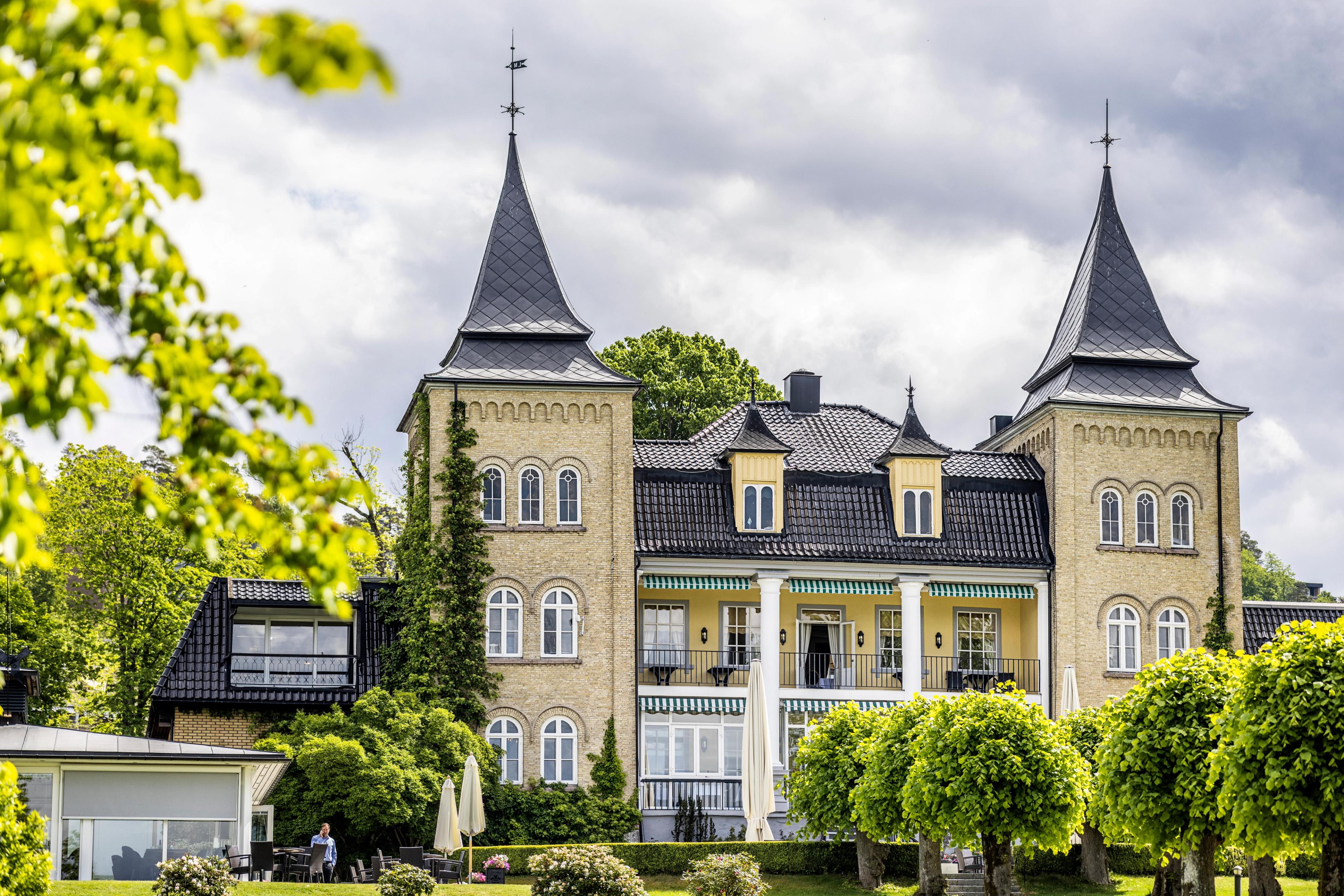 Classic Norway HotelsQuando la destinazione è l’hotel. Prenota una notte da ricordare in uno degli hotel più unici e caratteristici della Norvegia.
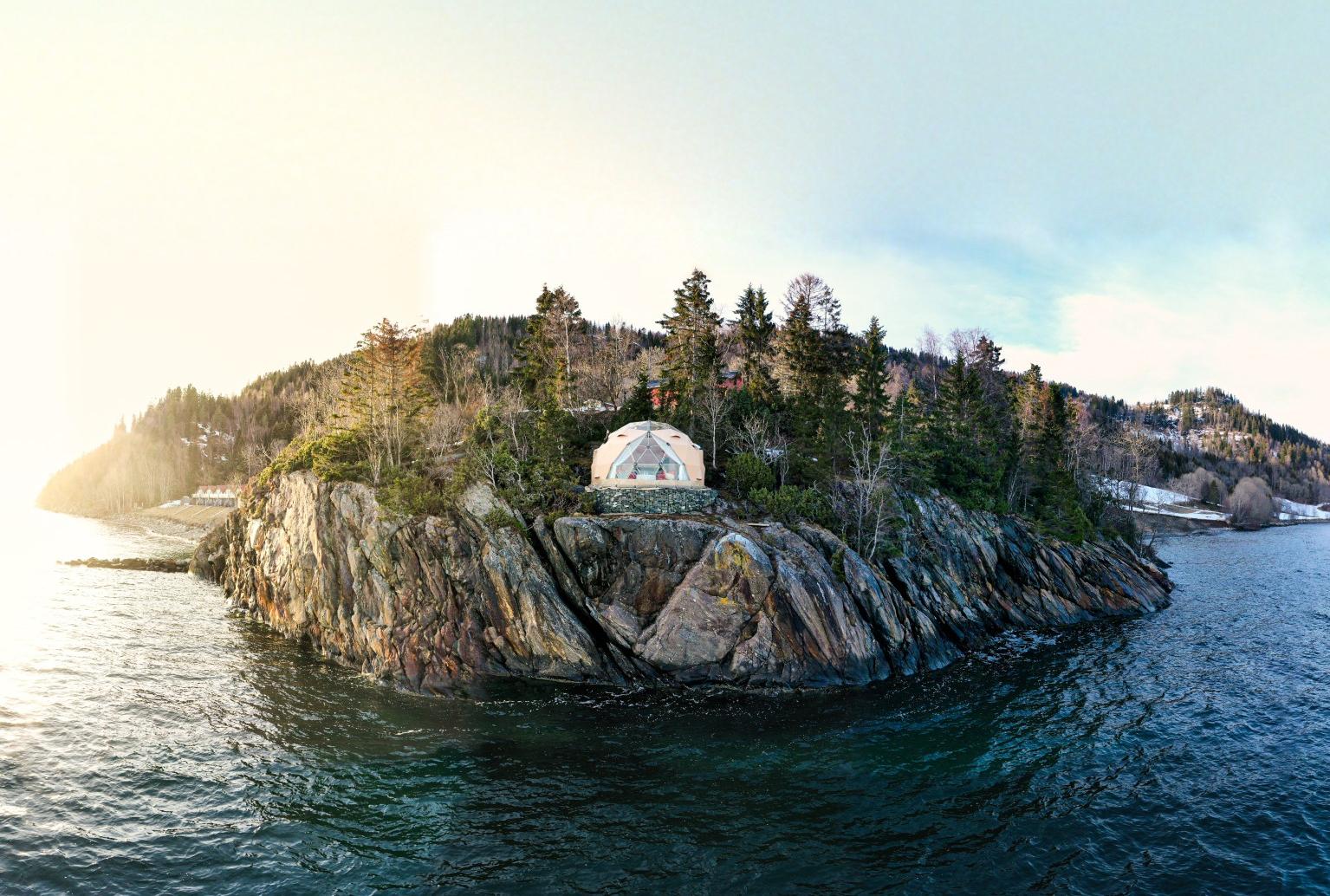 CampanyonCampeggi unici nella natura. Prenota il pernottamento in una casa sugli alberi o in una tenda glamping o affitta una piazzola per camper.
 50 Degrees North NordicScegli tra indimenticabili viaggi individuali su misura e tour esclusivi per piccoli gruppi in Norvegia.