Skien
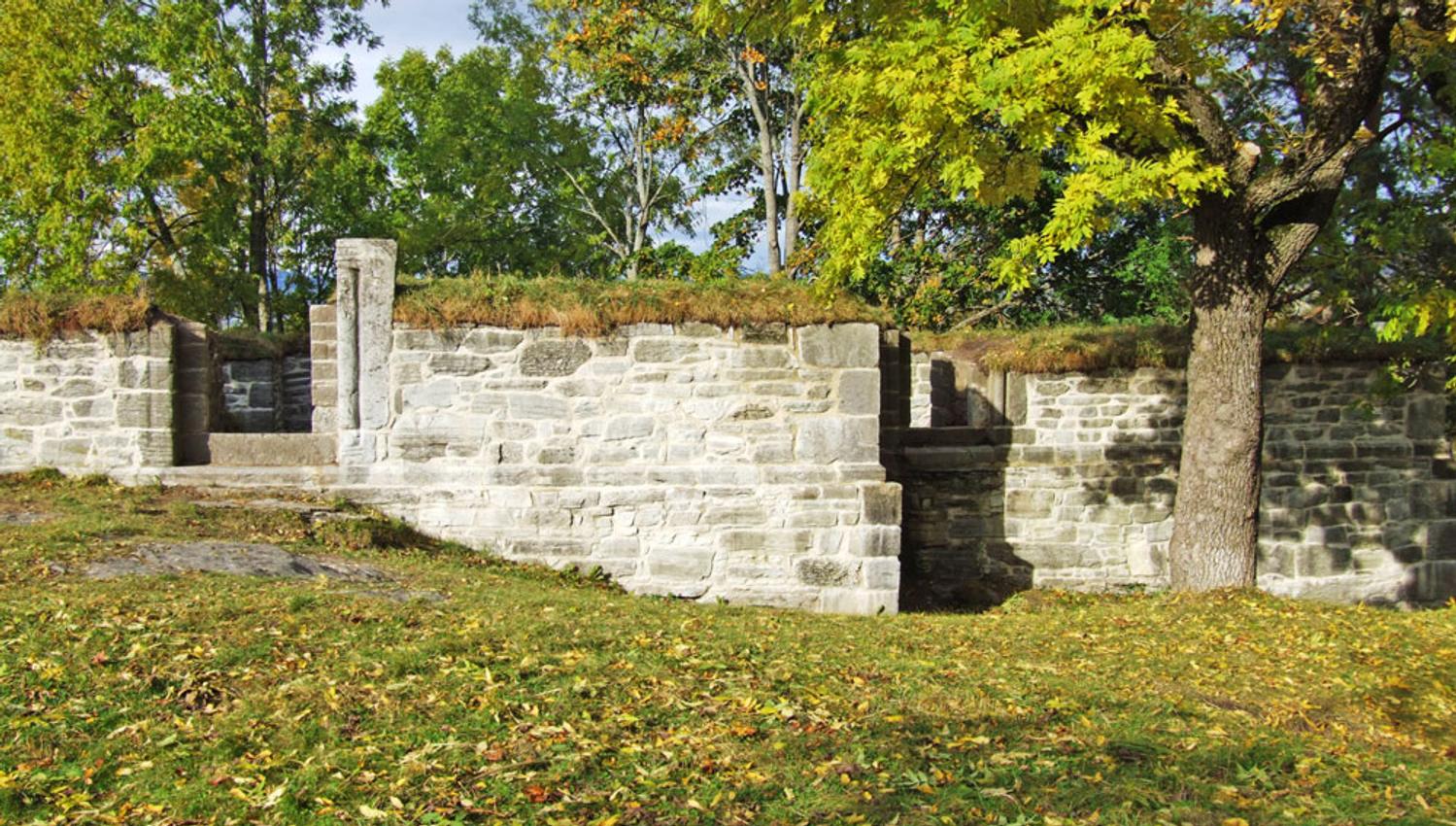
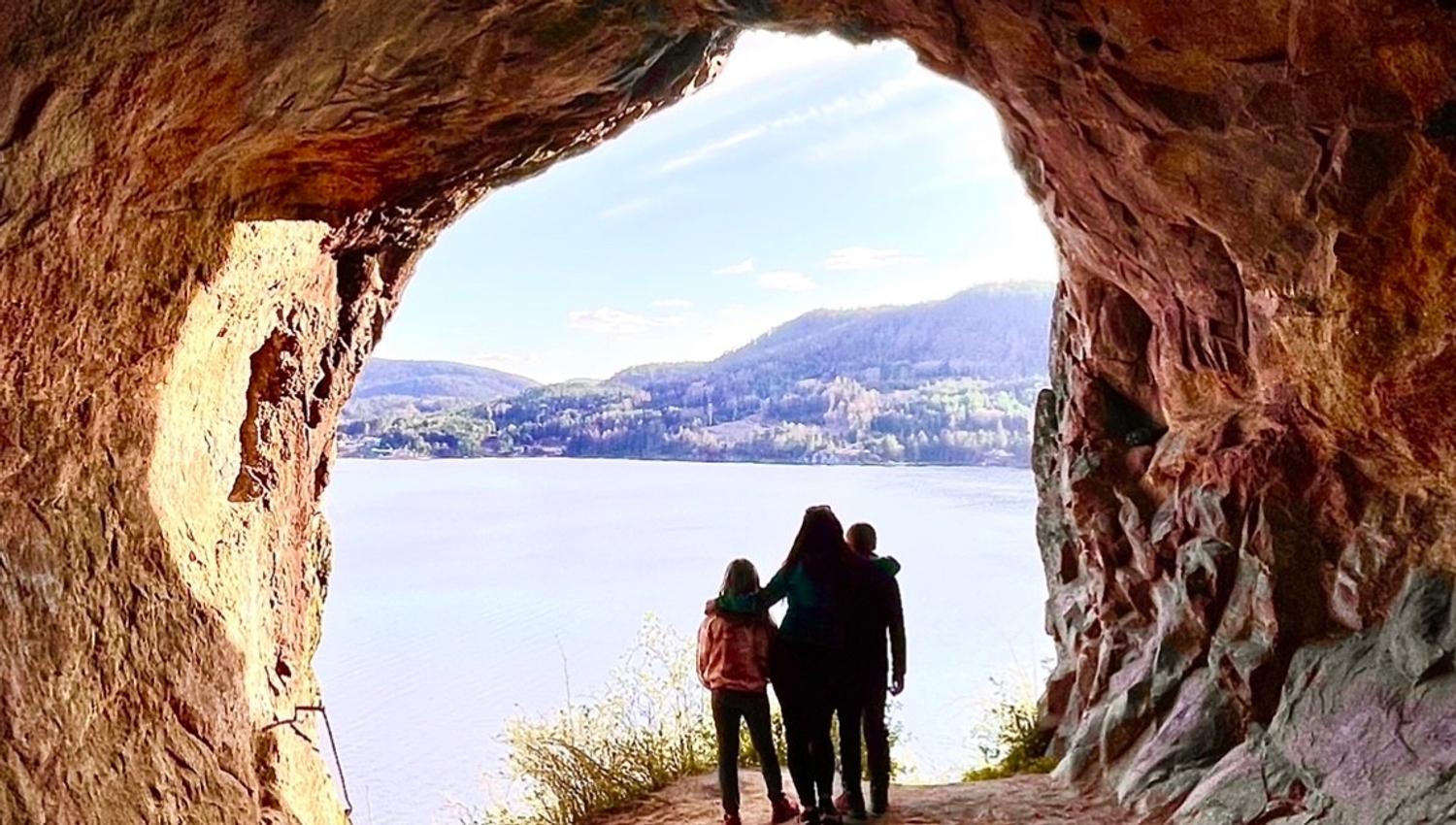
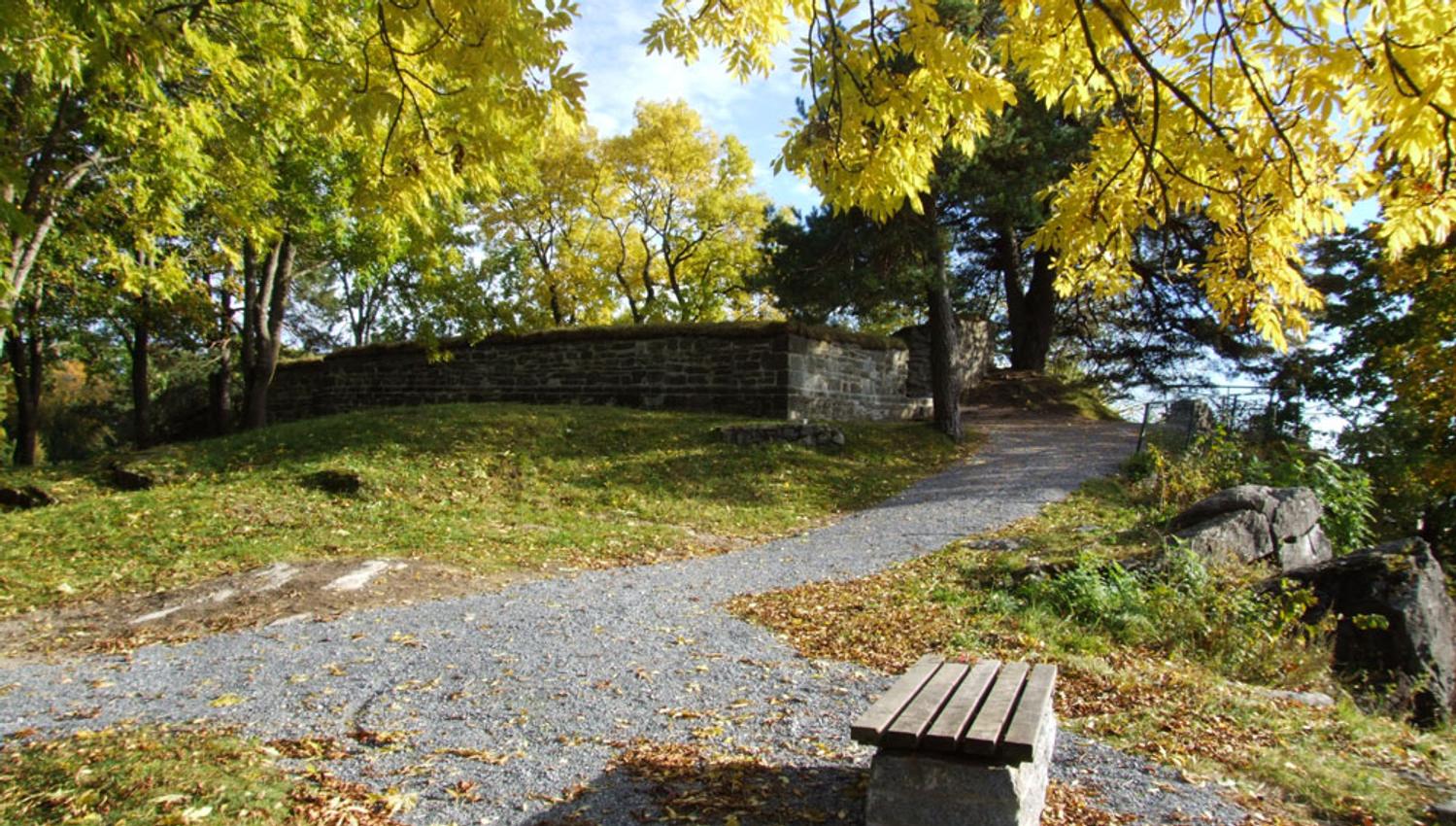
Discover Skien's unique geology! 1.5-billion-year-old bedrock, 450-million-year coral reefs, volcanic lava, and Norway's oldest iron mines.
The municipality of Skien possesses an extraordinarily rich geological diversity. A journey across the Skien and Gjerpen valley takes you on a voyage through 1,500 million years of Earth's history.
As part of the Gea Norvegica UNESCO Global Geopark, Skien illustrates how tectonic plate movements, volcanic activity, ancient tropical oceans, and ice ages have shaped the landscape, soil quality, and local human industry.
1. Ancient Pre-Cambrian Bedrock (West and Northwest)
To the west and northwest of the city center lies the ancient bedrock. These rocks are over 1,000 million years old, bearing clear evidence of mountain-building events (orogenies) that occurred more than 1,500 million years ago.
2. The Gjerpen Valley: Tropical Seas and Coral Reefs (Approx. 450 Million Years Ago)
The Gjerpen valley features a unique combination of fertile marine clay resting upon a limestone foundation.
- South of the Equator: Around 450 million years ago, the continental plate bearing Norway was located south of the equator, submerged beneath a warm, tropical sea.
- Fossils and Limestone: Abundant marine life with calcium shells accumulated layer by layer, forming the limestone ridges that stretch north-south through the valley today.
- Built on a Coral Reef: The historic crypt church at Kapitelberget in Skien was built directly on top of the remains of a fossilized coral reef from this tropical era.
3. Volcanic Basalt and Fertile Vegetation (Approx. 300 Million Years Ago)
To the east of the valley lies basalt—solidified lava from volcanic eruptions that occurred approximately 300 million years ago during the formation of the Oslo Rift.
- Basalt weathering creates exceptionally nutrient-rich soil.
- This supports lush deciduous forests that stand out distinctly in the landscape.
4. Ice Age Clay and Rich Farmland (Approx. 13,000 Years Ago)
When the massive ice sheet covering Scandinavia melted about 13,000 years ago, seawater inundated the depressed landmass, creating an Arctic fjord. Marine clays were deposited, which—together with the limestone and basalt—formed the highly fertile agricultural soil of the Gjerpen valley today.
5. Norway’s Oldest Iron Mines at Fossum
This rich geological background also laid the foundation for early industrial history in Norway:
- The Fossum Mines: Located at Fossum are what are believed to be Norway's oldest iron mines.
- Fossum Ironworks: Starting in the 1620s, industrial operations flourished at Fossum Ironworks, utilizing iron ore extracted from these historic mines.
Fonte: Visit Grenland