Hauge I Dalane
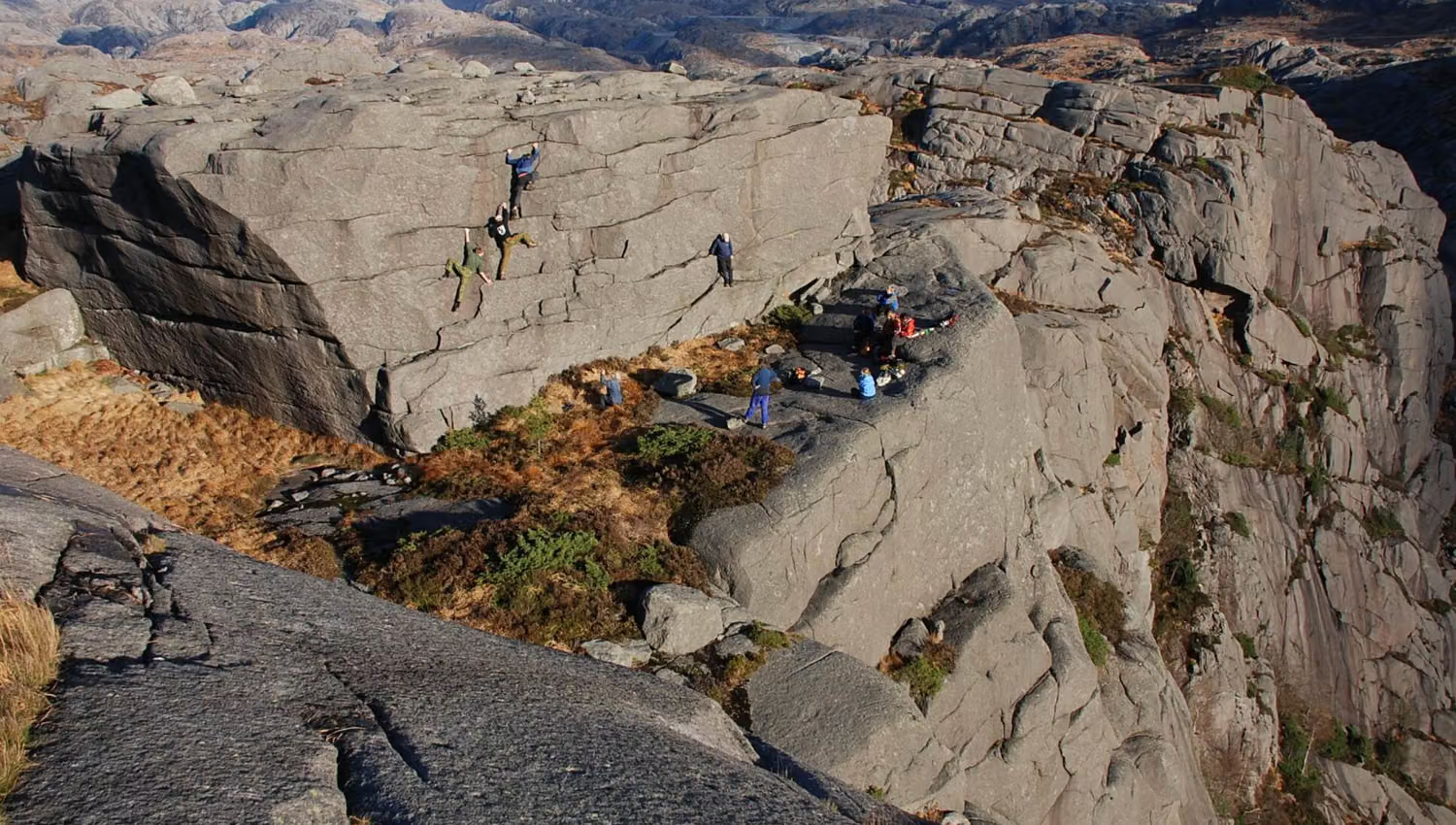
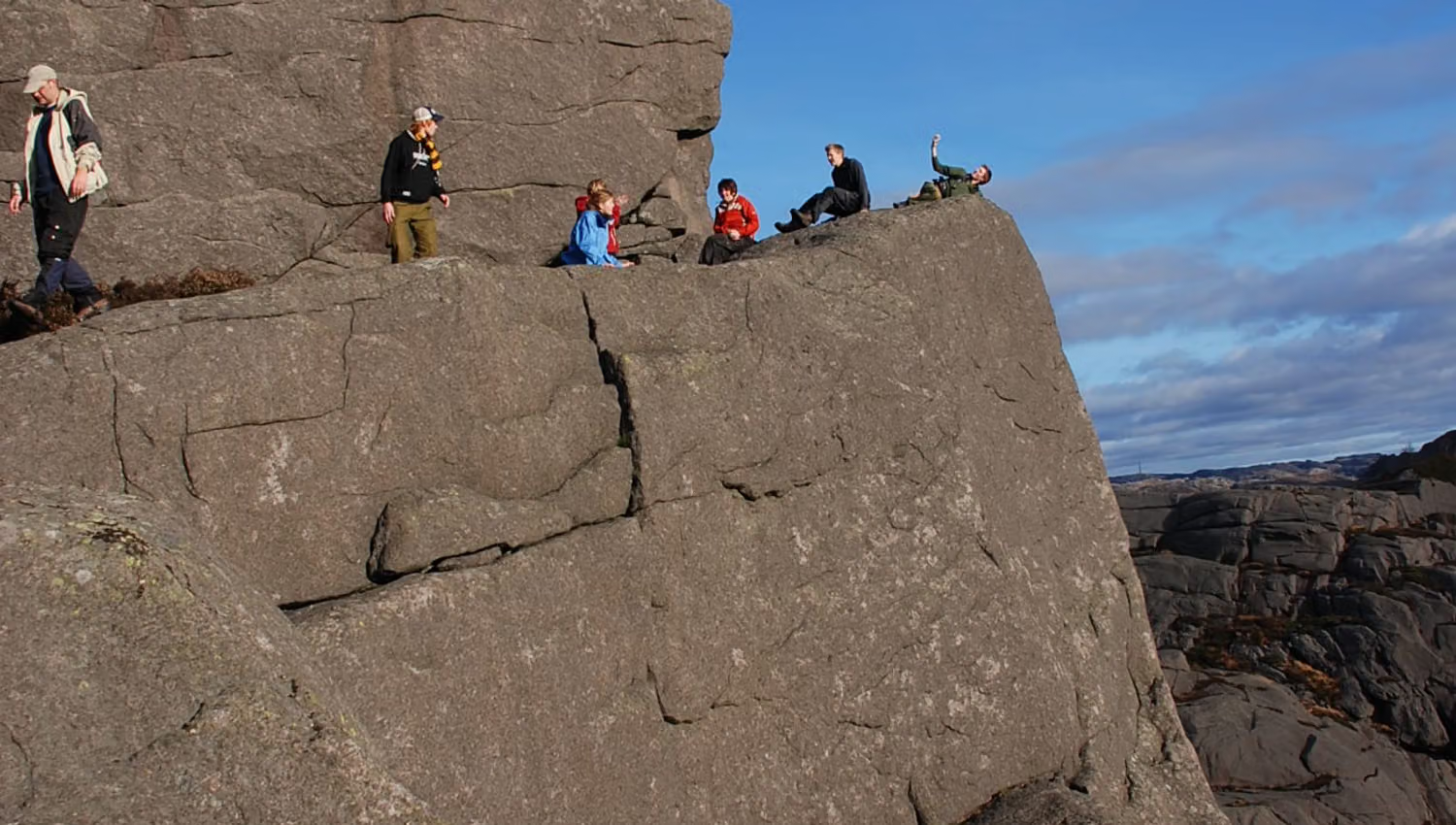
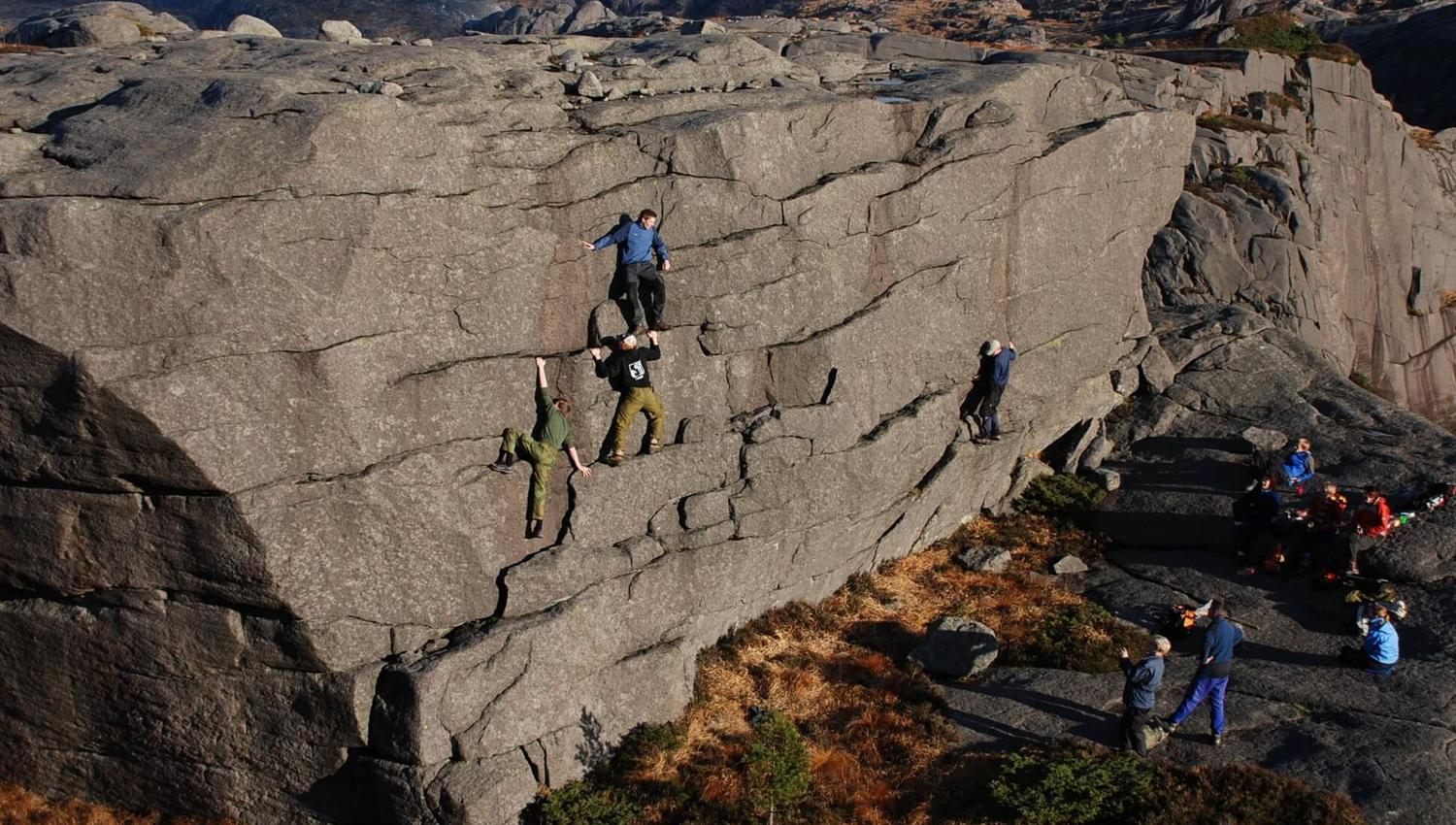
In Magma UNESCO Global Geopark, you can find the same type of rock as on the surface of the Moon. Known as an anorthosite, it was formed around 1,000 million years ago.
All UNESCO Global Geoparks in Europe feature geology that is unique on a European scale, and Magma Geopark is no exception.
A landscape shaped by ice
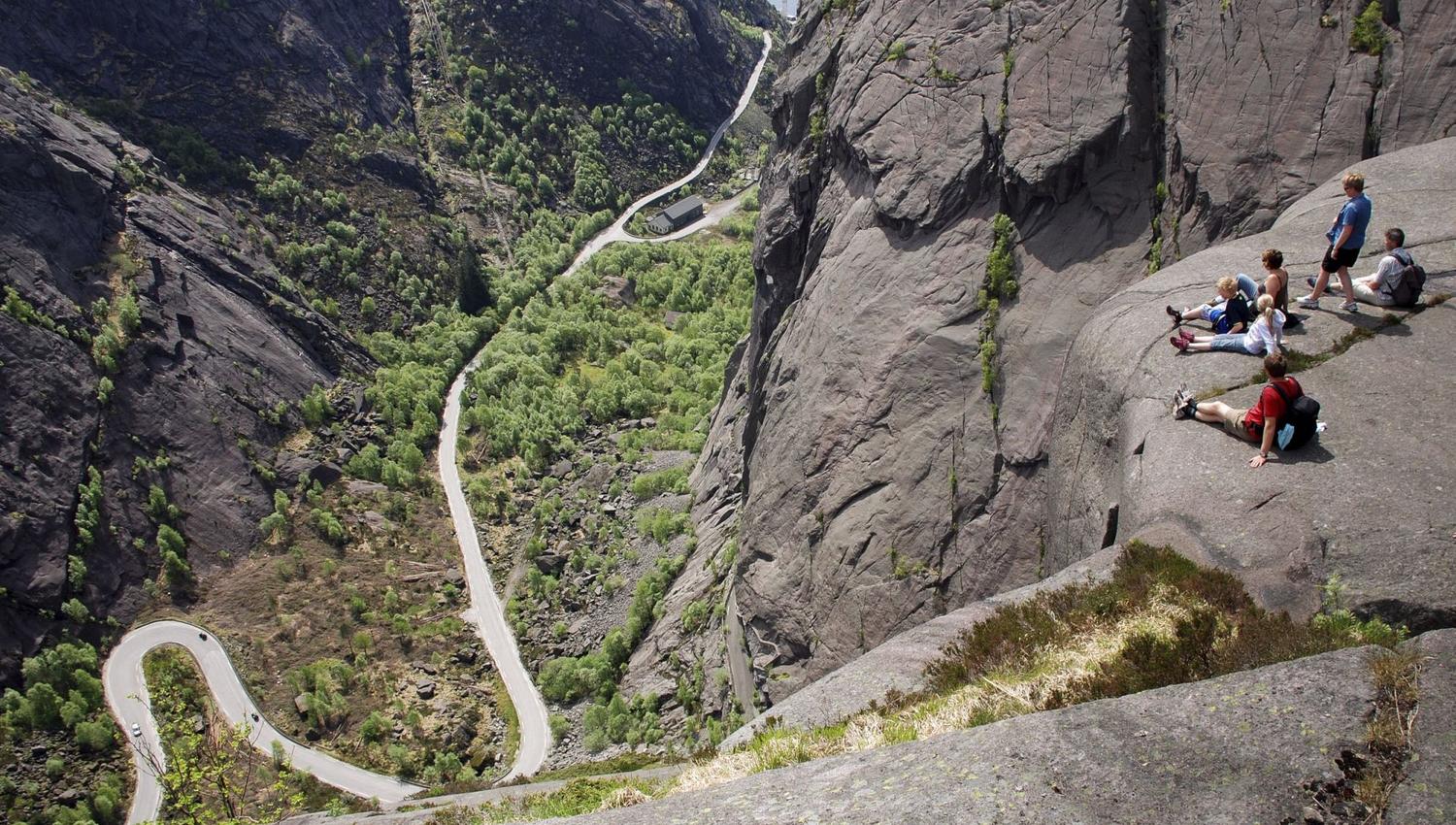
The hike from Jøssingfjord to Hellersheia takes you to around 300 metres above sea level. From the top, you can enjoy beautiful views of Jøssingfjord and out towards the sea. The spectacular anorthosite landscape bears clear traces of the Ice Age, with rugged mountains, small lakes and large boulders scattered across the plateau. These boulders were carried by the glacier that once covered the area and left behind when the ice melted.
On the plateau, you can also find circular potholes in the rock. They were formed when stones, set in motion by flowing water, gradually ground their way into the bedrock during the last Ice Age, around 10,000–20,000 years ago.
Look for traces along the trail
Along the trail at Hellersheia, you can see almost horizontal scratches in the rock. These are glacial striations – another visible reminder of the immense forces that shaped the landscape during the last Ice Age.
On the way down through Hellersdalen, the trail passes partly through and alongside an impressive scree slope formed after the ice retreated.
A challenging hike in steep terrain
Hellersheia is a challenging mountain hike with steep and some exposed sections. Check the weather and trail conditions before setting out, wear sturdy footwear and follow the trail markings. Bring a map or a downloaded route and keep well away from exposed edges. Avoid hiking in poor visibility or when the ground is wet and slippery.
Read also: Stay safe in the mountains, What to pack for a mountain hike and The Fjord Pledge.
Fonte: Region Stavanger